If you work in Longwood, your home base can make or break your week. Early rounds, late shifts, and unpredictable schedules all raise the stakes when you are choosing where to live. If you are considering a condo in Fenway, this guide will help you understand the commute, the housing mix, the price ranges, and the real tradeoffs so you can decide with confidence. Let’s dive in.
Why Fenway works for Longwood
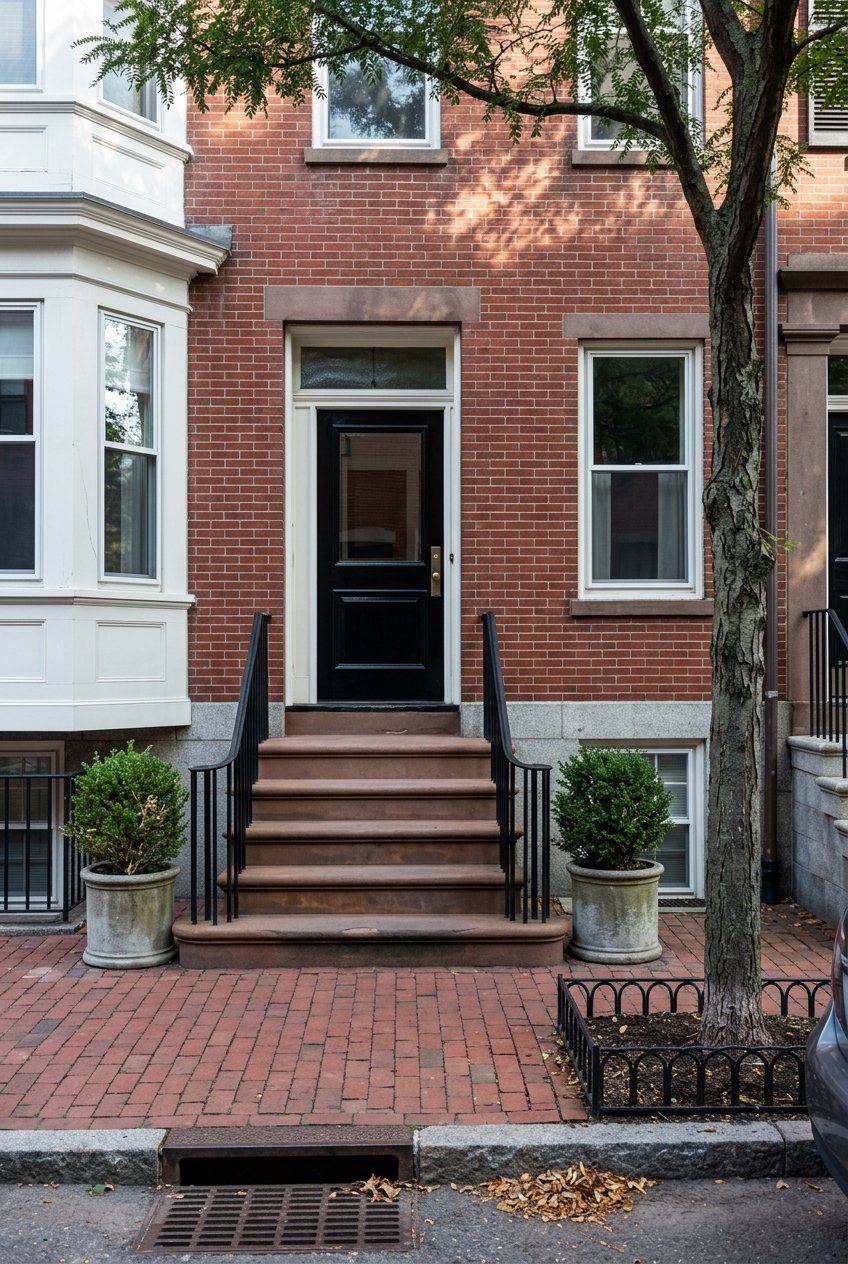
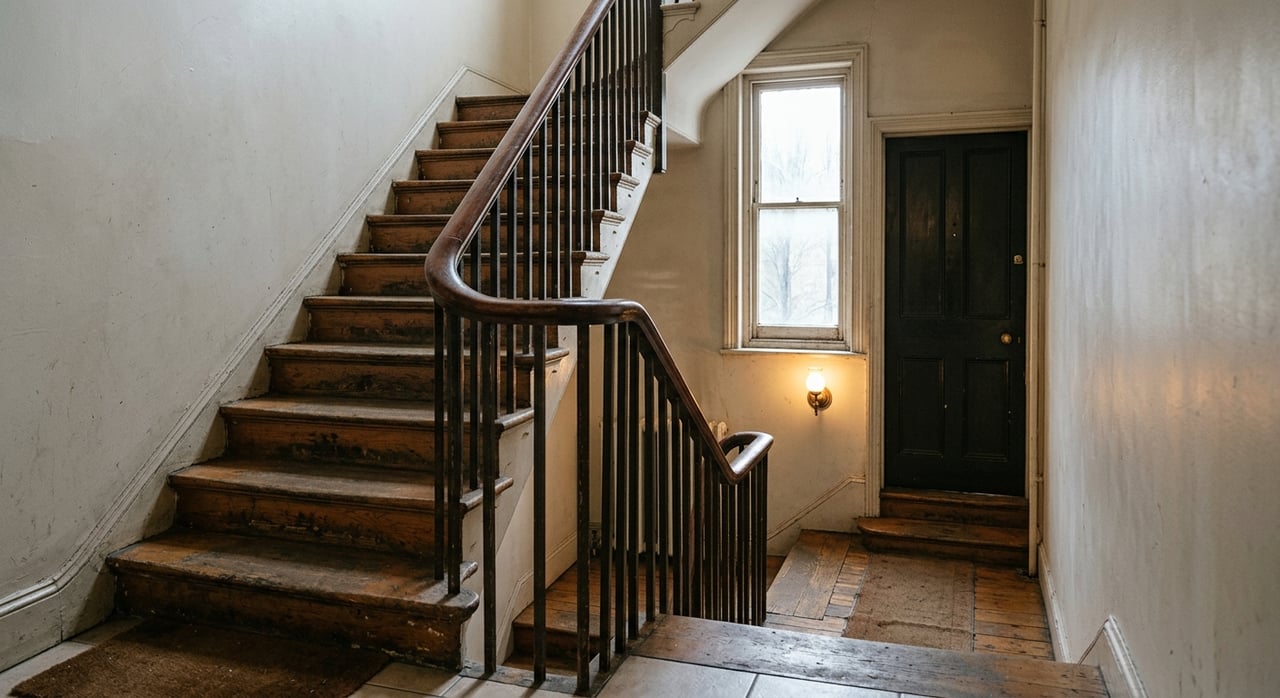
Fenway sits in a practical sweet spot for many Longwood medical professionals. Boston Plans describes the neighborhood as a residential and commercial hub with a mix of housing types, including classic brick row houses and newer condominium towers near Fenway Park. That variety gives you more than one path into the market, whether you want a compact first home or a more amenity-rich condo.
The Longwood Medical and Academic Area is one of Boston’s biggest job centers, with 73,000 workers, 24,000 students, and 3.8 million patient visits annually. That level of activity helps explain why nearby housing stays in demand. If you want to live close to work without giving up an urban neighborhood feel, Fenway stands out.
Longwood’s commuting pattern also supports the case for living nearby. According to the Longwood Collective, 112,000 people come into the area each day, and 48% use public transportation, 10% walk, 4% bike, and 4% carpool. For you, that means Fenway can be a strong option if you want a car-light lifestyle built around transit, walking, or a combination of both.
Commute options from Fenway to Longwood
For many buyers in this niche, commute reliability matters almost as much as the condo itself. Dana-Farber’s public transportation guide points to several relevant connections for the Longwood area, including the Green Line D branch at Longwood, the Green Line E branch at Longwood Medical Area, the Orange Line at Ruggles, and MBTA bus routes #8, #39, #47, #60, #65, CT2, and CT3. That gives you several ways to approach your workday depending on where your building is and where you need to report.
Longwood Collective also operates nine shuttle routes, including a Fenway route that connects the LMA, satellite Fenway parking lots, and Lansdowne MBTA Station. For eligible employees and students at member institutions, that can be a helpful layer of convenience. Real-time tracking is available through Passio Go, which can make timing your trip a little easier.
There is an important limitation, though. These shuttles are not public transit, and access is limited to employees and students of Longwood Collective member institutions with a valid ID. Most service runs Monday through Friday from 5:05 a.m. to 12:30 a.m., with limited Saturday M2 service and no other weekend service, so you should not assume shuttle coverage for weekend or overnight schedules.
What this means for shift workers
If your hours change often, Fenway can still work well, but you will want to test your likely route before you buy. A building that looks close on a map may feel very different at 5:30 a.m., after a late shift, or on a weekend when shuttle service is not available. That is especially true if you expect to rely on one specific line or route.
In practical terms, the best-fit condo is often the one that gives you more than one commute option. A straightforward walk to transit, a reasonable rideshare pickup point, and access to institution-based shuttles if you qualify can all matter. For busy medical professionals, flexibility is part of convenience.
Condo types and price ranges in Fenway
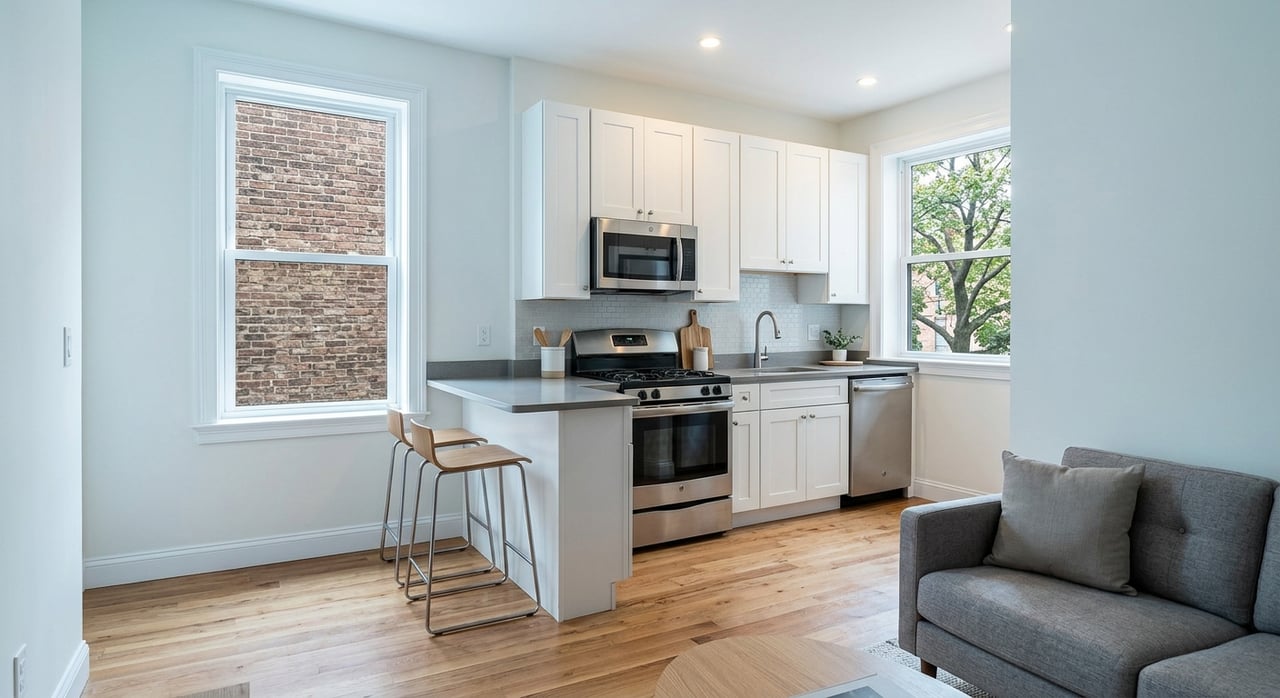
Fenway’s condo market offers more range than many buyers expect. Boston Plans notes that the neighborhood includes both older brick housing stock and newer towers, and current condo inventory reflects that same split. You may see everything from smaller units in established buildings to more polished, higher-priced homes in newer developments.
Current Redfin inventory for Fenway and Kenmore Square lists 70 condos for sale with a median listing price of $789K. Active listings include 0-bedroom units around $399K to $499K, 1-bedroom units from roughly $505K to $1.2M, 2-bedroom units from about $699K to $3.25M, and a 3-bedroom listing at $950K. That is a wide spread, and it shows why a condo search here needs a clear strategy.
For buyers, the biggest takeaway is that Fenway is not a one-price neighborhood. You can find smaller entry points, mid-range options, and luxury inventory, often within a relatively compact area. That can be a real advantage if you are comparing your budget against proximity to Longwood.
What layouts are most common
The current inventory skews toward studios or 0-bedroom units, 1-bedroom condos, and 2-bedroom homes. There are some 3-bedroom units in the mix, but the market appears to be centered on smaller and mid-size layouts. That fits the needs of many professionals who want low-maintenance living close to work.
If you are buying solo, a studio or 1-bedroom may offer the simplest path into the neighborhood. If you need a home office, guest space, or room for a partner on a different schedule, a 2-bedroom may feel much more functional day to day. The right layout is not just about square footage. It is about how your routine actually works.
The real tradeoffs of Fenway condo living
Fenway’s biggest strength is convenience, but convenience comes with some real tradeoffs. You are buying into a central Boston neighborhood with strong access to Longwood, transit connections, and a broad condo mix. At the same time, you are also buying into an area shaped by major events, street closures, and the rhythms of a busy urban setting.
For many Longwood professionals, that tradeoff is worth it. The key is not to ask whether Fenway is lively. It is. The better question is whether a specific building fits your tolerance for noise, traffic, and event-day activity.
Fenway Park impact on daily life
The most visible disruption in Fenway is event-driven. The Red Sox 2026 concert calendar includes Fenway Concert Series dates in June, July, and August, and the team’s special-events information notes that Fenway Park hosts concerts, festivals, non-baseball sports, and other events throughout the year. That means activity around the stadium is not limited to baseball season alone.
Longwood Collective’s Fenway shuttle page adds an important layer of context. Lansdowne Street closes during Red Sox home games and events, and Fenway MID and PM shuttle routes detour starting three hours before an event and continuing until one hour after it ends. Riders are also told to expect heavy traffic and delays.
The practical takeaway is simple. Noise and congestion are likely to peak around game days and summer concerts rather than staying constant all year. If you are sensitive to sound, crowd flow, or street congestion, the building location matters just as much as the neighborhood name.
How to think about building placement
Not every Fenway condo will feel the same on event days. A home closer to Fenway Park and major event corridors may experience more crowd activity, more traffic pressure, and more noticeable noise than a unit farther away. That does not make one location better than another, but it does make your exact address more important.
When you tour condos, try to evaluate more than the unit itself. Pay attention to street exposure, window orientation, nearby pickup and drop-off patterns, and how easy it is to enter or leave the area during busier times. For a buyer with irregular hospital hours, those details can have a real impact on daily life.
Do you need a car in Fenway?
Not necessarily. Longwood commuting data shows that a large share of people traveling into the area use public transportation, and additional commuters walk, bike, or carpool. Between transit access and employer shuttle options for eligible riders, many people can make Fenway work without relying on a car every day.
That said, your answer depends on your schedule and your comfort level. If you work frequent weekends, overnights, or rotating shifts, you may want to map out your non-shuttle commute carefully. Car-light living is possible here, but it works best when your housing choice supports the way you actually move through the week.
How to choose the right Fenway condo
A smart condo search starts with your real routine, not just a saved search filter. If you work in Longwood, think first about the times you leave home, the routes you would realistically take, and how much unpredictability you can tolerate on event days. Then compare that against building location, layout, and budget.
It also helps to rank your priorities before you tour. That can keep you from overpaying for features you do not need or overlooking a building that fits your schedule better. In Fenway, practical fit often matters more than flashy marketing.
A simple checklist for Longwood buyers
- Estimate your most common weekday commute route
- Check whether your institution gives you shuttle access
- Confirm whether your schedule includes weekends or overnights
- Decide if you want a car-light setup or need parking flexibility
- Compare studio, 1-bedroom, and 2-bedroom layouts against your routine
- Pay attention to building location relative to Fenway Park activity
- Evaluate event-day traffic and street access, not just interior finishes
Fenway can be an excellent match for Longwood medical professionals who want access, flexibility, and condo options across a broad price range. The best purchase is usually the one that balances commute ease with building-specific realities like event-day congestion and layout practicality. If you want help narrowing down the right fit in Fenway or elsewhere in central Boston, connect with Urban Circle Realty.
FAQs
Is Fenway a practical neighborhood for Longwood Medical Area workers?
- Yes. Fenway offers strong proximity to Longwood, and Longwood commuting data shows heavy use of public transit, walking, biking, and shuttle options in the area.
What condo sizes are most common in Fenway for buyers near Longwood?
- Current inventory appears to skew toward studios or 0-bedroom units, 1-bedroom condos, and 2-bedroom homes, with fewer 3-bedroom options.
What is the typical condo price range in Fenway?
- Current listings range from about $399K to $499K for 0-bedroom units, roughly $505K to $1.2M for 1-bedrooms, about $699K to $3.25M for 2-bedrooms, and at least one 3-bedroom listing at $950K.
Do Longwood employees need a car if they live in Fenway?
- Not always. Many Longwood commuters use public transportation, and some employees and students at member institutions may also have access to Longwood Collective shuttle service.
How do Fenway Park events affect condo living in Fenway?
- Red Sox games and other events can bring street closures, shuttle detours, heavier traffic, and more noise, especially near Lansdowne Street and areas closer to Fenway Park.
Are Longwood shuttles available for all Fenway residents?
- No. Longwood Collective shuttles are for employees and students of member institutions with a valid ID, and most service runs Monday through Friday with limited Saturday M2 service only.