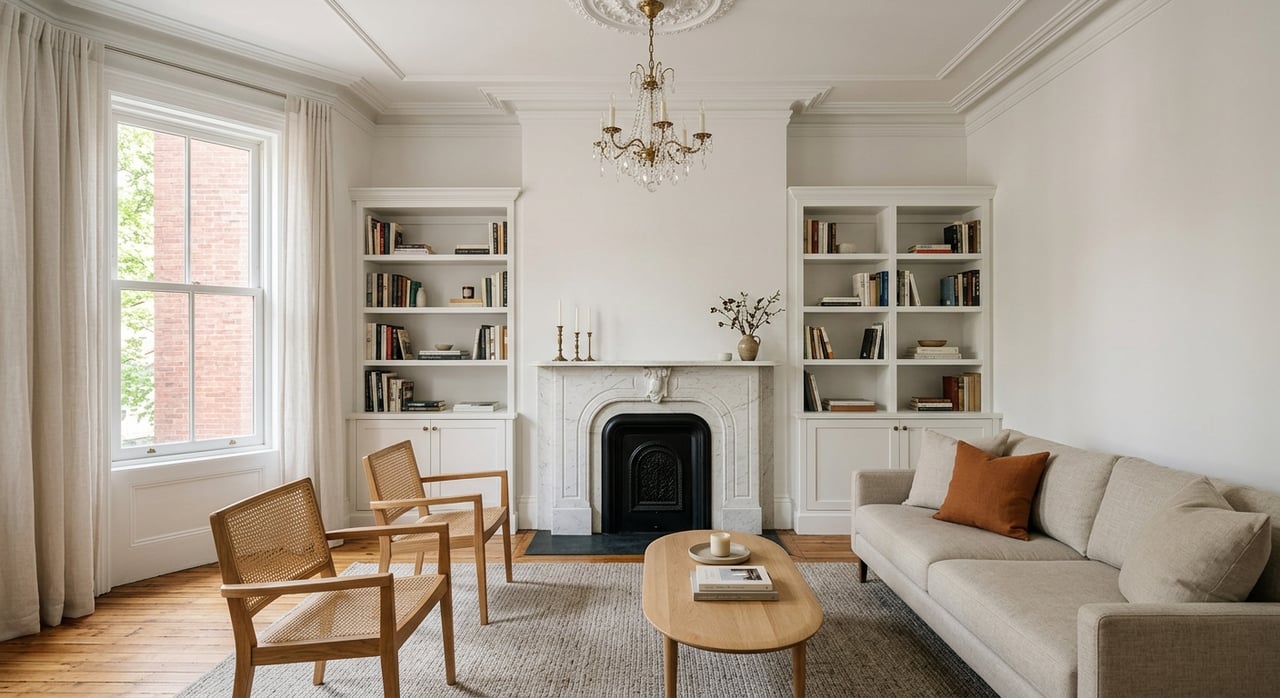
Selling a Back Bay brownstone condo is not just about putting a sign in the window and waiting for offers. In this part of Boston, buyers notice condition, character, and presentation right away, and historic-district rules can affect your timeline before your home even goes live. If you want a smoother launch and a stronger first impression, the right prep matters. Let’s dive in.
Start with Back Bay realities
Back Bay is a high-value, high-expectation condo market. As of April 2026, Redfin reported a median sale price of $1,509,439, median days on market of 51, and a sale-to-list ratio of 96.5%, with 133 condos for sale at a median listing price of $1.59M. That means buyers often have options and tend to compare homes carefully.
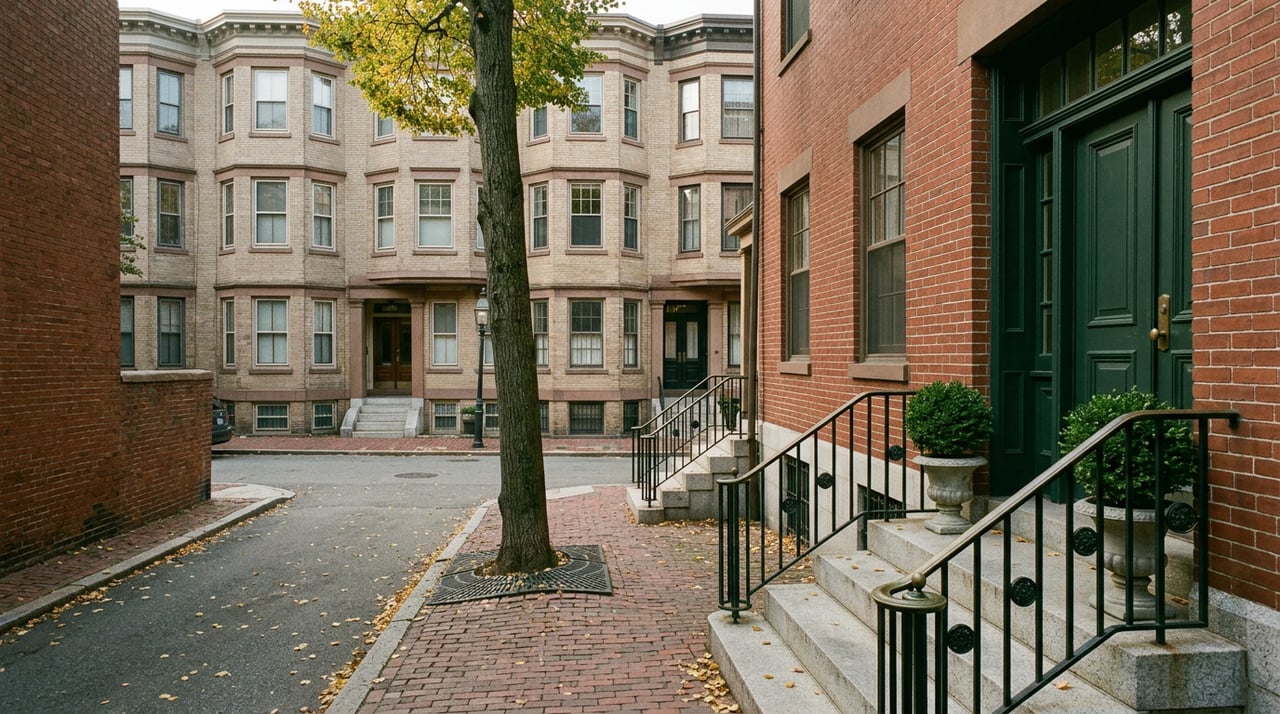
Your condo is also part of a neighborhood where architecture carries real weight. Boston says Back Bay is a designated historic district, and the Back Bay Architectural District Commission reviews proposed exterior design changes and alterations. If your pre-sale plan includes visible exterior work, timing is important because approval must be issued before work begins.
Plan exterior work early
If your unit or building needs exterior repairs or updates, do not treat them like last-minute cosmetic projects. The city says owners should not begin exterior work until approval is issued, and the commission meets monthly. Even a small change can affect when your condo is truly ready to list.
This matters most for work tied to windows, doors, stoops, masonry, lighting, or color changes. If you wait too long to make those decisions, your listing date can slip. A smart seller starts this review process early and builds the listing calendar around it.
Preserve original details when possible
Back Bay’s residential guidelines favor restoration over replacement. They call for retaining original window materials when possible and, if repair is needed, duplicating the sash, frames, surrounds, and proportions. The guidelines also advise against vinyl or metal-clad replacement sash, reflective or tinted glass, and changes to historic window openings.
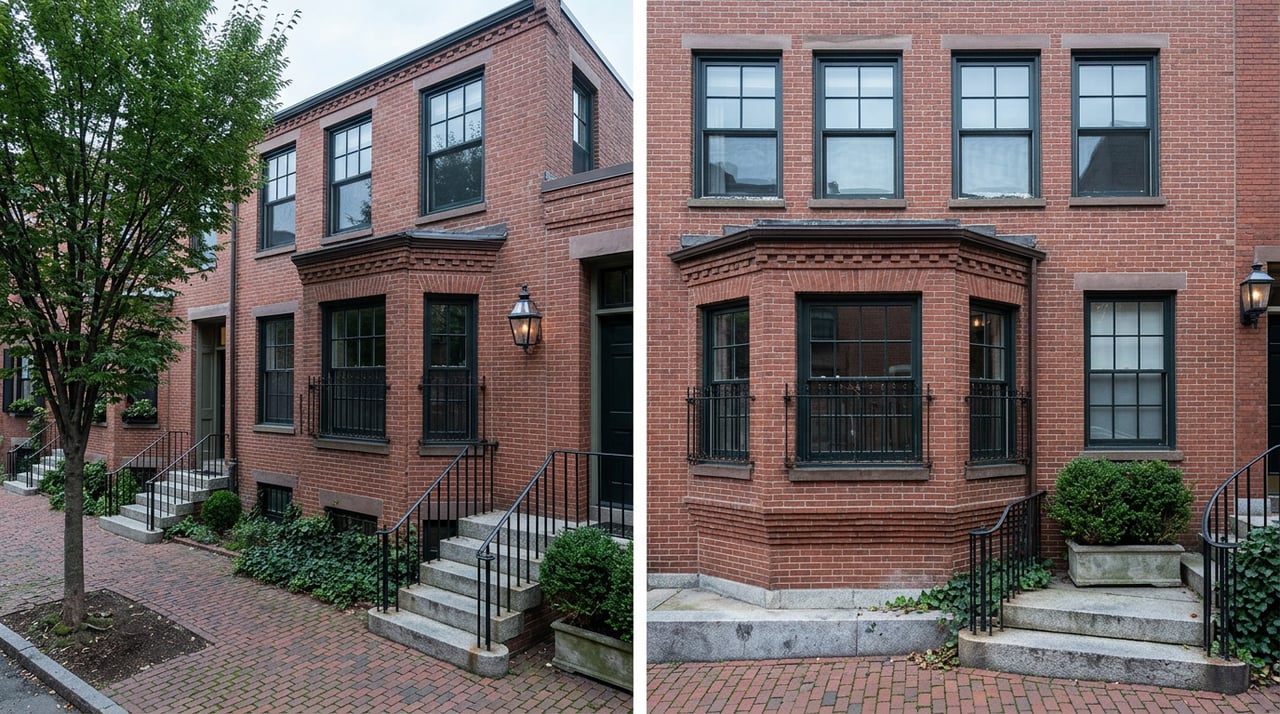
The same preservation mindset applies to masonry and entries. The guidelines encourage gentle masonry cleaning, repointing that matches the original mortar color and profile, and preserving brownstone texture and appearance. Door openings, stoops, and entry proportions should remain consistent with the original building.
Focus on repairs buyers will see
The best pre-listing work is often simple, visible, and respectful of the home’s character. Patching and repainting, updating tired light fixtures, cleaning or refinishing floors, repairing worn hardware, re-caulking, re-grouting, and fixing small cosmetic flaws can make a strong difference in how buyers experience the space.
That practical approach aligns with broader staging trends. In NAR’s 2025 staging report, more than half of sellers’ agents either did not stage homes or mainly recommended decluttering and correcting property faults. In other words, a clean, well-maintained condo often gains much of the benefit sellers want without a major renovation.
Keep upgrades aligned with the building
Back Bay buyers are often drawn to original features, not generic finishes. Before replacing something that still has life left in it, ask whether repair or refresh would serve the space better. In a brownstone condo, preserving trim, fireplace surrounds, wood floors, and window character can help the home feel more authentic and more memorable.
That does not mean you leave obvious wear in place. It means your updates should support the architecture instead of competing with it. Clean lines, good lighting, and restored details usually read better than overdone finishes.
Stage to highlight architecture
Staging should help buyers see the scale, light, and layout of your condo. NAR’s 2025 Profile of Home Staging found that 83% of buyers’ agents said staging made it easier for buyers to visualize a property as a future home, 29% of sellers’ agents reported a 1% to 10% increase in the dollar value offered, and 49% said staging reduced time on market.
For a Back Bay brownstone condo, the rooms that usually deserve the most attention are the living room, primary bedroom, dining room, and kitchen. Those are also the rooms where original details and proportions tend to stand out the most. Good staging helps buyers notice those strengths right away.
Use a lighter touch
Historic condos usually benefit from selective staging, not heavy styling. Furniture should fit the room size, traffic paths should stay open, and clutter should be minimal. A neutral palette can also help tall windows, trim, fireplaces, and wood floors stand out more clearly.
The goal is not to make your condo look trendy. The goal is to make it feel bright, calm, and easy to understand. When buyers can quickly read the layout and appreciate the architecture, they are more likely to connect with the space.
Treat photography as essential
In a visual market like Back Bay, photography is not optional. MLS PIN requires photos for condominium listings, requires at least one exterior image, and generally requires those images to be filed within five days of the listing date or the end of a Coming Soon period. That makes photo planning part of your listing workflow from the start.
Professional photography also helps your condo compete online, where many buyers make their first decision about whether to schedule a showing. Zillow’s seller guidance notes that professional photos, angled exterior shots, chest-height landscape framing, and enough images to show room relationships can strengthen a listing. It also says 22 to 27 photos is a typical ideal range, and listings with fewer than nine photos are less likely to sell within 60 days.
Show the full story
For a Back Bay brownstone condo, your photos should do more than capture pretty corners. They should explain how the rooms connect, how natural light moves through the unit, and how original details fit into everyday living. A strong image set makes your listing feel complete and credible.
You also need at least one exterior shot, which matters even more in a neighborhood known for its streetscape and architecture. Buyers want to see both the home and the building context. That exterior image helps set expectations before anyone walks through the door.
Build a complete MLS launch
Back Bay is not a market where a high asking price alone does the work. With the neighborhood’s current sale-to-list ratio below 100%, buyers are clearly comparing choices and negotiating based on condition, presentation, and perceived value. A complete, accurate, polished launch usually gives you a stronger position than relying on price ambition alone.
That means your MLS listing should be specific. Buyers will want clear information on bedroom and bath count, parking, private outdoor space, building amenities, floor level, renovation dates, deeded storage, pet policy, elevator access, and any historic-district approvals or limitations tied to the building.
Accuracy builds trust
In a high-price condo market, vague listings can create friction. The more complete your information is at launch, the easier it is for buyers to assess fit and move forward confidently. That can also help reduce confusion later in the process.
This is one reason boutique, detail-oriented marketing matters. A polished listing is not just about sounding good. It is about giving buyers the facts they need in a way that feels clear, organized, and professional.
Gather Massachusetts disclosures early
A smooth sale also depends on getting your paperwork ready before the listing gains momentum. Massachusetts says sellers or agents must provide the home-inspection disclosure before or at the first purchase contract, and buyers cannot be required to waive inspection rights as a condition of acceptance. The rule applies to condominium units.
Lead-paint disclosure may also matter. For homes built before 1978, Massachusetts and federal lead-paint notification rules require disclosure of known lead information before a purchase and sale agreement is signed. Since many Back Bay buildings predate 1978, this should be on your radar early.
Organize condo documents before launch
Massachusetts also notes that condominium-law questions are legal in nature and should be directed to a real estate attorney. For sellers, the practical takeaway is simple: gather condo documents, association notes, and any special-assessment information early. Waiting until an offer is in hand can slow things down.
There is one more item to know if your sale price reaches a certain level. For Massachusetts real estate sales of $1 million or more, the seller must complete a Transferor’s Certification at closing. In Back Bay, where sale prices often exceed that threshold, it is wise to be prepared.
A smart prep plan for sellers
If you want to simplify your path to market, focus on the steps that have the biggest impact:
- Review any needed exterior work early
- Confirm whether Back Bay Architectural District approval is required
- Prioritize visible repairs and cosmetic fixes
- Declutter and stage the key rooms selectively
- Schedule professional photography before launch
- Build a complete and accurate MLS listing
- Gather disclosures and condo documents in advance
When these pieces come together, your condo is more likely to hit the market with fewer surprises and a stronger first impression.
Selling a Back Bay brownstone condo takes more than good timing. It takes respect for the building, attention to presentation, and a launch plan that feels complete from day one. If you want experienced guidance on how to prepare, price, and present your home for this market, connect with Urban Circle Realty.
FAQs
What repairs matter most before listing a Back Bay brownstone condo?
- The most useful pre-listing repairs are usually visible, practical fixes such as patching, repainting, floor cleaning or refinishing, hardware repair, re-caulking, re-grouting, and correcting small cosmetic defects.
Do exterior changes on a Back Bay condo need historic approval?
- In many cases, yes. Boston says the Back Bay Architectural District Commission reviews proposed exterior design changes and alterations, and owners should not begin exterior work until approval is issued.
How should you stage a historic Back Bay condo for sale?
- Use selective staging that highlights architecture, keeps furniture scaled to the rooms, preserves open traffic flow, reduces clutter, and lets original features like windows, trim, fireplaces, and floors stand out.
How many photos should a Back Bay condo listing include?
- MLS PIN requires photos for condominium listings and at least one exterior image, while Zillow’s seller guidance says 22 to 27 photos is a typical ideal range.
What disclosures should Massachusetts condo sellers prepare early?
- Massachusetts sellers should prepare the home-inspection disclosure, any required lead-paint disclosure for pre-1978 homes, condo documents and association information, and be aware that sales of $1 million or more require a Transferor’s Certification at closing.