If you are thinking about buying a 2-family, 3-family, or triple-decker in Somerville, the opportunity is real, but so is the homework. This is a market with strong rental demand, older housing stock, and tight margins that reward careful underwriting. In this guide, you will learn what makes Somerville attractive to small landlords, where the numbers can get tricky, and how to plan for leasing, maintenance, and compliance with more confidence. Let’s dive in.
Why Somerville draws small landlords
Somerville is a dense city with 84,211 residents packed into just 4.12 square miles. Only 34.2% of housing units are owner-occupied, which helps explain why rental housing plays such a large role in the local market.
That renter-heavy mix supports consistent demand. The city’s housing base serves a wide range of residents, and current rental data shows pricing well above the national average, with Zillow reporting an average asking rent of $3,800 and 2,174 active rentals.
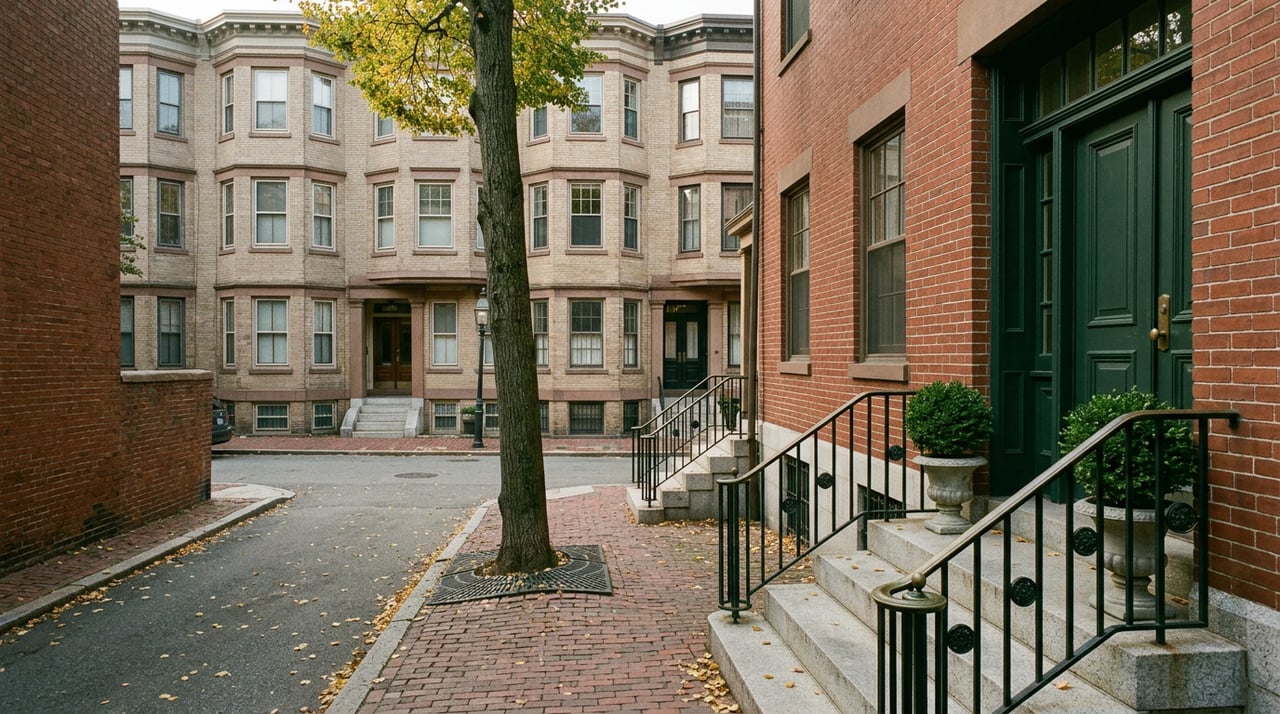
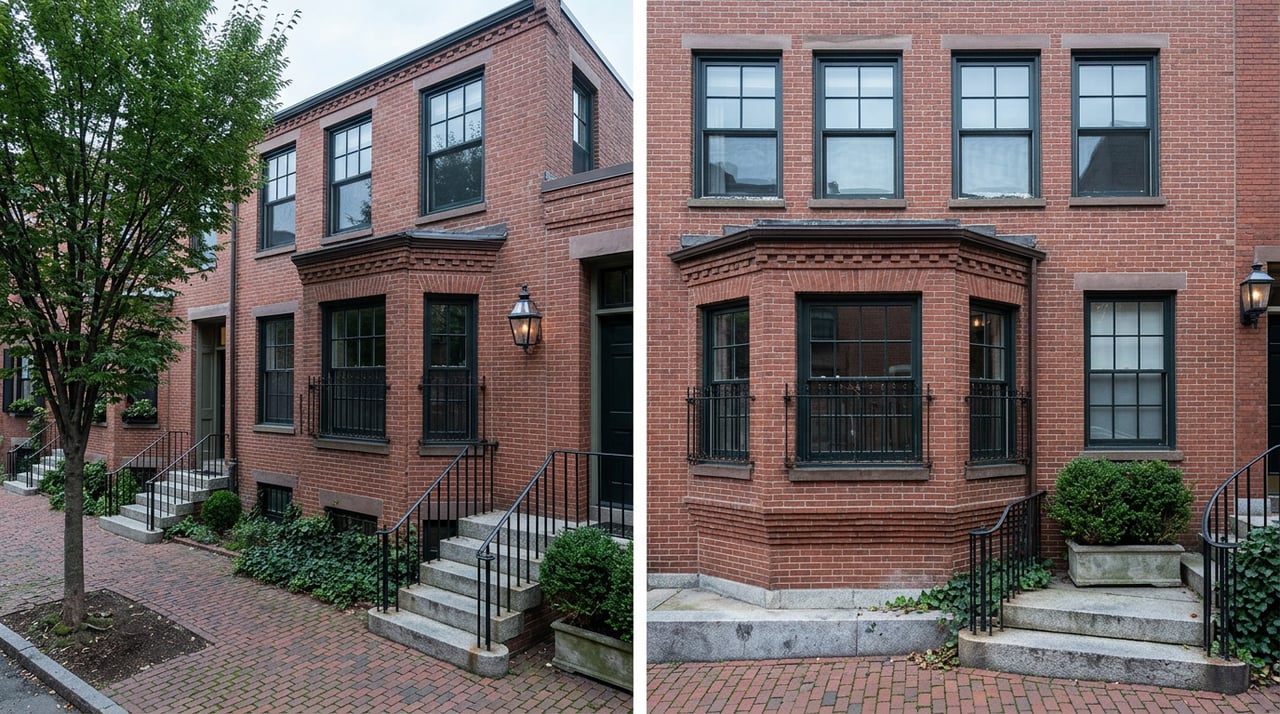
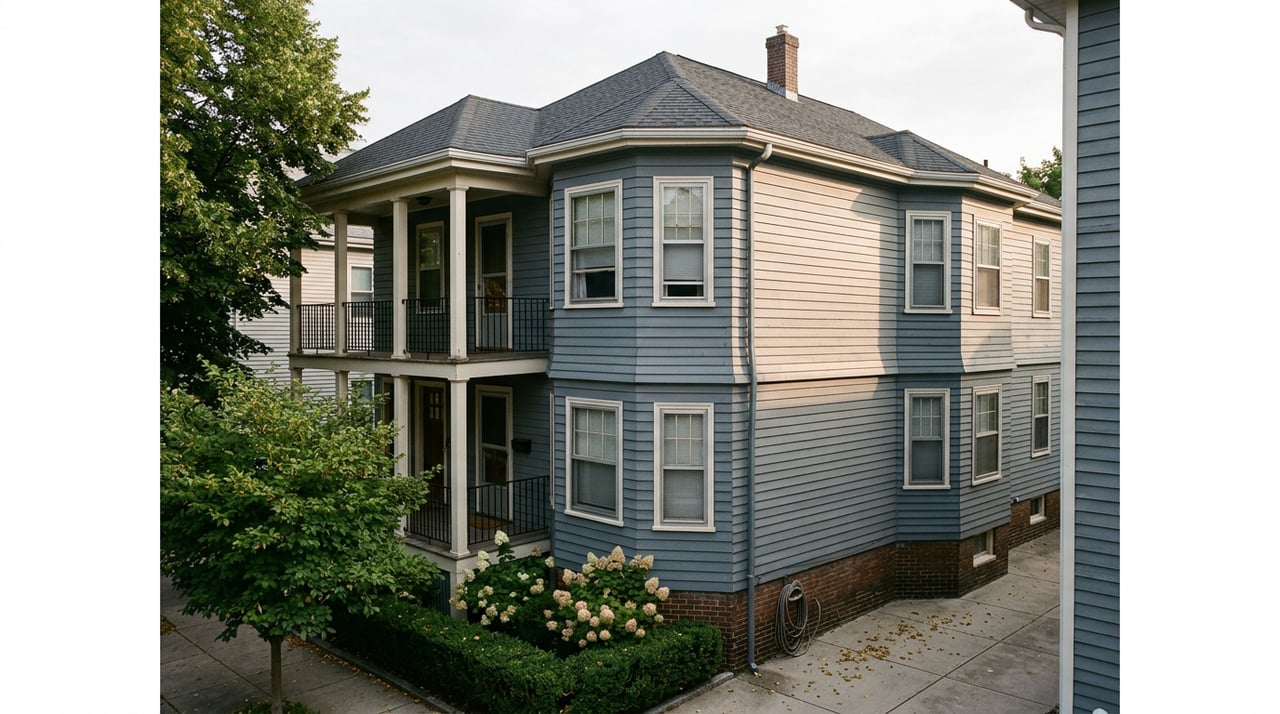
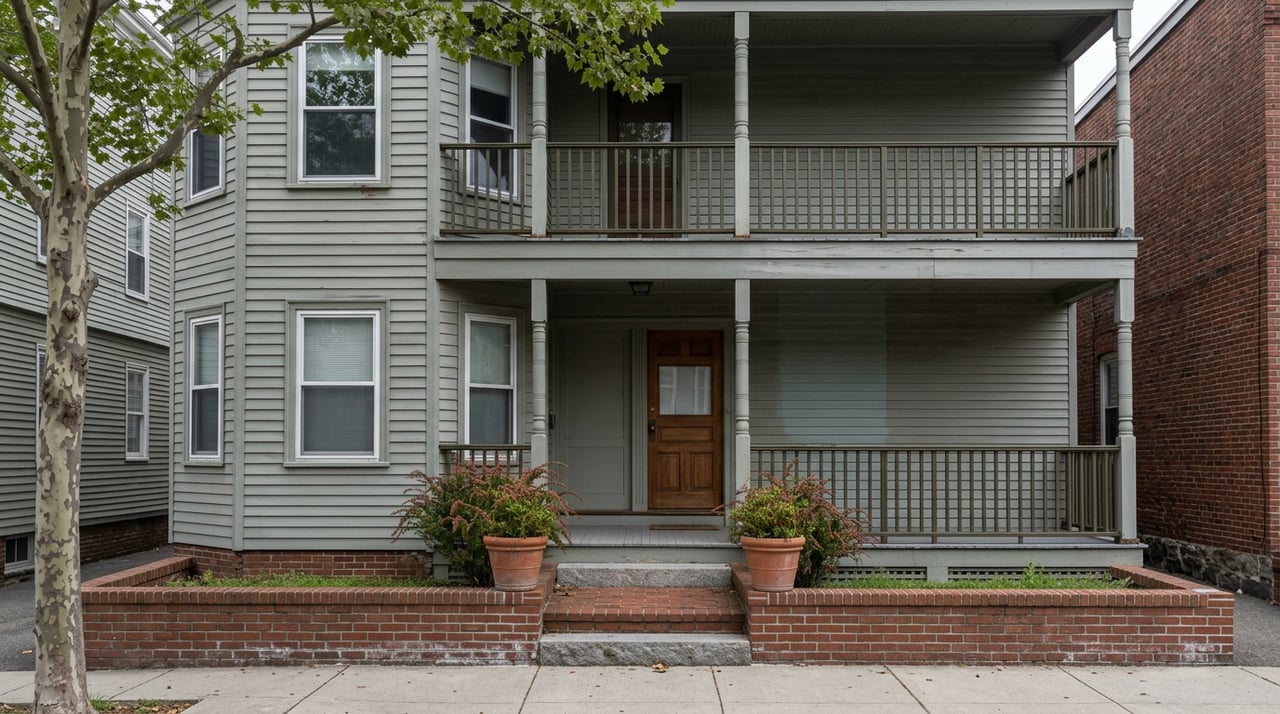
For small landlords, the biggest local advantage is the housing stock itself. More than half of Somerville’s homes are in 2-4 unit buildings, including duplexes and triple-deckers, which makes this one of the clearest small multifamily markets in Greater Boston.
Somerville building types to know
Somerville’s zoning materials specifically reference houses, semi-attached houses, duplexes, and triple-deckers as important housing forms to preserve and create. That matters because it confirms that small multifamily property is not a niche here. It is part of the city’s core housing pattern.
An ACS-based housing summary shows 28.2% of units in 2-unit buildings and 27.0% in 3-4 unit buildings. Another 8.4% are in 5-9 unit buildings, while detached single-family homes make up just 10.5% of the stock.
For an investor, that means you are shopping in a market where 2-4 unit ownership is common, familiar, and highly relevant. It also means comparable properties often share similar age, layout, and maintenance challenges.
Older stock means more upkeep
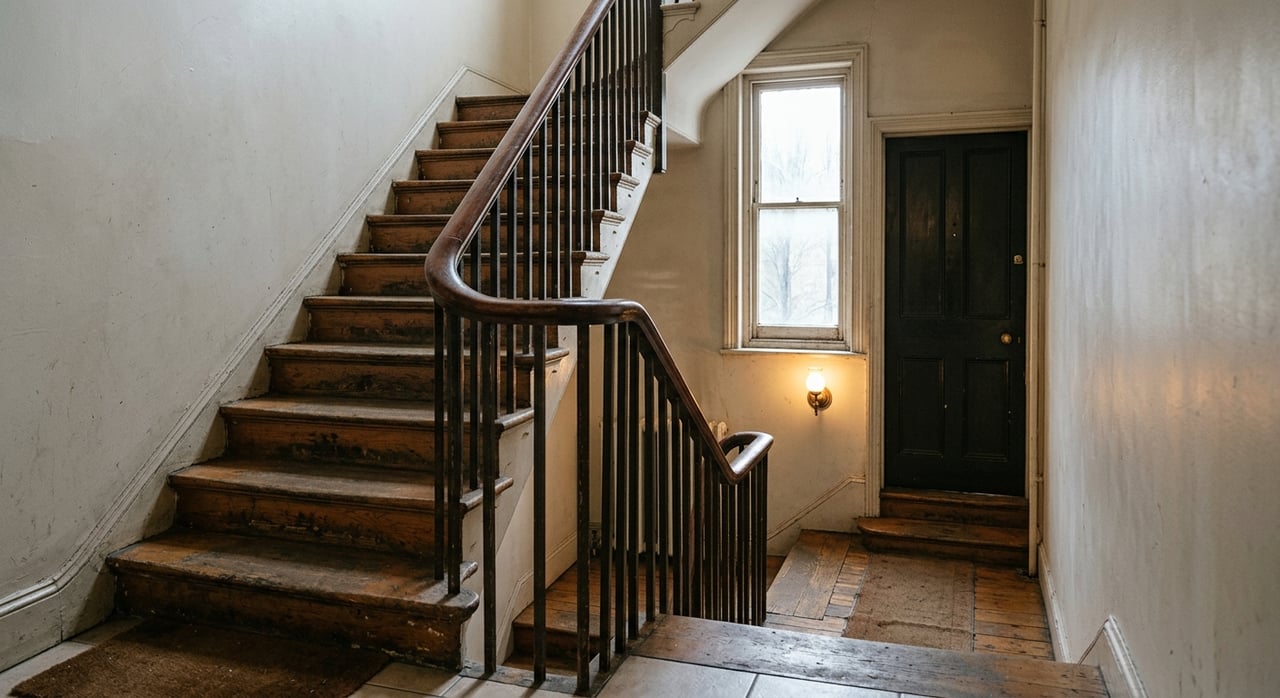
Somerville’s median construction year is 1938, and 59% of homes were built in 1939 or earlier. That age profile can create value-add potential, but it also raises the need for realistic repair planning.
Older properties often come with more system monitoring, more deferred maintenance risk, and more frequent repair cycles. Roofs, porches, foundations, windows, heating systems, and common areas can all affect your budget faster than a spreadsheet might suggest.
Lead-law diligence also matters more in this market. Massachusetts notes that homes built before 1978 may contain lead, and owners who rent or sell those homes must disclose lead risks. If a child under 6 lives in the unit, lead hazards must be removed or controlled.
What rents look like in Somerville
Somerville rents are high, but they are not all the same across unit types or building styles. Zillow listing snapshots show many 1-bedroom units in the high $2,000s to low $3,000s, many 2-bedrooms in the mid $3,000s, many 3-bedrooms in the mid $4,000s to low $5,000s, and many 4-bedroom units around $4,400 to $6,000 or more.
These are active listing snapshots, not true market medians, but they are still useful for underwriting. They show the spread between older walk-up apartments and newer buildings with more amenities.
It also helps to keep tenant affordability in view. Census-based and city data show median gross rent at $2,517, while about 35% of renter households spend more than 30% of income on housing and 16.3% spend more than 50%.
Underwriting in a yield-compressed market
This is where many first-time small landlords get caught off guard. High rents do not automatically mean easy cash flow, especially when acquisition pricing, repairs, taxes, and turnover costs all run high.
Research in the report shows annual gross rent at about 3.3% of median value using Census figures, and about 5.0% using Zillow’s average asking rent and home value index. Those are not cap rates, but they help show why Somerville can feel yield-compressed.
In a market like this, small changes matter. A short vacancy, a larger repair, or a tax increase can materially shift your net operating income.
Property taxes and reassessment risk
Somerville’s FY2026 residential tax rate is $10.98 per $1,000 of assessed value. The city also applies a 1.5% CPA surcharge on annual property tax, and taxes are billed quarterly.
If you are buying a 2-4 family as an investor, do not build your numbers around the owner-occupant exemption. The city’s 35% residential exemption saves owner-occupants $4,578, but it is not part of the baseline for investor underwriting.
You should also model reassessment risk if you plan improvements. Somerville assessors note that values are based on market conditions and that renovations or new growth can raise individual assessments even when citywide tax limits apply.
Leasing season can affect returns
Timing matters in Somerville. Zillow reports that summer is the busiest rental stretch nationally, and Boston ranks among the hottest rental markets during that period.
For local landlords, that suggests lease-up pressure and vacancy risk may cluster in late spring and summer rather than staying even all year. If your unit turns at the wrong time, the result may be a shorter applicant pool, more downtime, or more pricing pressure.
That is why lease planning matters. Matching lease expirations to stronger leasing windows can help protect occupancy and reduce friction between tenancies.
Compliance basics small landlords should not overlook
Massachusetts security deposit rules are detailed and landlord-sensitive. In general, a landlord may collect no more than one month’s rent as a security deposit, must keep it in a separate interest-bearing account, must provide written bank information within 30 days, and must return the deposit within 30 days after the tenancy ends.
The state also requires a statement of condition at move-in. Missing steps on deposits or documentation can create unnecessary risk, especially for owners trying to self-manage from a distance.
Somerville also maintains an Office of Housing Stability and a Fair Housing Commission, with local housing resources that point landlords and tenants to rights and mediation support. In practical terms, process discipline matters here. Notices, records, and tenant communication should be handled carefully and consistently.
What remote landlords should plan for
If you do not live near the property, Somerville can be especially demanding. Older buildings need faster maintenance response, tenant turnover can be seasonal, and compliance tasks leave less room for error.
For many small portfolio owners, the highest-value support is not just finding a tenant. It is having a reliable system for leasing, maintenance coordination, documentation, and day-to-day communication.
That is especially true when you are balancing a full-time job, another property, or out-of-state ownership. The more moving parts your building has, the more valuable accountable local support becomes.
A practical checklist before you buy
Before you move forward on a Somerville multifamily investment, focus on the basics that most affect your real return:
- Underwrite taxes using the investor case, not the owner-occupant exemption
- Build in reserves for older-building repairs and recurring maintenance
- Review likely rent by unit type instead of relying on one citywide average
- Plan for leasing season and possible vacancy between tenants
- Confirm your security deposit process and move-in documentation workflow
- Review lead-law obligations for pre-1978 housing
- Model the chance of higher assessments after renovation or major improvements
Why local execution matters
In Somerville, the margin between a smooth investment and a stressful one often comes down to execution. Strong leasing strategy, accurate pricing, responsive management, and clean compliance can make a meaningful difference in effective returns.
That is why many small landlords prefer one accountable partner who can help across the full ownership cycle. Buying well is important, but so is leasing well and managing well after closing.
If you are weighing a Somerville multi-family purchase or need help leasing and managing an existing property, Urban Circle Realty offers owner-led guidance, tenant placement, and property management across Greater Boston.
FAQs
What types of multifamily buildings are common in Somerville?
- Somerville has a large share of 2-unit and 3-4 unit housing, including duplexes and triple-deckers, which makes small multifamily property a major part of the local housing stock.
What should small landlords know about Somerville property taxes?
- Somerville’s FY2026 residential tax rate is $10.98 per $1,000 of assessed value, taxes are billed quarterly, and investor underwriting should not assume the owner-occupant residential exemption.
Why is lead law important for Somerville rental property?
- Much of Somerville’s housing was built before 1978, and Massachusetts requires lead-risk disclosure for those homes. If a child under 6 lives in a unit, lead hazards must be removed or controlled.
When is the busiest leasing season for Somerville rentals?
- Rental activity is likely to be strongest in late spring and summer, which can make lease timing an important part of vacancy planning.
What security deposit rules apply to Massachusetts landlords?
- In general, landlords may collect no more than one month’s rent as a security deposit, must hold it in a separate interest-bearing account, provide written bank information within 30 days, and return it within 30 days after tenancy ends.
Is Somerville a simple cash-flow market for small investors?
- Not usually. High rents can be offset by purchase prices, taxes, repairs, turnover, and compliance costs, so careful underwriting is essential.