Ever wonder what Beacon Hill feels like when you move beyond the postcard view? If you are thinking about living in this part of Boston, a weekend on foot can tell you a lot about the pace, convenience, and character of daily life. From coffee on Charles Street to walks through some of the city’s most recognizable public spaces, here’s what a local-style weekend in Beacon Hill can actually look like. Let’s dive in.
Start on Charles Street
If you want to understand Beacon Hill quickly, start with Charles Street. Boston Planning describes it as the neighborhood’s main commercial corridor, and that comes through right away in the mix of everyday stores and places people return to again and again.
Your morning could begin with coffee at Blank Street at 97 Charles Street or a slower start at Beacon Hill Books & Cafe at 71 Charles Street. Beacon Hill Books & Cafe combines a bookstore setting with breakfast-to-dinner service, tea, and literary events, which gives the street a lived-in, neighborhood feel rather than a purely visitor-focused one.
If brunch is part of your perfect weekend, The Paramount at 44 Charles Street is a well-known option that serves brunch seven days a week. That kind of all-week consistency matters when you are picturing real day-to-day life, not just a one-time visit.
Notice the daily-use retail
One of the most useful things about Charles Street is that it is practical as well as charming. Boston Planning notes that the street serves neighborhood residents and frequent tourists, which helps explain why the retail mix feels balanced.
You will find places like Blackstone’s at 40 Charles Street for gifts and home goods, along with Charles Street Supply at 54 Charles Street, a hardware store that has operated since 1948. That blend of books, cookware, hardware, and household items says a lot about Beacon Hill. It is historic and visually distinctive, but it also functions as a real residential neighborhood.
Walk the neighborhood like a resident
Beacon Hill is compact, and walking is central to how the neighborhood works. That becomes clear almost immediately when you spend a few hours here without a car.
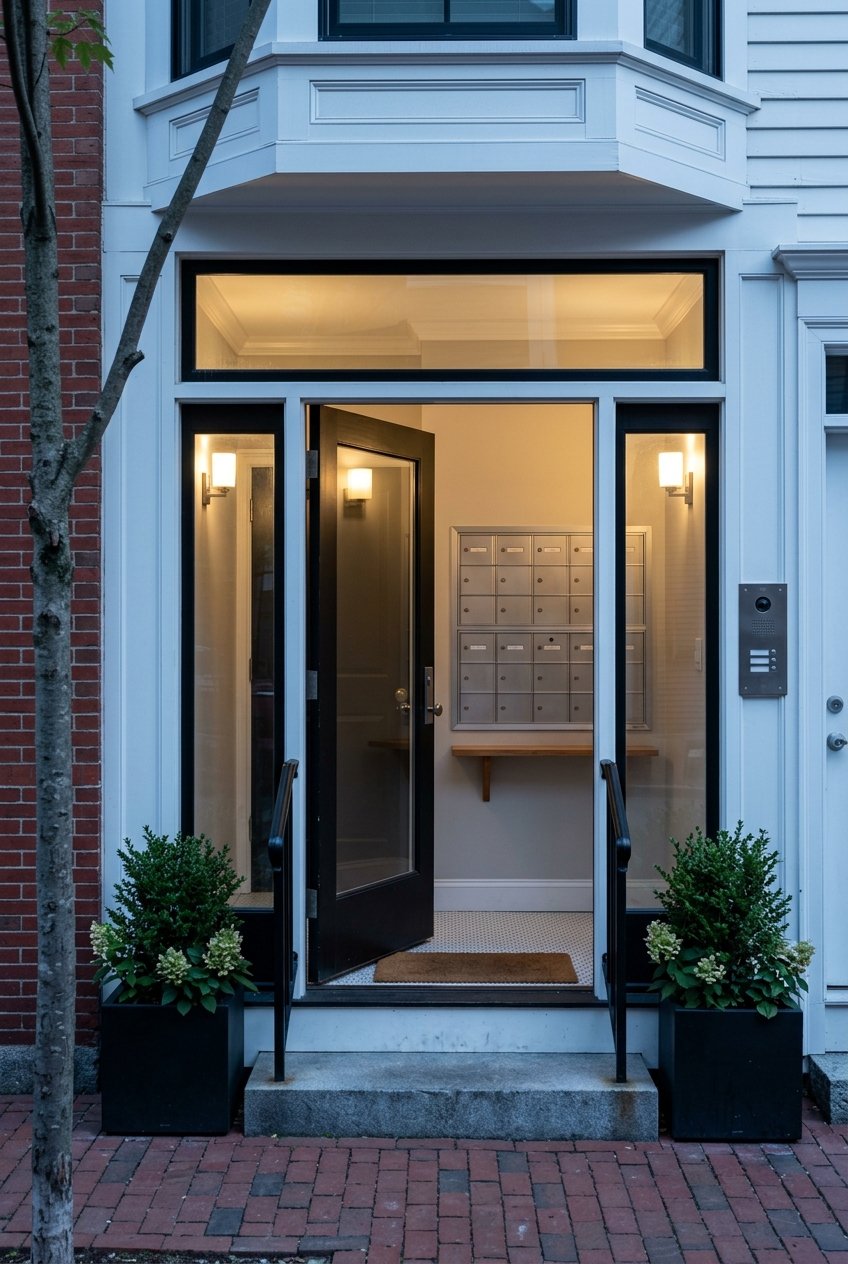
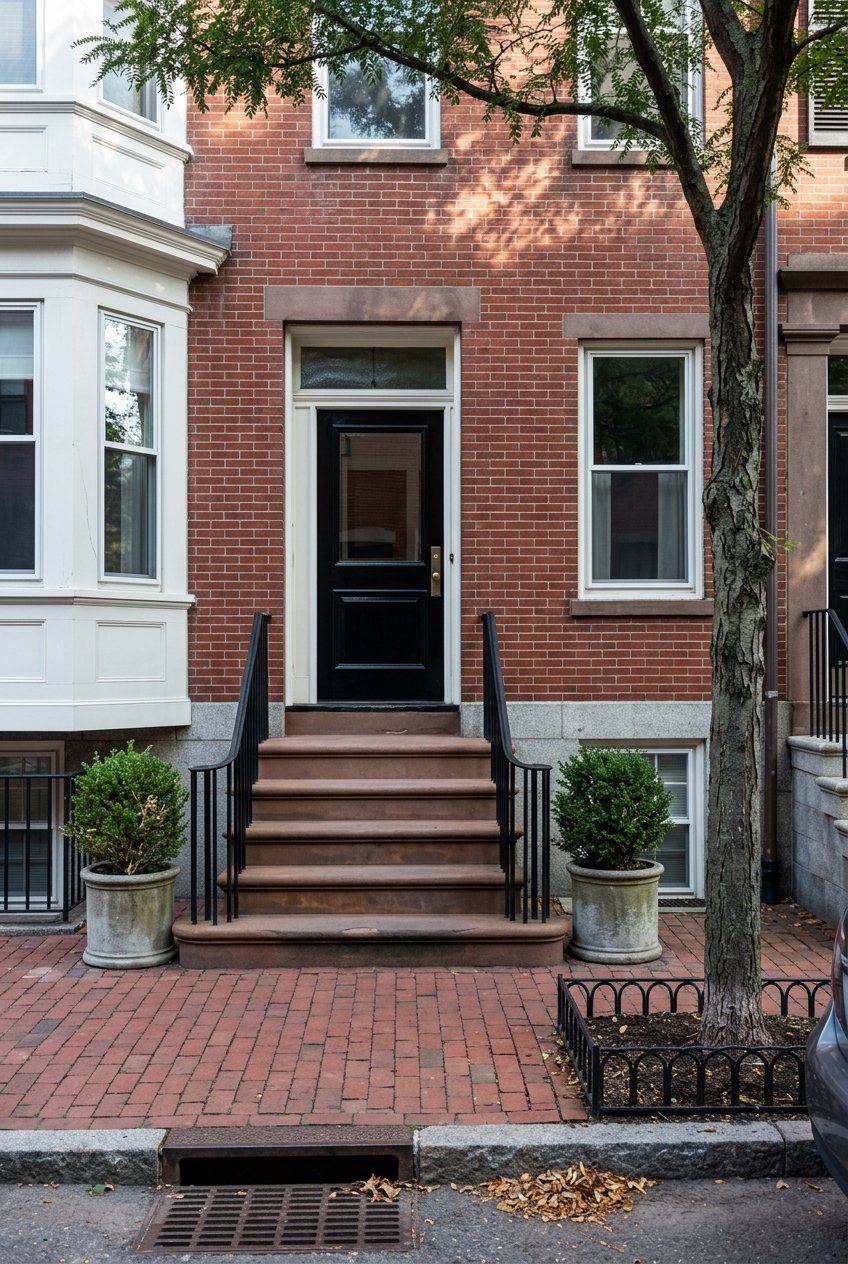
The streets are part of the experience. Boston Planning and the City describe Beacon Hill with brick row houses, brick sidewalks, gas lamps, ornate doors, decorative ironwork, and narrow streets lined with classic red brick homes. Even a short walk can feel like an event, which is one reason the neighborhood has such lasting appeal.
Explore the historic setting
Beacon Hill is one of Boston’s most recognizable neighborhoods and a protected historic district just west of Downtown Boston. It is also home to landmarks including the Massachusetts State House and the Boston African American National Historic Site.
If you want a deeper neighborhood walk, the Black Heritage Trail offers one of the most meaningful ways to experience Beacon Hill. It can be self-guided year-round or ranger-led in season, and it includes 10 stops between the Robert Gould Shaw/Massachusetts 54th Regiment Memorial and the Museum of African American History.
A local note matters here. Because several stops are private residences, respecting privacy is part of the expected etiquette. That is a good example of how Beacon Hill blends public history with active residential life.
Add green space to your weekend
One of Beacon Hill’s biggest lifestyle advantages is how close it is to major Boston parks and open space. Boston Planning says Boston Common, the Public Garden, the Esplanade, and the Hatch Shell are all adjacent and within easy walking distance.
That means your weekend does not need much planning. You can grab coffee, browse Charles Street, and then head out for a longer walk without moving your car or coordinating transportation.
Boston Common and Public Garden
Boston Common is the oldest public park in the United States, and the Public Garden was the first public botanical garden in America. For someone considering Beacon Hill, that kind of nearby access adds real everyday value.
These are not occasional, destination-only amenities. They are the kind of places you could easily build into your normal routine, whether that means a morning walk, a quiet bench break, or meeting friends nearby.
Charles River Esplanade
The Charles River Esplanade adds another layer to Beacon Hill living. According to the National Park Service, it offers waterfront gardens plus walking and biking trails.
If your ideal weekend includes movement and open air, this is where Beacon Hill starts to stand out. You are living in a historic neighborhood, but you are also very close to one of Boston’s most useful outdoor spaces.
Expect a walk-first lifestyle
If you are wondering whether you can live car-free in Beacon Hill, the neighborhood strongly supports that kind of routine. Walking is a core part of daily life here, and the area is close to multiple transit connections.
A local neighborhood guide points to nearby subway access through Park Street, Charles/MGH, Arlington, Government Center, Bowdoin, and Downtown Crossing connections. Bluebikes also serves the area, including a Charles St at Beacon St station, and the system includes more than 5,000 bikes and nearly 600 stations across Metro Boston.
Parking is the tradeoff
The biggest practical constraint is parking. The City of Boston’s Charles Street parking study found that Charles Street is mostly two-hour metered parking, while side streets are largely resident permit parking.
The same study found peak occupancy reaching 94 percent or higher, up to 100 percent depending on the block and time of day. In plain terms, that means parking can be difficult, especially if you are hoping for an easy, car-centered routine.
For many buyers and renters, that is not a dealbreaker. It is simply part of Beacon Hill’s tradeoff: highly walkable, transit-adjacent, and compact, with less convenience for car storage than you might find in newer or more auto-oriented neighborhoods.
Understand the housing feel
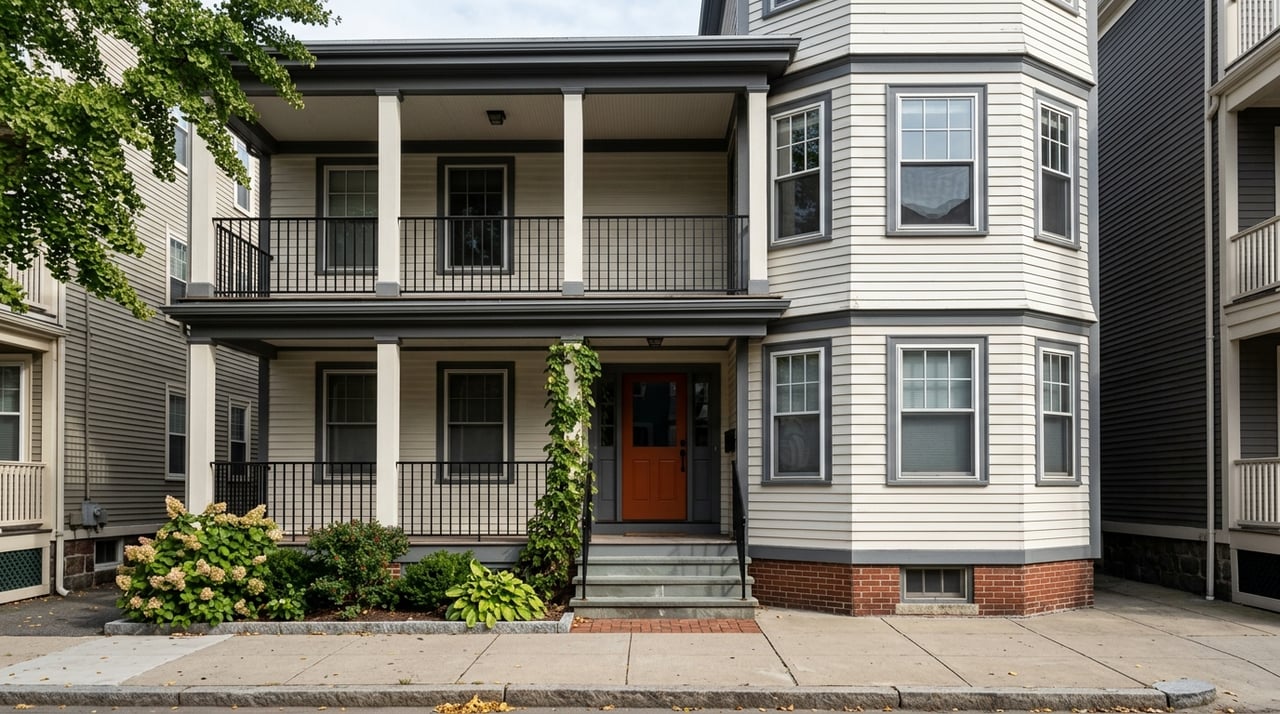
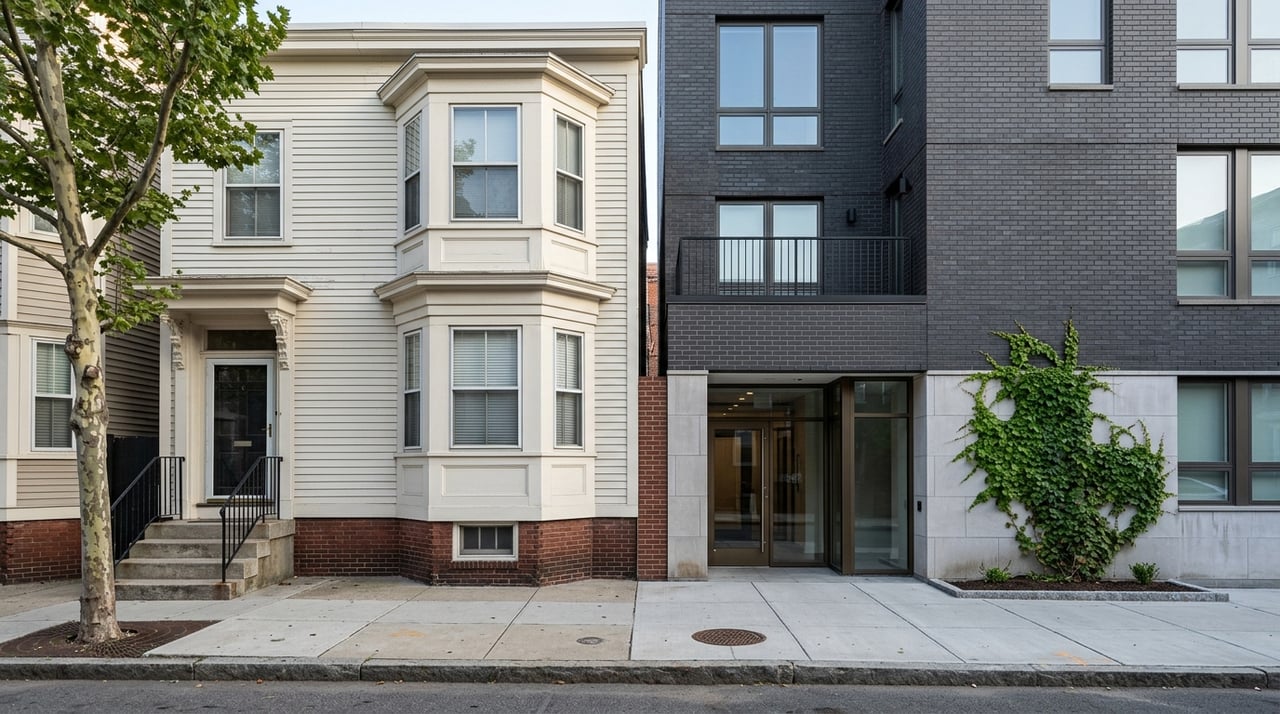
A weekend in Beacon Hill is also a good reminder that the housing stock here is not interchangeable with newer condo neighborhoods. The district’s architecture includes Federal and Greek Revival homes, later apartment buildings, and adaptive-reuse properties such as converted stables and carriage houses.
That variety creates a lot of visual charm and gives buyers access to homes with details that are hard to replicate elsewhere. It also means you are often looking at older, lower-rise housing rather than large new towers.
Historic rules shape ownership
The Historic Beacon Hill District was established in 1955 and is the oldest historic district in Massachusetts. The City states that exterior work visible from a public way is subject to Beacon Hill Architectural Commission review.
For owners, that matters in practical terms. If you are evaluating a condo or townhouse here, it is smart to pay close attention to items like façades, windows, roofs, and any work that may require review or approvals.
That does not make Beacon Hill harder to love. It simply means ownership often comes with more process and more preservation considerations than in a typical newer building.
What a weekend reveals about Beacon Hill
Spend two days here and a few things become clear. Beacon Hill is both residential and active, historic and functional, polished and practical.
You can get coffee, pick up household basics, walk to major parks, use nearby transit, and spend most of your time on foot. That is a big part of the neighborhood’s appeal, especially if you want central Boston access with a strong sense of place.
At the same time, Beacon Hill asks you to embrace its realities. Parking is limited, homes are often older, and exterior updates may involve review. For the right buyer or renter, those are not drawbacks so much as part of the neighborhood’s identity.
If you are considering Beacon Hill, the best next step is to look past the surface charm and think about fit. The people who love living here usually value walkability, historic character, and the convenience of having so much of Boston close at hand.
If you are exploring Beacon Hill or comparing it with other central Boston neighborhoods, Urban Circle Realty can help you understand how the lifestyle, housing stock, and ownership considerations line up with your goals.
FAQs
Can you live car-free in Beacon Hill, Boston?
- Yes, Beacon Hill is compact and walkable, with nearby subway access and Bluebikes stations, while parking is limited and often heavily used.
Is Beacon Hill in Boston more residential or tourist-oriented?
- It is both. Charles Street serves residents and frequent visitors, while the neighborhood remains a protected historic district with a strong residential feel.
What can you do on a weekend in Beacon Hill?
- A typical weekend can include coffee or brunch on Charles Street, browsing neighborhood shops, walking the Black Heritage Trail, and spending time at Boston Common, the Public Garden, or the Esplanade.
What types of homes are common in Beacon Hill?
- Beacon Hill includes brick row houses, Federal and Greek Revival homes, later apartment buildings, and adaptive-reuse properties like converted stables and carriage houses.
What should buyers know about renovations in Beacon Hill?
- In the Historic Beacon Hill District, exterior work visible from a public way is subject to Beacon Hill Architectural Commission review, so owners should expect added review for some projects.