Thinking about buying in Allston or Brighton, but worried Boston prices make homeownership feel out of reach? House hacking can be a practical way to get your foot in the door by living in the property and using rent from another unit or roommates to help offset your monthly cost. In a rental-heavy part of Boston like Allston/Brighton, that strategy can make real sense if you understand the local numbers, financing options, and landlord responsibilities before you buy. Let’s dive in.
Why Allston and Brighton Stand Out
Allston and Brighton are unusually strong fits for first-time buyers who want to house hack because both neighborhoods have a high share of renters. According to 2025 Boston Planning Department estimates, Allston has 11,758 housing units with 82.4% renter occupancy, and Brighton has 25,805 housing units with 77.2% renter occupancy. Both are well above Boston’s citywide renter share of 59.8%.
That matters because house hacking works best where rental demand is already part of the neighborhood fabric. In plain terms, you are not trying to create demand from scratch. You are buying in an area where renting is already common and accepted.
Who Rents in Allston/Brighton
Allston has one of the youngest renter profiles in the city. The Boston Planning Department says 76% of Allston residents are ages 18 to 34, and the neighborhood includes students from nearby Boston University and Harvard, recent immigrants, and young professionals.
Brighton also has a strong renter base, with 59.7% of residents ages 18 to 34. The city describes Brighton as home to students from nearby colleges, recent immigrants, young professionals, and families, with major anchors that include Boston College, St. Elizabeth’s Medical Center, WGBH, and New Balance.
For you as a first-time buyer, this broad tenant pool can support different house-hack setups. You might rent out an extra unit in a small multifamily, or you might buy a condo and offset costs with a roommate, depending on the property and the rules that apply.
Housing Types That Fit the Strategy
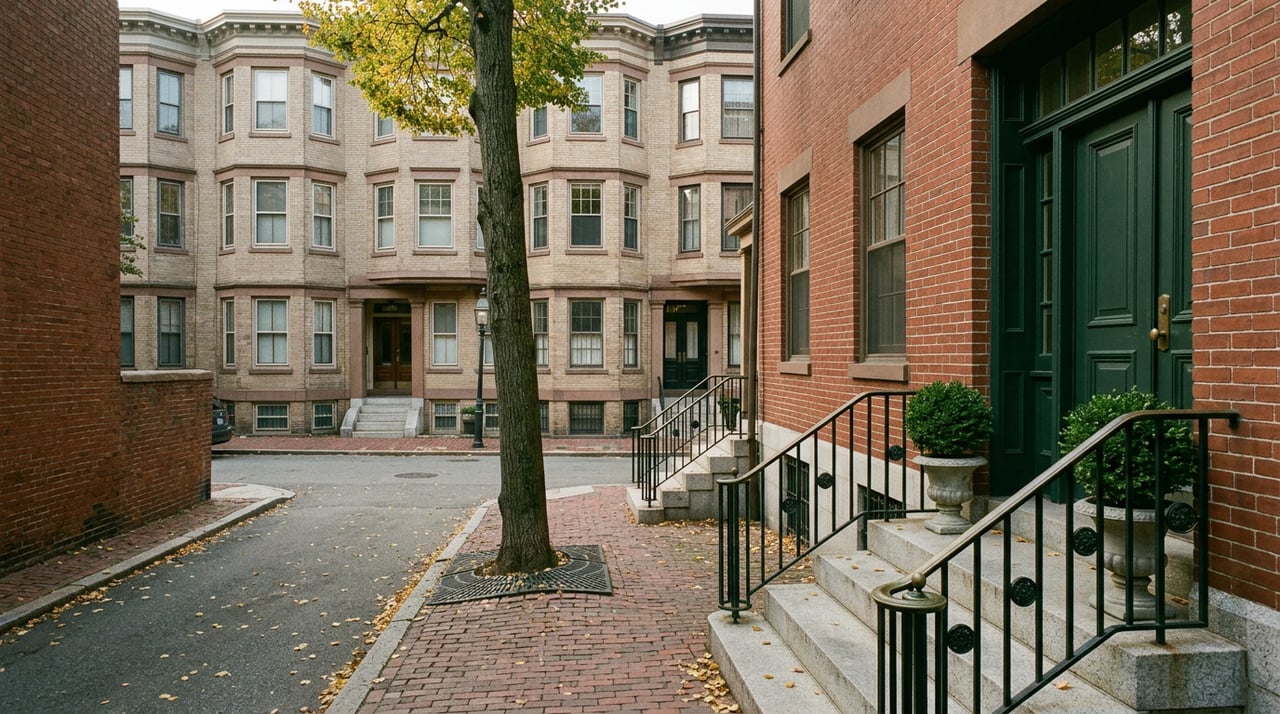
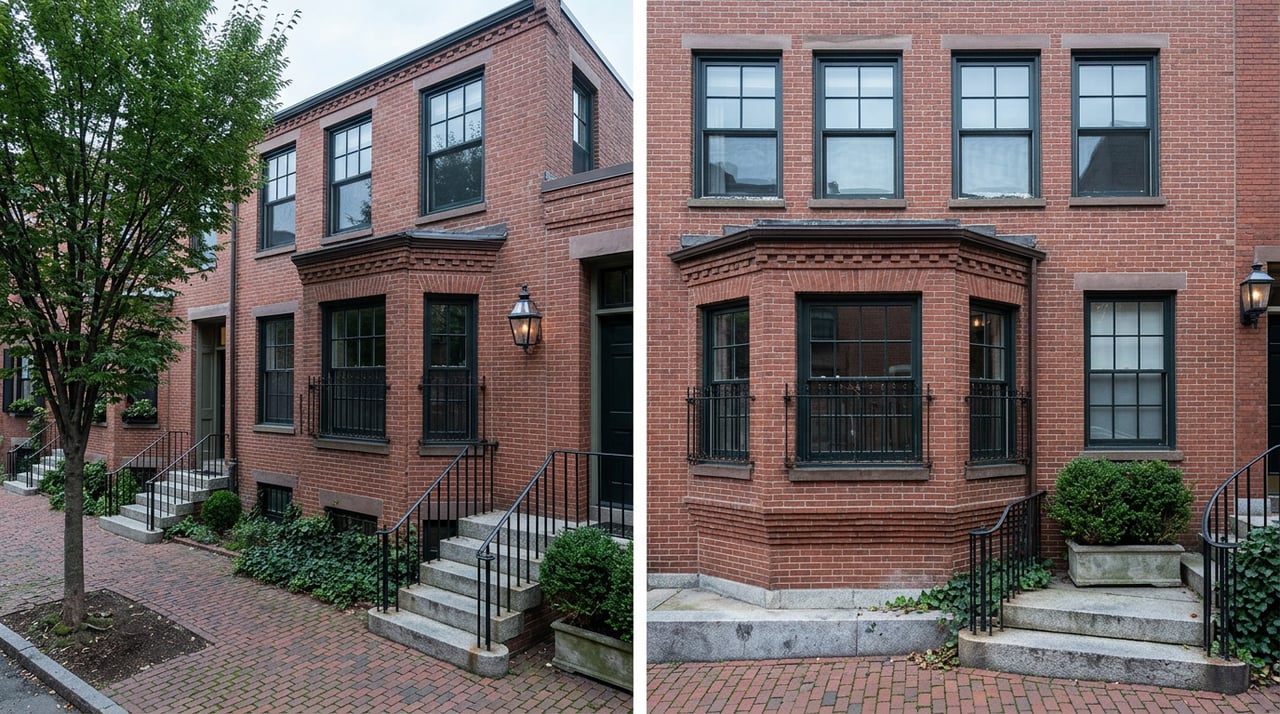
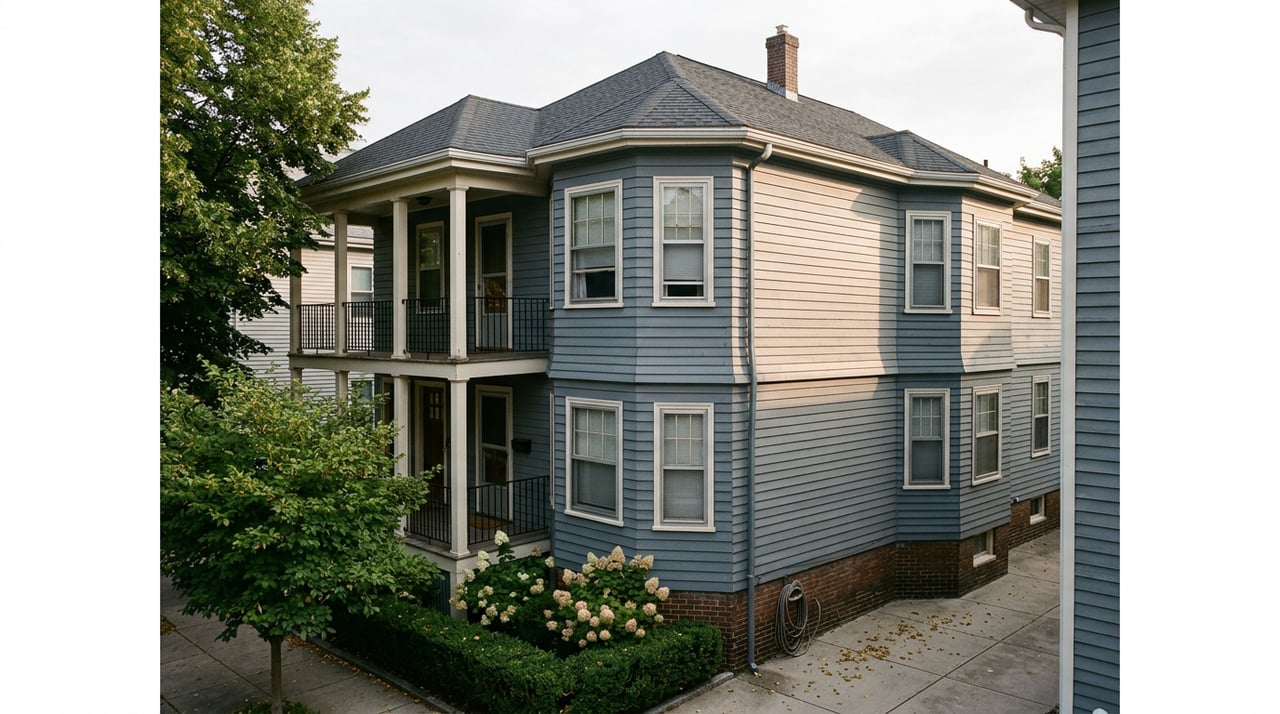
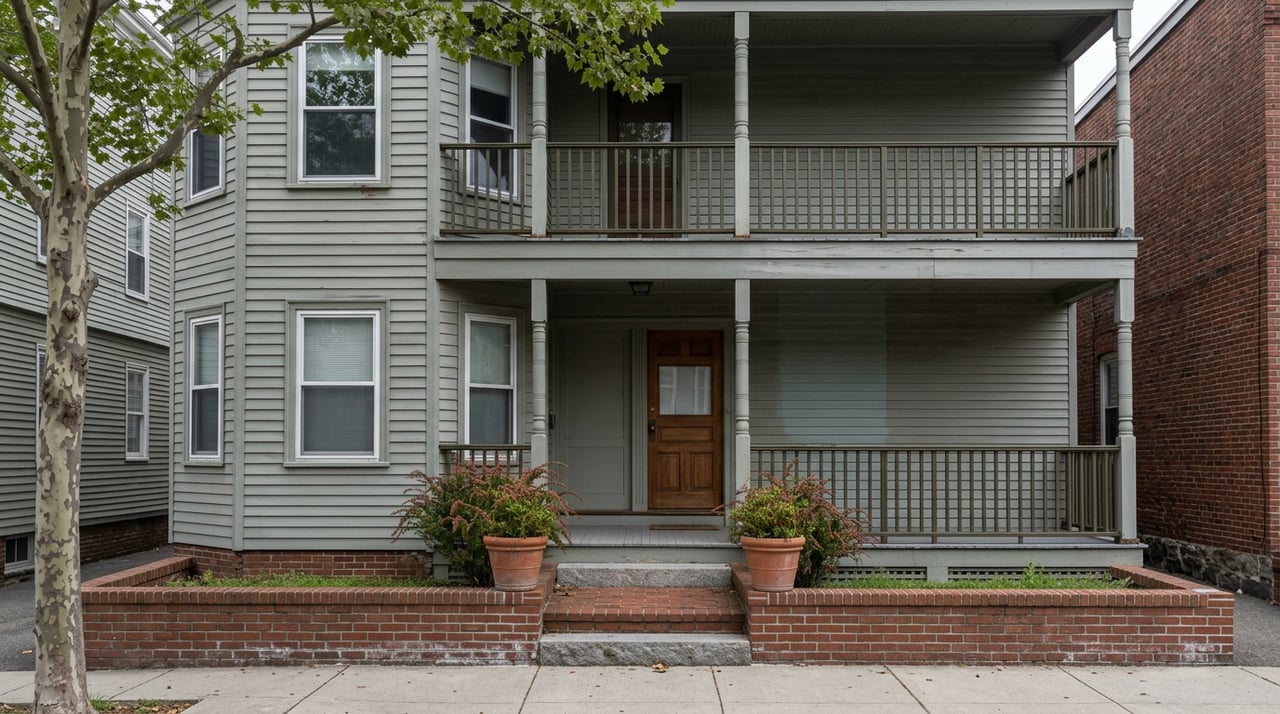
The local housing stock supports this approach. Boston describes Allston’s side streets as lined with wooden triple-decker houses, while Brighton includes triple-deckers, single-family homes, and brick apartment buildings.
That mix is important because house hacking is usually easiest in properties that naturally allow some separation between owner space and rental space. In Allston and Brighton, the building types often align with that goal, especially for owner-occupant multifamily purchases or condos where you live in the home and rent part of the space if allowed.
Rental Numbers to Use as Planning Ranges
If you are trying to see whether the math could work, start with realistic rental ranges rather than best-case assumptions. A UMass Boston off-campus housing snapshot updated March 10, 2026 showed active listing averages in Allston of $2,352.31 for studios, $2,116.76 for one-bedrooms, and $3,347.09 for two-bedrooms.
In Brighton, the same snapshot showed active listing averages of $2,568.30 for studios, $2,330.22 for one-bedrooms, and $2,936.15 for two-bedrooms. Because these are based on active listings, they are best used as planning ranges, not guaranteed rent outcomes.
That distinction is important. Your actual rent will depend on the unit condition, layout, location within the neighborhood, timing, and whether you are renting a full unit or just part of your home.
Why Turnover Can Help First-Time Owners
Rental-heavy neighborhoods tend to have regular turnover, which can help first-time owner-landlords find tenants or roommates more easily. A 2021 Boston city report using 2019 data found that nearly 80% of housing units in Allston-Brighton were renter-occupied.
The same report said 30% of Allston householders had moved into their current unit within the prior three years. That does not guarantee quick leasing, but it does suggest a market where movement is common and demand for rental housing remains active.
Condo vs. Small Multifamily
One of the biggest questions is whether a condo or a two-to-four-family property is the better first purchase. The right answer depends on your budget, comfort level, and how hands-on you want to be.
When a condo may make sense
A condo can be a simpler entry point if the purchase price is lower than a multifamily option. It may also feel more manageable if you are new to homeownership and want fewer building systems to oversee.
But condo house hacking comes with extra review work. Massachusetts says condominiums are privately owned and governed by master condominium documents, the deed, and bylaws, so you need to confirm what is allowed before you count on any rental income.
When a 2-4 family may make sense
A small multifamily often gives you more direct control over rental use and a clearer house-hack structure. If you live in one unit and rent the others, the rental income may offset more of your monthly housing cost than a roommate-style condo setup.
That said, a multifamily usually means more responsibility from day one. You are not just buying a home. You are also stepping into the role of landlord, building operator, and compliance manager.
Financing Paths First-Time Buyers Should Know
For many first-time buyers, the most relevant starting points are FHA and MassHousing. HUD says FHA loans can be used for one-to-four-unit properties and may require as little as 3.5% down.
MassHousing says its first-time buyer programs can be used for single-family homes, condos, or two-to-four-family properties. Its June 2025 announcement also expanded statewide down payment assistance to as much as $25,000 for income-eligible first-time buyers.
The big picture is simple: house hacking is not just about finding a property with rental potential. It is also about whether you can qualify for owner-occupied financing, how much cash you need upfront, and how a lender will view the property type.
Why Condo Rules Matter Early
If you are leaning toward a condo, review the governing documents as early as possible. Rental policies, occupancy rules, and building finances can all affect whether the property works for your plan.
FHA also says condo projects must meet separate approval standards that include factors such as owner occupancy and project financial condition. Even if you qualify personally, the project itself can shape your financing options.
A good rule of thumb is to avoid assuming any condo can be rented the way you want. The better move is to verify the documents first, then build your budget around what is actually permitted.
The Compliance Side of House Hacking
Once you rent part of your property, you take on more than a mortgage payment. In Boston, owners of rental property must register it every year by July 1, and the city says registered properties are inspected at least once every five years.
That means your job does not end at closing. You need a plan for registration, inspections, maintenance, and recordkeeping so the property stays compliant while you live there.
Security deposit rules in Massachusetts
Massachusetts has specific rules for handling security deposits. The state says the deposit must be placed in a Massachusetts bank in an interest-bearing account within the first month of the tenancy.
The landlord must also provide a signed statement of the property’s condition within 10 days of collecting the deposit. For a first-time owner, details like this matter because small administrative mistakes can create bigger problems later.
Lead paint in older housing
Lead paint is a serious consideration in older Boston housing. Massachusetts Lead Law requires the removal or covering of lead paint hazards in homes built before 1978 where children under 6 live, and the state says owners are responsible for compliance, including owners who live in their own single-family homes.
That is especially relevant in Allston and Brighton because the housing stock includes many older triple-deckers and brick buildings. If you are buying an older property, this issue belongs on your due diligence list from the start.
Fair housing responsibilities
As a landlord, you also need to follow fair housing laws. Massachusetts says housing providers may not discriminate in the sale or rental of housing based on characteristics such as familial status, source of income, disability, race, religion, sex, age, sexual orientation, gender identity, marital status, or veteran status.
That applies when renting a unit and when screening prospective occupants for a house-hack setup. Clear, consistent screening practices help protect both you and your future tenants.
Be Careful With Short-Term Rental Assumptions
Some buyers are tempted to underwrite a house hack using short-term rental income. In Boston, that can be risky.
The city says short-term rentals are allowed only in certain owner-occupied property types. Because of those limits, short-term rental income is not a reliable baseline for planning a first house hack in Allston or Brighton.
Why Property Management Can Help
For many first-time buyers, the hardest part of house hacking is not finding the idea. It is managing the transition from owner to landlord while still working, commuting, and handling everyday life.
That is where professional support can add real value. Tenant placement, lease administration, rent collection, maintenance coordination, inspection timing, and compliance reminders all become more important once the property starts producing income.
In condo situations, management can also help you stay organized around association rules and rental-related logistics. For busy buyers, having one accountable partner across purchase, leasing, and management can make the strategy feel much more workable.
A Smart Way to Evaluate the Opportunity
Before you move forward, focus on a few basics:
- Compare condo and multifamily options based on your budget and comfort level
- Use active rental listings as planning ranges, not promises
- Confirm whether owner-occupied financing fits the property type
- Review condo documents early if the property is not a multifamily
- Understand Boston registration and inspection requirements
- Learn Massachusetts rules for deposits, lead paint, and fair housing
- Decide whether you want help with tenant placement or ongoing management
Allston and Brighton can be strong neighborhoods for a first house hack because the rental base is deep, the housing types can support owner-occupant strategies, and the renter pool is broad. But the best outcomes usually come from careful planning, not just chasing a headline idea.
Boston is also changing, and Allston-Brighton is not static. The city says the Allston-Brighton Community Plan will guide how new housing is built, how people move around the area, and where new zoning may be proposed, so your decision should include both today’s rental demand and the neighborhood’s longer-term direction.
If you are exploring whether a condo, triple-decker, or small multifamily is the right first move in Allston or Brighton, Urban Circle Realty can help you think through the purchase, leasing strategy, and ongoing management with clear, local guidance.
FAQs
Is house hacking realistic for first-time buyers in Allston and Brighton?
- Yes. Allston and Brighton both have renter occupancy rates well above the Boston average, which can make it easier to find tenants or roommates if the property and rules support your plan.
Is a condo or multifamily better for house hacking in Allston/Brighton?
- A condo may offer a lower entry point, while a two-to-four-family home may offer more direct rental potential. The better option depends on your budget, financing, and how much responsibility you want to take on.
How much rent can a property in Allston or Brighton bring in?
- Recent active listing averages suggest useful planning ranges, but your actual rent will depend on unit type, condition, layout, and timing. Treat listing data as a guide rather than a guarantee.
What should buyers review before house hacking a condo in Boston?
- Review the master deed, bylaws, and other condominium documents early so you can confirm rental rules, occupancy limits, and any issues that could affect financing or future leasing.
What landlord rules apply after buying a house-hack property in Boston?
- Boston requires annual rental property registration by July 1 and periodic inspections. Massachusetts also has rules for security deposits, lead paint compliance in certain older homes, and fair housing practices.
Can buyers use short-term rentals to make the numbers work in Allston/Brighton?
- You should be cautious. Boston allows short-term rentals only in certain owner-occupied property types, so they are not a reliable assumption for underwriting a first house hack.