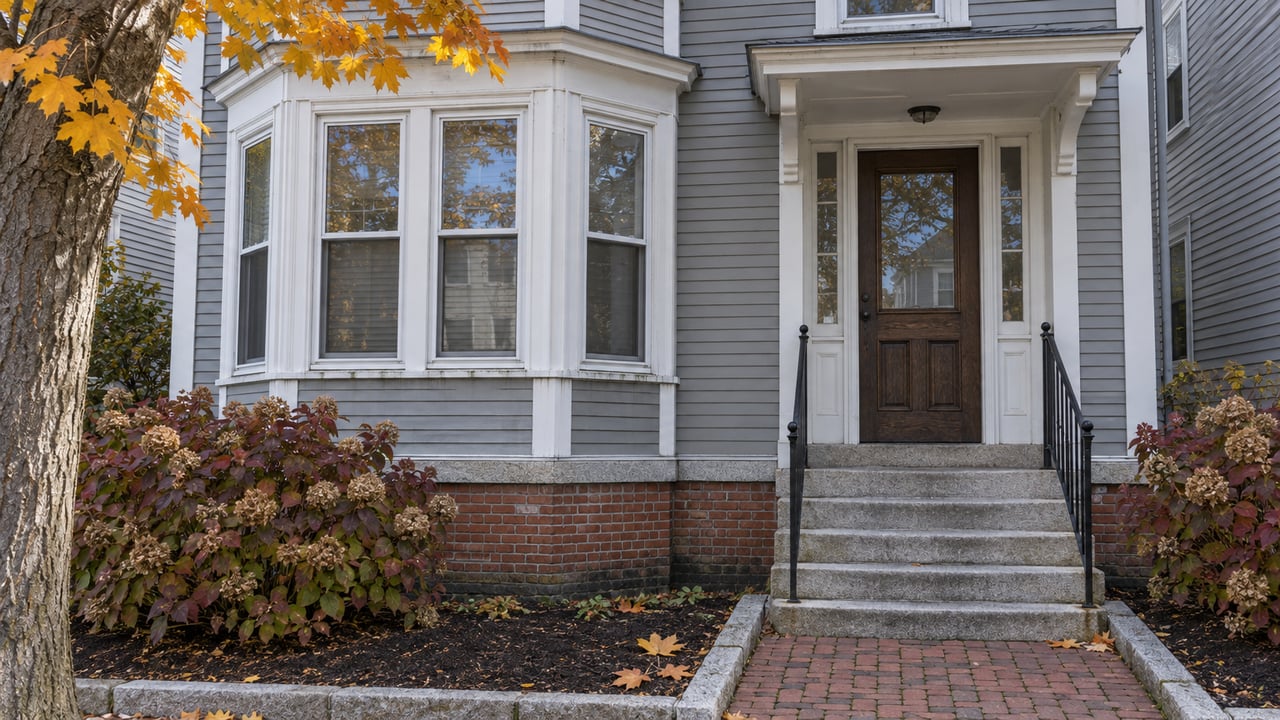
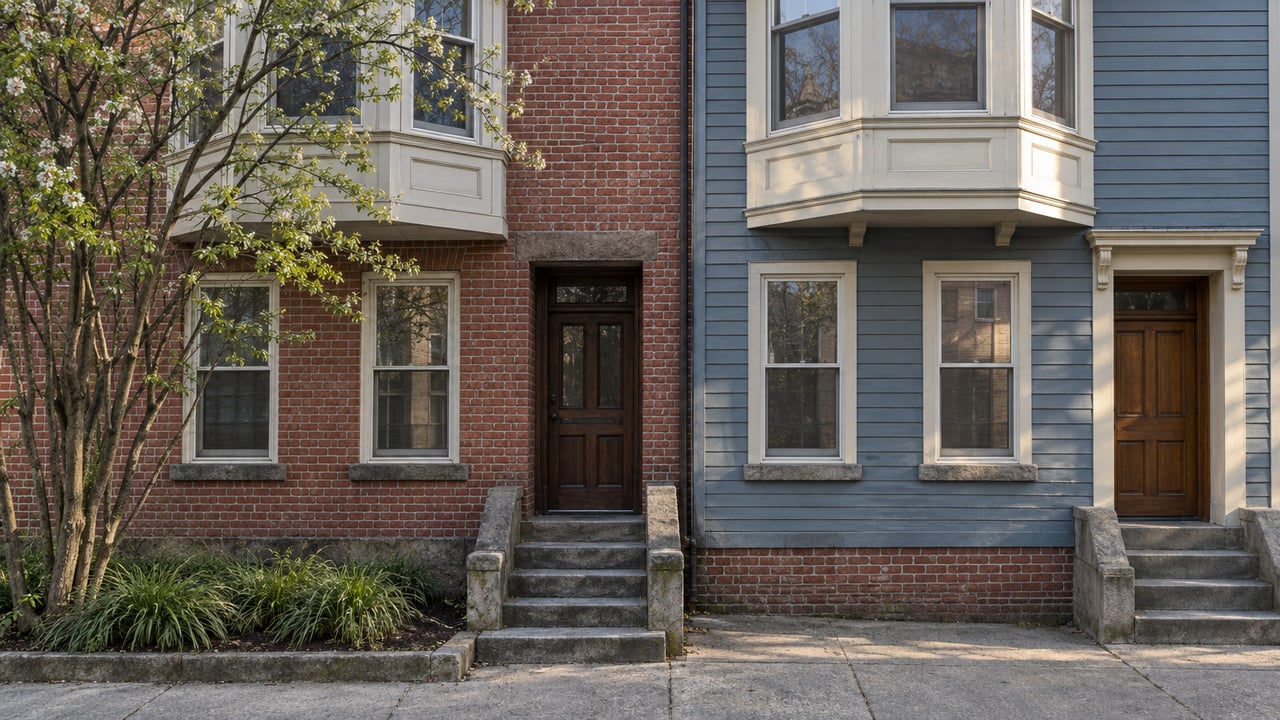
Thinking about buying a condo in East Boston but want the option to rent it later? You are not alone. Many buildings near Jeffries Point and the waterfront use rental caps and lease rules that can shape your plan. In this guide, you will learn how these rules work, how they affect financing and resale, and the exact documents and questions to use in your due diligence. Let’s dive in.
Rental caps 101
Rental caps and lease restrictions are set at the condominium level. They live in the recorded declaration or master deed, the bylaws, and the building’s rules and regulations. In Massachusetts, these governing documents are enforceable under the state’s condominium law. City rules may also apply to certain uses, but they do not replace what the association’s documents require.
Common rules you will see
- Hard percentage cap on leased units, such as a fixed share of units that can be rented at any time.
- Owner-occupancy minimums, like a requirement to live in the unit for a set period before leasing.
- Minimum lease terms, often between 6 and 12 months, with most buildings prohibiting short stays.
- Waiting lists and grandfathering when the cap is reached, sometimes with priority rules for the order of approvals.
- Application processes, fees, and tenant screening steps managed by the association or property manager.
- Board discretion in some buildings to grant temporary waivers or case-by-case approvals, while others keep strict, nonwaivable caps.
How enforcement and changes work
Associations can enforce leasing rules with fines, legal action, or other remedies described in the documents. The history of enforcement matters, so you should verify how consistently rules are applied. Amendments to rental provisions usually require a high unit-owner vote. It pays to check the approval threshold and whether the rules have changed over time.
Where to find the rules
Ask for the recorded declaration or master deed and all amendments, the bylaws, the latest rules and regulations, and the current leasing policy. Meeting minutes can reveal how the board handles waivers, waitlists, and enforcement.
Why caps matter for your financing
Lenders look at the condo project, not just your unit. High investor concentration or a high share of leased units can affect loan programs and pricing.
Conventional loans
Conventional lenders follow Fannie Mae and Freddie Mac project-eligibility standards. They review owner-occupancy, single-entity ownership, reserves, and insurance. Many lenders request a condo questionnaire and a current owner-occupied versus leased count. Projects with a high investor mix may face stricter lender overlays.
FHA and VA loans
FHA and VA both use project approval processes for condos. Projects with higher rental percentages often need project-level approval, and some may not qualify. If you plan to use FHA or VA financing, confirm approval status early, and allow time for project review if needed.
What this means for you
- Financing options can narrow if the project is not eligible for FHA or VA, which can reduce your future buyer pool at resale.
- Rates and down payments can rise if lenders see elevated rental concentrations.
- Early verification helps: request the condo questionnaire and a current rental registry as soon as you are serious about a property.
Resale and investment impacts in East Boston
East Boston’s waterfront and Jeffries Point are popular with renters due to views, transit access, and proximity to downtown. Strong rental demand can draw investors to many buildings.
Buyer pool and pricing
Rental caps usually shrink the investor pool and strengthen the owner-occupant pool. In some buildings, that can support values and foster a stable community. In others, fewer investor bidders can soften demand or lengthen days on market. Liquidity varies by building and depends on how strictly caps are enforced.
Short-term rentals
City rules require short-term rental registration and set operating limits. Many condo associations go further by prohibiting short stays or setting long minimum lease terms. If you hoped to pursue short-term rentals, confirm both city requirements and your association’s restrictions, since the condo’s rules often control.
Your due diligence checklist
Request these items as early as possible, ideally before or as a clear contingency in your offer:
- Recorded declaration or master deed and all amendments
- Bylaws and current rules and regulations, including leasing policy
- Current leasing application and procedures
- Current owner-occupancy and rental registry with date stamp
- Board meeting minutes from the past 12 to 24 months
- Current budget, most recent reserve study, and financial statements
- Master insurance certificate
- List of any pending or past litigation involving the association
- Copies of waivers or special lease approvals issued to other owners
- Any completed condo questionnaires for conventional, FHA, VA, or have management complete one early
Key questions to ask the association
- What is the exact rental cap, and how many units are currently leased?
- Is there a waiting list? How are positions prioritized, and how often do spots open?
- Are there owner-occupancy minimums before leasing is allowed?
- What is the minimum lease term? Are short-term stays prohibited?
- Has the board granted or denied waivers recently? On what basis?
- Are there leasing fees, tenant screening steps, or owner-in-good-standing requirements?
- Are any amendments to leasing rules being discussed or voted on?
- Has the project lost or been denied FHA or VA approval in the past?
- What percentage of owners are delinquent on assessments?
- Is there pending litigation, and what is the reserve fund balance?
Offer strategies when rentability matters
- Add a contingency that lets you confirm in writing that the unit can be leased as you intend. For example, require written confirmation from management that the unit may be leased upon closing under current policy.
- Ask the seller to provide a current rental registry and a letter from management confirming the project’s status against the cap.
- If you need FHA or VA, include a project-eligibility contingency that allows you to cancel if the building is not approved in time.
Timeline tips
- Condo questionnaires, association letters, and project-level approvals take time. Request them early in your contingency window.
- If the building uses a waitlist, ask for waitlist documentation and turnover history so you can plan cash flow.
- Build a cushion in your closing timeline if project approval or board confirmation is needed.
East Boston nuances to watch
- Many new or recently converted buildings near the waterfront may start with investor-friendly policies, then tighten rules once turnover to owner control occurs. Verify any pending amendments.
- Boutique associations may use strict caps, longer minimum lease terms, or no short-term rentals. Confirm how strictly the board enforces the rules by reviewing minutes.
- Typical caps can range by building. Some associations choose a 10 to 30 percent cap, but you should verify the current percentage and actual utilization in the building you are considering.
Work with a local, end-to-end partner
If rental optionality is important, you benefit from a team that understands both acquisition and leasing. Urban Circle Realty pairs local condo expertise with tenant placement and property management. You get one accountable partner to help you source the right building, verify rentability, place a tenant, and manage operations.
Ready to evaluate a specific East Boston condo and its rental rules? Connect with the team at Urban Circle Realty for clear guidance, document review support, and an offer strategy tailored to your goals.
FAQs
How do condo rental caps work in East Boston buildings?
- Associations set caps in the recorded documents and rules, limit the share of units that can be leased, and enforce them through approvals, waiting lists, and fines when needed.
Can you do short-term rentals in an East Boston condo?
- Many associations prohibit short stays or require long minimum terms, and the city requires registration for short-term use. Check both the condo rules and city requirements.
How do rental caps affect FHA or VA financing on a condo?
- High rental concentrations can make project approval harder or slower, reducing the chance to use FHA or VA unless the building is already approved or can be approved in time.
What documents should you review before buying a condo you plan to rent?
- Ask for the declaration and amendments, bylaws, rules, leasing policy, rental registry, minutes, budget and reserves, insurance, litigation history, and a current condo questionnaire.
How can you confirm a unit can be rented right after closing?
- Require written confirmation from management that your unit can be leased upon closing under current policy, or add a lease-eligibility contingency to your offer.
Do condo rental caps change often in East Boston?
- Changes require an amendment process with a high owner vote in many buildings, so frequent changes are uncommon. Review minutes to see if updates are being considered.