Buying or selling a condo in Boston’s North End and worried about the appraisal? You are not alone. In a neighborhood filled with historic buildings, small footprints, and one-of-a-kind floor plans, nailing the value can feel tricky. In this guide, you’ll learn how condo appraisals actually work here, what drives value in the North End, how to prepare, and what to do if the number comes in low. Let’s dive in.
Appraisal basics for North End condos
An appraisal is an independent opinion of market value as of a specific date. Lenders rely on it to set loan amounts, and buyers and sellers use it to sanity-check a price.
Appraisers use three approaches, but the Sales Comparison Approach usually carries the most weight for urban condos. The Cost Approach has limited impact in established neighborhoods, and the Income Approach applies only when rental income is the main driver. In Massachusetts, licensed appraisers follow USPAP and lender reporting standards.
The process is straightforward:
- Assignment intake by the lender and sharing of the purchase contract.
- Research and selection of recent comparable condo sales.
- Physical inspection of the unit and common areas.
- Analysis and adjustments to reconcile the best-supported value.
- Report delivery to the ordering party, typically within 2 to 10 business days after the inspection, depending on complexity.
Why sales comps rule here
The North End’s charm comes with complexity. Units often vary by floor plate, exposure, ceiling height, and level of renovation. True same-floor-plan comps can be scarce, so appraisers prioritize sales in the same building first, then expand to nearby, similar buildings if needed.
Small square footage is common and can push the price per square foot higher than you might expect. In tight spaces, small measurement differences can move the per-square-foot number a lot. Floor level and views matter, and parking and storage carry outsized impact because supply is limited.
Association health also plays a role. For older conversions, appraisers and lenders look closely at reserves, insurance, and any pending assessments that could affect marketability.
What appraisers look for
Comparable sales that fit
Best case, the appraiser finds recent sales in the same building with the same or very similar floor plan. If those are not available, the search shifts to nearby properties with comparable vintage, condition, floor, exposure, and amenities. A 6 to 12 month window is common, but in low-inventory stretches, older comps can be used with time adjustments.
Condition and renovations
Quality updates to kitchens, baths, mechanicals, windows, and insulation typically support higher value. Permits matter. Appraisers give more weight to work that was permitted and completed by licensed professionals. Unpermitted renovations may be ignored or can trigger negative adjustments for condition or marketability.
Square footage accuracy in small units
Appraisers may rely on public records, architectural plans, or their own measurements. In a small North End condo, a 20 to 40 square foot difference can noticeably shift the math, so documentation helps. A clear, scaled floor plan is a plus.
Floor, light, and outdoor space
A cellar-level unit does not compete head-to-head with a top-floor walk-up flooded with natural light. Floor level, exposure, and view are major drivers. Private balconies, roof decks, or yard access can add meaningful value as well.
Parking, storage, and building health
Deeded parking or an assigned space is a strong positive. Storage lockers also help. Association finances, reserve levels, the master insurance policy, pending or recent special assessments, and rental restrictions influence lender acceptance and marketability, which can impact value.
North End nuances that affect value
Historic fabric and limits
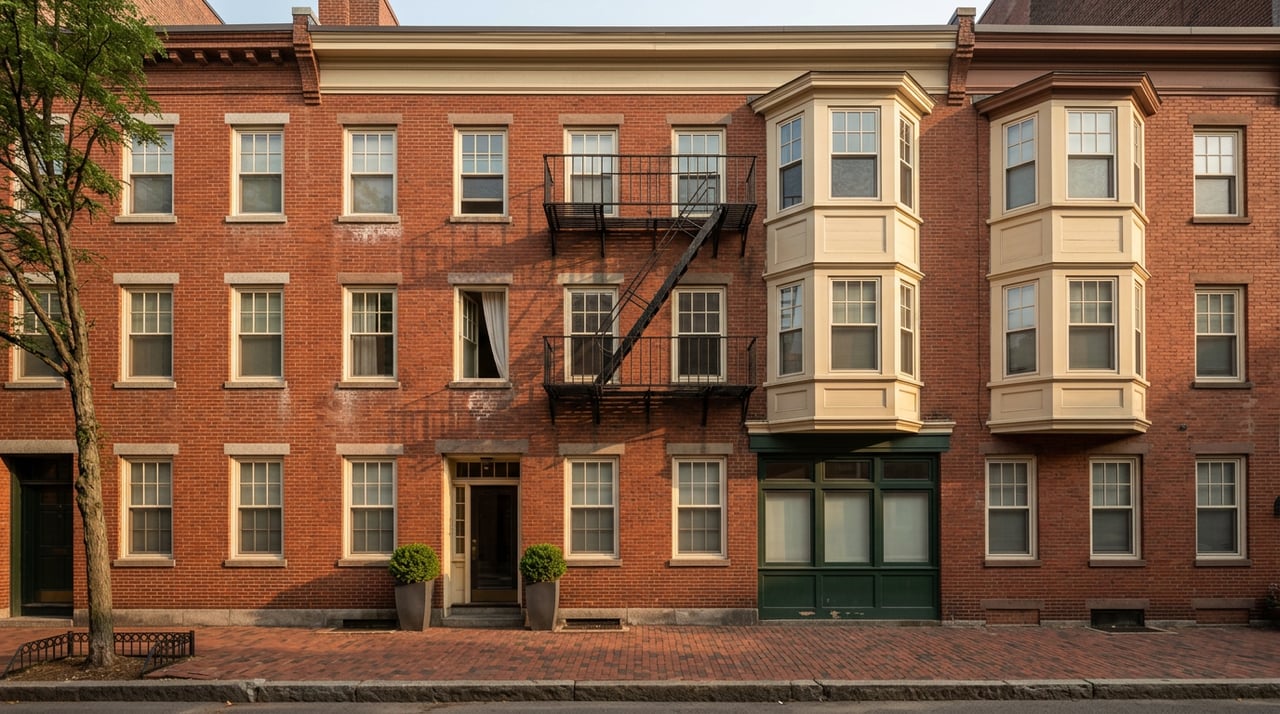
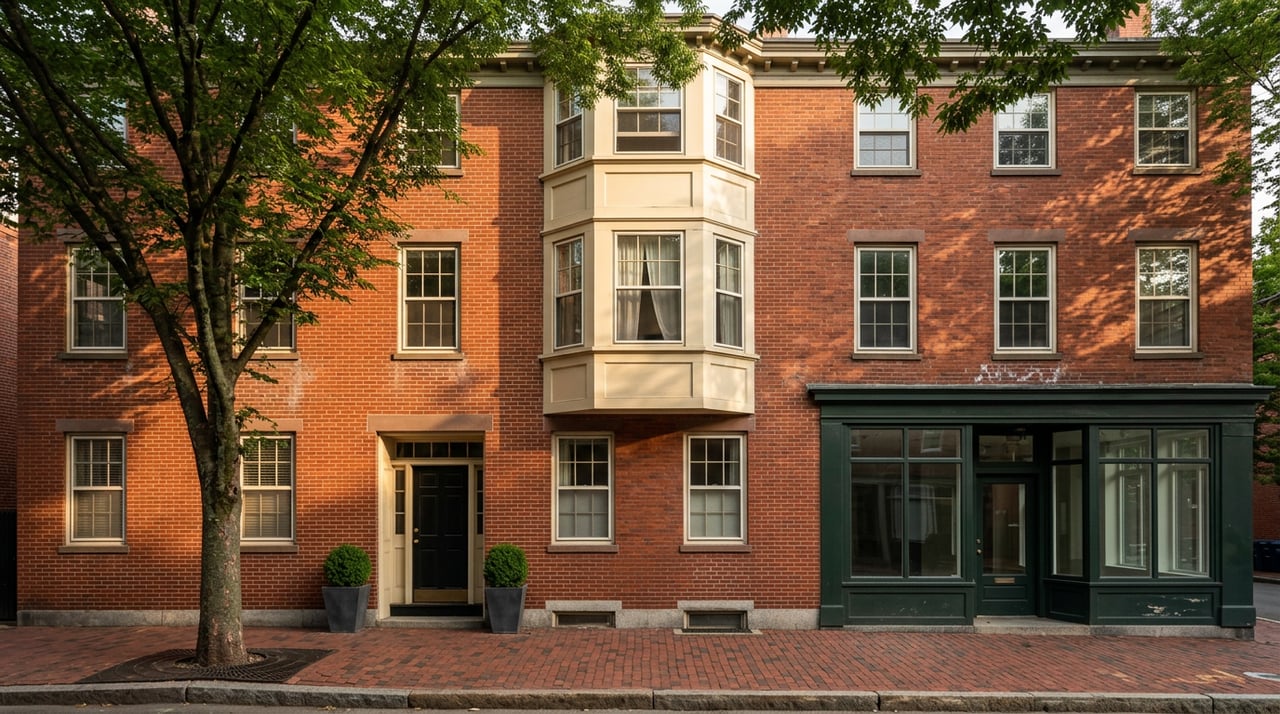
Much of the North End features pre-1900 buildings and a protected streetscape. Exterior changes and full-building renovations often face review under local historic guidelines. While that can limit certain updates, it also helps preserve neighborhood character, which supports demand and can reduce long-term depreciation concerns.
Functional utility
Some units have long, narrow layouts, quirky bedroom access, or lower ceiling heights. Appraisers may apply a functional obsolescence adjustment if a floor plan limits everyday usability. Conversely, a smart layout with good storage and circulation can help a small space live larger.
Project-level factors
In older conversions, the condition of shared systems and common elements is important. Recently upgraded roofs, plumbing, electrical, or heating can support stability. Low reserves or recurring assessments can pressure value because they increase ownership costs and risk.
Seller prep checklist
Give the appraiser a complete, organized package. It helps them verify details and reduces the need for conservative assumptions.
- Recent comparable sales you used to price the unit, with sale dates and prices.
- A detailed improvements list with dates, contractor names, and copies of permits for major work.
- Condo docs: master deed, bylaws, latest budget, reserve study if available, meeting minutes, and the master insurance declaration page.
- Proof of deeded parking or storage and any recorded easements.
- A measured floor plan or architectural plans that confirm square footage.
- Utility cost information and recent property tax or assessment info.
Buyer tips for smoother appraisal
Help the process move quickly and reduce uncertainty.
- Ensure the appraiser has easy access to all spaces and any amenities listed in MLS.
- If you or the seller completed work, provide documentation and permits for recent renovations.
- Understand that building-level items like low reserves or pending assessments can limit loan options or value.
- Expect the appraiser to prioritize same-building and similar nearby comps. If those are scarce, older sales with time adjustments may be used.
If the appraisal comes in low
Low appraisals happen, especially with few same-building comps or fast-moving markets. Common causes include reliance on older or less comparable sales, discounts for unpermitted work, or project-level concerns like low reserves.
You have options:
- Renegotiate the purchase price.
- Bring additional cash to cover the gap between price and appraised value.
- Request a reconsideration of value. Provide stronger comparable sales the appraiser may have missed and proof of permits or building improvements.
- Ask about a second appraisal or a review appraisal if your lender allows it.
- Use your appraisal contingency to cancel if you cannot reach a solution.
Lenders base maximum loan amounts on the appraised value. In some cases, programs that address appraisal gaps may be available, but policies vary. Your best support is objective, new information that improves the appraiser’s data set.
Timeline: what to expect
Most appraisals follow a predictable sequence:
- The lender orders the appraisal and sends the contract and loan details.
- The appraiser researches recent sales and schedules the inspection.
- The appraiser inspects the unit, notes condition, upgrades, floor level, exposure, and amenities like parking or storage.
- The appraiser analyzes comps, makes adjustments for differences, and finalizes the report.
- The lender receives the report. In metro Boston, delivery is typically 2 to 10 business days after the inspection, depending on complexity.
Top 7 items appraisers note
- Comparable sales in the same building or the closest match nearby.
- Permits and quality for kitchen, bath, and mechanical upgrades.
- Overall condition and level of finish.
- Accurate square footage and a clear floor plan.
- Floor level, exposure, natural light, and any views.
- Deeded parking, storage, and outdoor space.
- Association health, including reserves, insurance, and any assessments.
Work with a local expert
You deserve a clear plan and a smooth appraisal process. If you are pricing a listing, buying your first North End condo, or adding to an investment portfolio, a local, owner-led team can help you set the right expectations, assemble the right documentation, and negotiate confidently if value comes in short.
For boutique guidance grounded in central Boston condo markets, connect with Urban Circle Realty. Our team pairs market mastery with high-touch service, and we support owners through the full lifecycle, from purchase to leasing to management.
FAQs
How long do Boston condo appraisals take?
- Most lender appraisals are delivered 2 to 10 business days after the inspection, depending on complexity.
Which comps matter most for North End condos?
- Sales in the same building with a similar floor plan carry the most weight, followed by nearby buildings with comparable vintage, condition, floor, and exposure.
Do renovations always increase my appraisal?
- High-quality, permitted renovations typically support value, while unpermitted work may be ignored or result in negative adjustments.
How do parking and storage affect value?
- In the North End, lack of parking is often a negative adjustment, while deeded parking and storage usually add value.
What can I do if my appraisal is low?
- Renegotiate, bring cash to cover the gap, request a reconsideration of value with better comps and permits, seek a second appraisal if allowed, or use your contingency to cancel.
Can the condo association impact my appraisal?
- Yes. Reserves, insurance, special assessments, owner-occupancy levels, and overall building condition influence lender acceptance and marketability, which can affect value.