Wondering what day-to-day life in Boston’s Seaport really feels like? If you want waterfront views, modern buildings, and a short commute, this neighborhood will likely be high on your list. At the same time, you may be weighing costs, parking, and the pace of a busy entertainment district. In this guide, you’ll get a clear view of lifestyle, housing, transit, and practical tradeoffs so you can decide if Seaport fits your goals. Let’s dive in.
Seaport at a glance
The Seaport District, also called the South Boston Waterfront or the Innovation District, sits just southeast of downtown along Boston Harbor. You’ll find a dense, modern mix of residences, offices, hotels, and cultural spaces across areas like Fan Pier and Seaport Square, with Fort Point right next door. Much of the neighborhood rose in the 2000s and 2010s, with ongoing projects adding new buildings and public spaces.
The resident profile skews toward urban professionals who value proximity to jobs, dining, and nightlife. You will see families as well, but long-term family households are less common than in older Boston neighborhoods. Higher-than-average incomes reflect the concentration of tech, creative, and corporate employers nearby.
Daily life and walkability
Within the core blocks, you can walk to most things you need. Restaurants, coffee, boutiques, fitness studios, and waterfront parks cluster together, and walking to the Financial District or downtown takes about 10 to 25 minutes depending on your destination. The streets were built recently with pedestrians in mind, though some larger avenues feel wider and more car-oriented.
On the waterfront, you will notice wind on certain days, especially on exposed blocks. Plan for that microclimate and you will settle into a routine that balances indoor amenities with outdoor views and fresh air. Many residents keep their errands nearby and rely on delivery for groceries and staples when schedules get tight.
Dining, bars, and shopping
Seaport’s dining scene is active and often evolves fast. You will find chef-driven restaurants, seafood spots, casual eateries, and rooftop bars, with frequent openings and pop-ups throughout the year. Nightlife is lively, and seasonal beer gardens and outdoor activations give the area a festival feel on warm days.
Traditional neighborhood retail is less common here. Instead, you will see more destination shops, showrooms, and national brands. If you prefer small, long-standing mom-and-pop stores, nearby older neighborhoods may offer more of that character.
Parks and the waterfront
Waterfront access is a major draw. The Harborwalk, Fan Pier Park, and small public plazas give you paths to stroll, benches to sit, and striking harbor views. The Institute of Contemporary Art anchors a lively section of the waterfront, with a public plaza and programming that adds energy to the area.
When the weather warms up, The Lawn on D becomes a go-to for outdoor events, art, and music. Harbor culture also includes ferries and water taxis, which can be useful for certain routes during the season. Kayak launches appear occasionally, and even casual time by the water can feel like a reset after work.
Groceries, services, and childcare
Supermarket options have grown as new residential buildings opened, and many residents supplement with delivery. Boutique fitness studios and gyms are easy to find, though they tend to serve a broader daytime crowd in addition to residents. Childcare exists in and around the Seaport, but demand can be high, so start your search early if that is important to you.
Homes and buildings
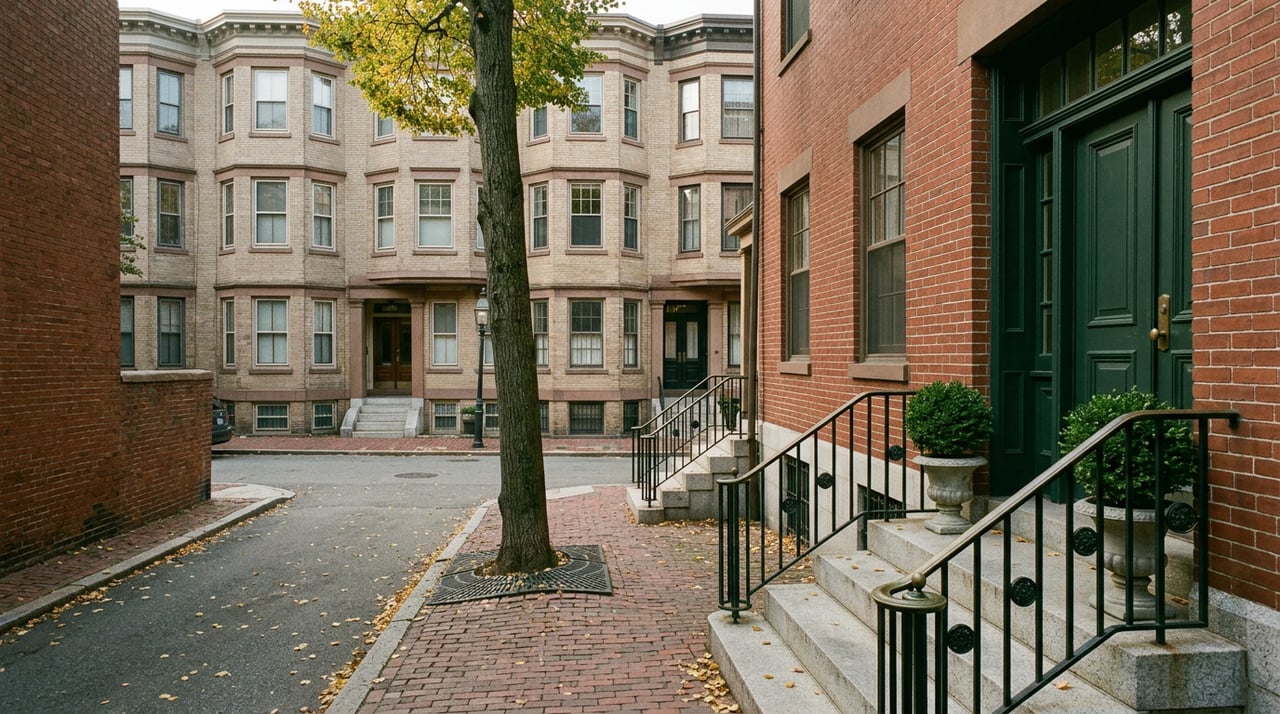
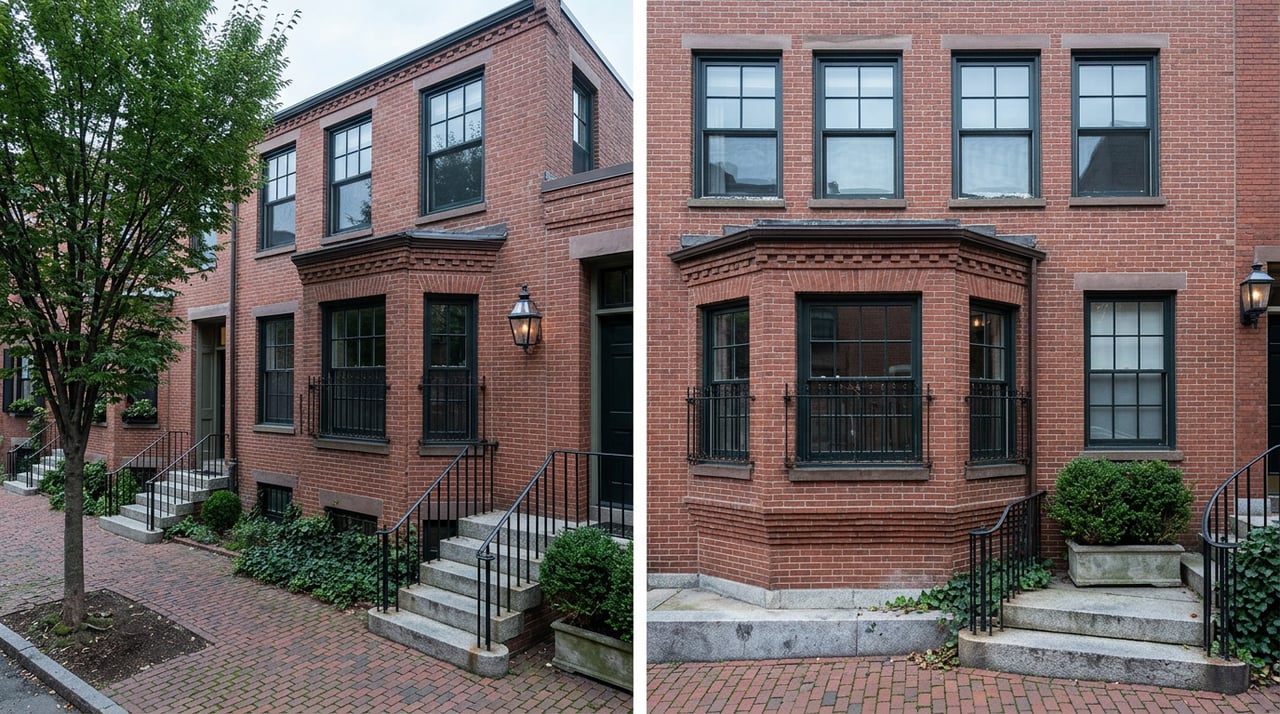
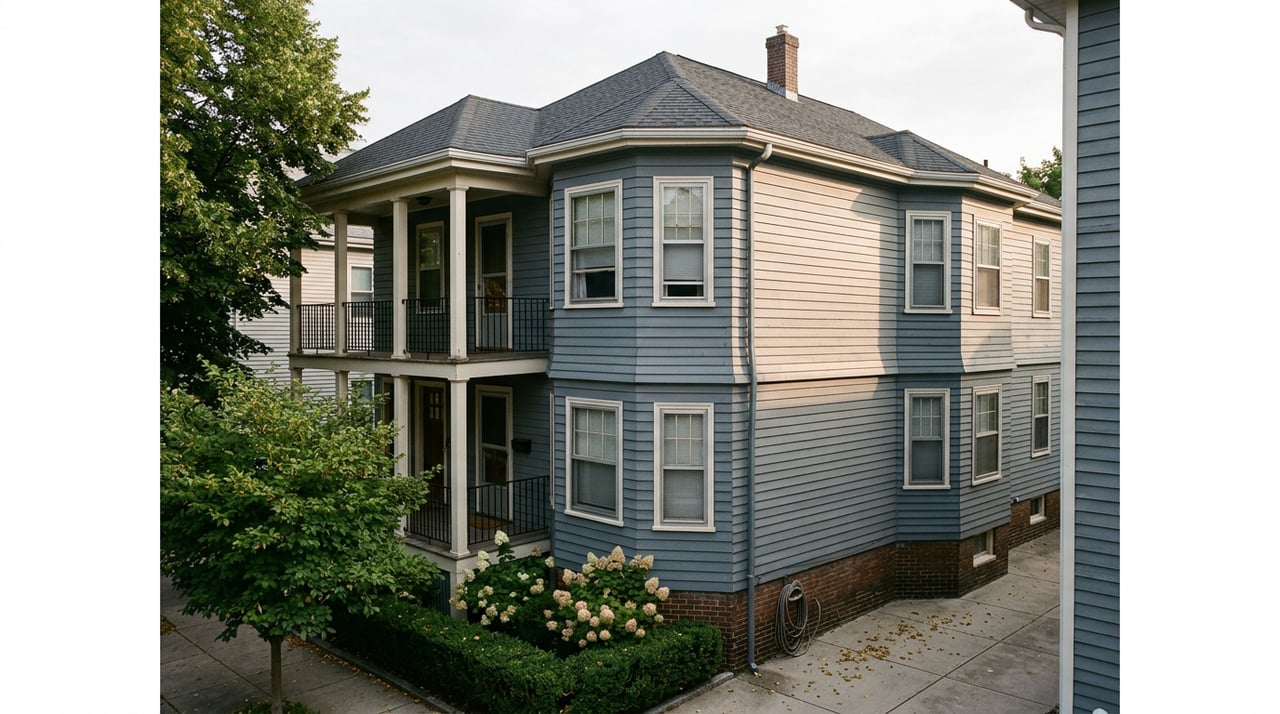
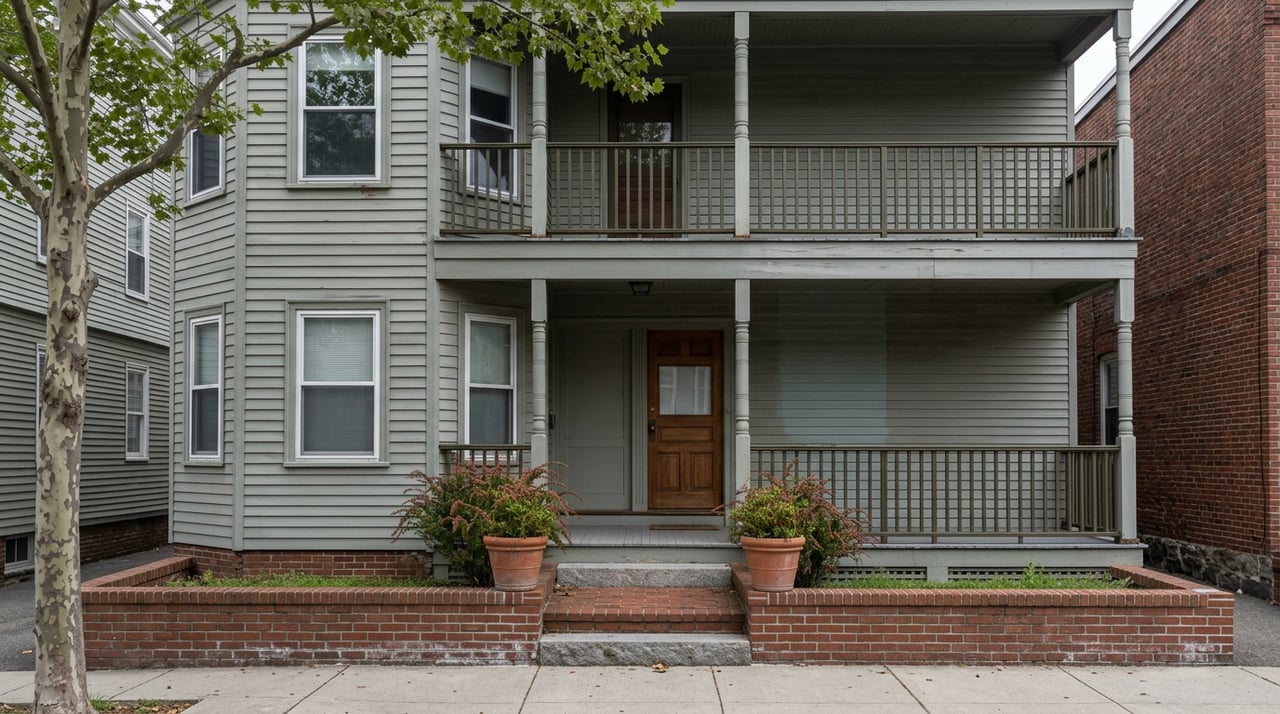
Housing here centers on new-construction condos and rental towers built from the 2000s onward. Layouts often include open living spaces, large windows, and higher-end finishes, with many buildings designed to capture harbor or skyline views. If you want classic rowhouses or triple-deckers, you will find far fewer of those in the Seaport compared with nearby neighborhoods.
Unit types range from efficient studios and one-bedrooms to larger two- and three-bedroom homes and penthouses. Common building features include in-unit laundry, elevators, secure entry, concierge, fitness centers, roof decks, and package rooms. Details vary widely by building and price point, so it helps to compare amenity lists side by side.
Costs and HOA fees
Seaport is one of Boston’s most expensive condo and rental markets. Prices and rents shift with new project deliveries and overall market cycles, so it is best to review current listings and recent sales before you set expectations. A local advisor can help you pinpoint value by building and floor height.
Condos typically include monthly HOA fees. These can be higher than in older buildings because they often cover modern mechanical systems, extensive common areas, and hotel-like amenities. Review what your fees include, from heat and hot water to building insurance and reserves. A healthy reserve fund and clear budget can offer peace of mind about future maintenance and assessments.
Parking and car ownership
Parking is limited and often comes at a premium. Many condos do not include a deeded space by default, and on-street residential parking is constrained. In practice, many residents rely on rideshare, the Silver Line, biking, Bluebikes, and car share when needed.
If you plan to own a car, budget for either a deeded garage spot or a monthly lease. Ask how guest parking works and whether your building offers EV charging, bike storage, and easy loading access. These details can make everyday life smoother, especially in winter.
Transit and commute
Seaport’s most consistent transit link is the Silver Line, which connects directly to South Station for commuter rail and subway transfers. From many buildings, you can walk to downtown or the Financial District in about 10 to 25 minutes. Biking is a realistic option thanks to dedicated and shared lanes, and you will find Bluebikes stations throughout the district.
For regional access, I-90 and central Boston are close by, but plan for congestion during rush hour and when conventions or concerts are in town. Logan Airport is a short trip by the Silver Line or a quick drive depending on traffic and route. Ferries and water taxis offer seasonal alternatives for select destinations across the harbor.
Climate and resilience
Seaport sits on low-lying land along the harbor, which means coastal flooding and sea-level rise are key topics. The City of Boston and local agencies are investing in resilience measures such as raised streets and shoreline protections. As a buyer, you should ask about a building’s flood mitigation features, elevation, and whether flood insurance is required.
Confirm the presence of backup systems, sump pumps, and any recent improvements to the immediate block. A proactive approach to resilience can add confidence to your purchase while protecting your long-term investment.
Safety and noise
Seaport experiences property and vehicle crime typical of busy commercial districts, with nightlife-related incidents sometimes increasing during big events. Many residents value controlled-access buildings, staffed lobbies, and secure package areas. Simple routines, such as not leaving valuables in cars and using garage storage, go a long way.
Street activity varies by block and by time of day. If you are sensitive to noise, touring both in the daytime and late evening will help you understand the rhythms around your building.
Is the Seaport a fit for you?
If you want modern conveniences, short commutes, and an active waterfront setting, the Seaport delivers. You will likely trade larger private space for location, skyline views, and building amenities. If you prefer a quieter, traditional residential vibe, you may want to compare nearby neighborhoods as well.
The key is to align your budget, lifestyle, and commute needs with a building that matches your priorities. With many new properties to choose from, the right fit often comes down to floor, view, amenity package, and the feel of the immediate block.
Condo showing checklist
Use this quick checklist when you tour:
- Building age, warranty status, and developer reputation
- HOA financials, reserves, budget, and any recent or upcoming assessments
- Pet rules, rental policies, and any short-term rental restrictions
- Flood and foundation details, elevation, past water incidents, pumps and drains
- Unit systems, including HVAC, hot water, in-unit laundry, and ventilation
- Elevator condition, capacity, and backup power for critical systems
- Amenity access and rules, guest policies, and any use fees or membership limits
- Parking type, deeded vs. leased, EV charging, and bike storage
- View corridors, wind exposure, and potential entertainment noise at night
- Recent comparable sales in the building and immediate area
Renting and investing
Rental demand from professionals is strong, and many buildings allow investor ownership. Short-term rental rules vary, and city regulations and condo documents may limit or prohibit Airbnb-style use. Review building policies carefully if investment flexibility is a priority.
If you plan to hold a unit as a long-term asset, factor in HOA fees, parking costs, and potential assessments alongside rent projections. A coordinated plan for acquisition, tenant placement, and ongoing management can streamline ownership and protect returns.
Ready to explore Seaport condos or compare buildings by amenities and fees? Reach out for a tailored shortlist and on-the-ground guidance. Connect with Urban Circle Realty to start a focused search that matches your lifestyle and budget.
FAQs
How expensive is housing in Boston’s Seaport District?
- Seaport is among Boston’s most expensive condo and rental markets; review current listings and recent sales to set expectations before you tour.
What is the commute like from the Seaport to downtown Boston?
- You can walk to the Financial District in about 10 to 25 minutes, or take the Silver Line to South Station for fast connections across the city.
Is parking usually included with Seaport condos?
- Many units do not include parking by default; expect deeded or leased garage options at added cost and limited on-street parking nearby.
How noisy is Boston’s Seaport District at night?
- The district has active nightlife and event venues, so sound levels vary by block; tour during the evening to gauge your comfort.
How vulnerable is the Seaport to flooding and what should I ask?
- The area is low-lying; ask about building elevation, flood mitigation features, backup systems, and any flood insurance requirements.
Are there good groceries and services in the Seaport?
- Yes, supermarket options have grown, and many residents also rely on delivery; fitness studios and everyday services are close by.
Can I do short-term rentals in a Seaport condo?
- Policies vary by building and city rules; review condo documents and local regulations carefully before planning short-term stays.
What childcare and school options exist near the Seaport?
- Options exist in and around the neighborhood, but openings can be competitive; start your search early and compare nearby districts.