Thinking about living in Beacon Hill without a car? You are not alone. With brick-lined streets, central MBTA access, and daily needs close by, life on the Hill fits a walk-first lifestyle. In this guide, you will see how walkability, transit, groceries, parks, and building features all come together so you can choose a condo that supports car-free living. Let’s dive in.
Why Beacon Hill works car-free
Beacon Hill ranks among Boston’s most walkable neighborhoods. Walk Score rates it a 99 for walkability with a 100 Transit Score, which means you can handle most errands on foot and connect across the city with ease.
Transit is close wherever you live on the Hill. The nearest subway access concentrates at Park Street, Charles/MGH, and Government Center, and most addresses sit within a 3 to 10 minute walk of one of these stations. For a quick area view, see the local MBTA station references. Exact walking times vary by block, so check your route for any specific listing.
Everyday errands on foot
Charles Street daily conveniences
Charles Street acts as the neighborhood’s commercial spine. Cafes, boutiques, wine and liquor shops, and personal services line the corridor and spill onto nearby Cambridge Street. Small markets like DeLuca’s and the Charles Street Market support top-up shopping, prepared foods, and last‑minute items. For many residents, a coffee run, a quick dinner pick-up, and a pharmacy stop all happen in a single short walk.
Groceries: where to shop
Inside Beacon Hill, groceries trend small-format. You will find produce, essentials, and specialty items for a couple of days at a time. For a full weekly run, plan a short walk, bike, or T trip to the Boston Public Market at Haymarket. The market, located at 100 Hanover Street, operates year-round and is a popular alternative for fresh, locally sourced items. Learn more from the Boston Public Market FAQ.
Many residents mix strategies. Do quick top-ups on Charles Street, then schedule a larger shop at Haymarket or at supermarkets in nearby Downtown or Back Bay. For heavy or bulky items, grocery delivery and a rideshare pickup make life easier.
Services and pharmacies you can walk to
Pharmacies, dry cleaners, banks, and salons cluster along Charles Street and on Cambridge Street. Because neighborhood retail can change, confirm current options near any condo you are considering. If a 24-hour pharmacy or specific service is important to you, map those needs before you make an offer.
Transit, biking, and short trips
MBTA stations and transfers
Three subway hubs frame Beacon Hill: Charles/MGH on the Red Line, Park Street on the Red and Green Lines, and Government Center on the Green and Blue Lines. These stations connect you across Boston and Cambridge in minutes. Station accessibility has improved at many downtown stops, but layouts are historic and transfers can be winding. If you need step-free routes, verify elevator paths for your usual trips before committing to a building.
Planned work and reliability tips
The MBTA occasionally schedules maintenance or temporary service changes in the downtown core. Build a small buffer into your commute and check service updates before big days. Local coverage regularly highlights upcoming changes; see examples in the Beacon Hill Times reporting on MBTA service changes.
Bluebikes and micromobility
Bluebikes covers Beacon Hill and the broader metro with a large, reliable system that excels at short trips. The network offers ebikes, day passes, and discounted or income-eligible memberships, which pair well with a T-based commute. Expect several stations on and around the Hill, so grabbing a bike for a grocery run or a meeting across town is simple. Explore options in the Bluebikes media kit.
When you need a car
Most residents combine walking, the T, Bluebikes, and occasional ride-hailing or taxis for airport trips or heavy shopping. If you only need a car a few times a month, that mix is usually more cost-effective than owning a vehicle and paying for a garage.
Parks, fitness, and fresh air
Beacon Hill sits beside two of Boston’s signature parks. Boston Common and the Public Garden are daily-use green spaces at the foot of the Hill, perfect for morning walks, dog time, seasonal activities like Frog Pond skating, and low-stress meetups. The parks’ stewardship and programming are led by the Friends of the Public Garden.
A short walk west brings you to the Charles River Esplanade. Runners and cyclists use the river paths for workouts and relaxed weekend loops, and the waterfront often functions as a scenic active-commute option. The Esplanade Association coordinates programming and volunteer efforts that keep the riverfront thriving.
What to look for in a car-free condo
Access and elevators
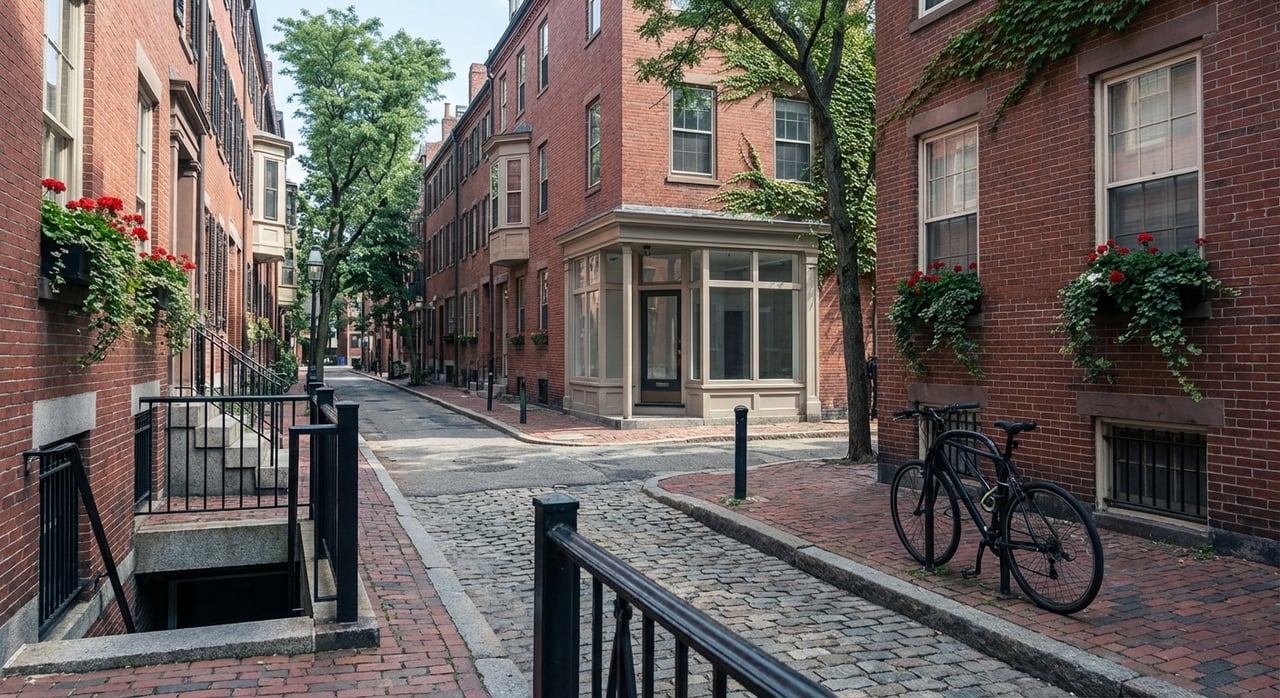
Beacon Hill’s charm includes historic brownstones, stoops, and narrow sidewalks. Many buildings do not have elevators, and cobblestones can add complexity for strollers or rolling luggage. If mobility is a concern, prioritize step-free entries and elevator service when you tour. A quick read on the neighborhood’s housing character is available in the Beacon Hill local guide.
Laundry, packages, and storage
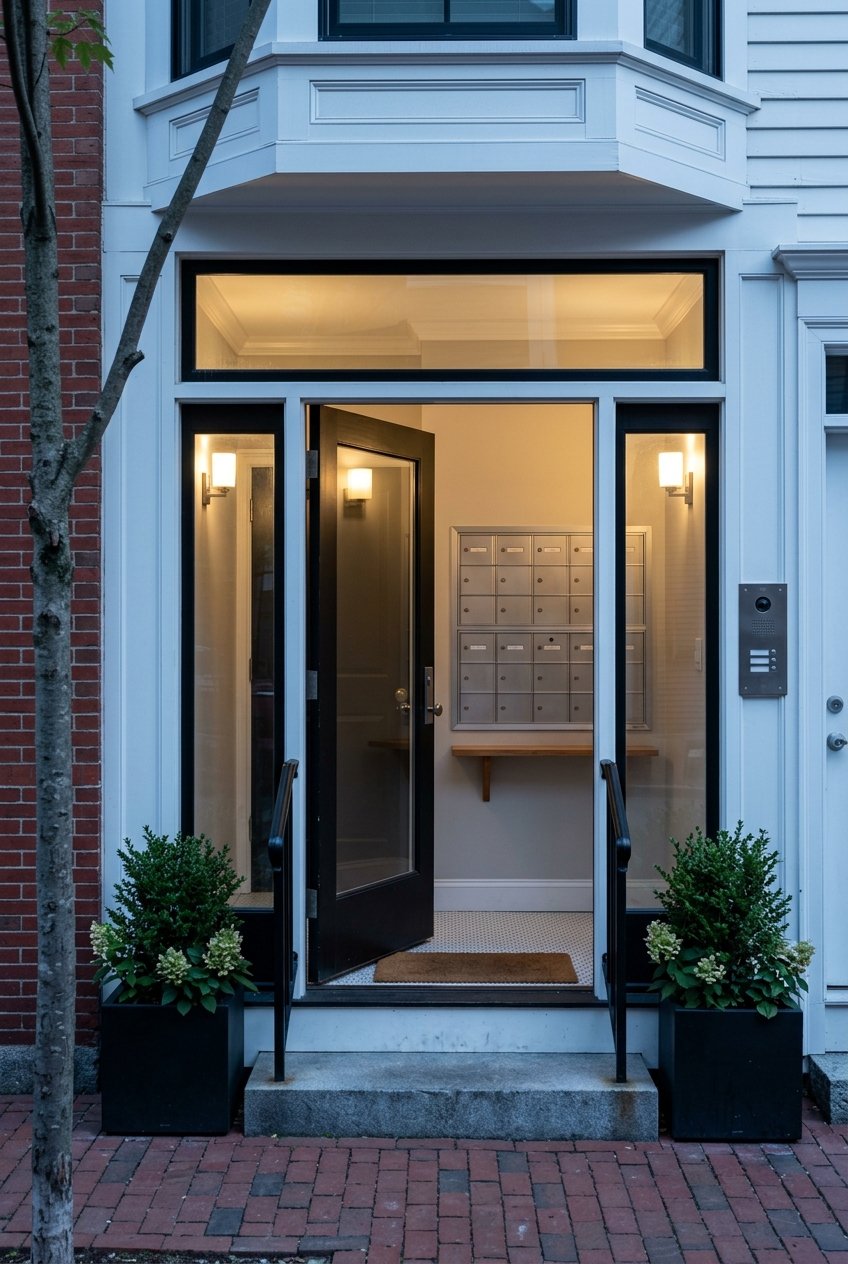
Older units may lack in‑unit laundry and generous storage. Confirm whether laundry is in‑unit or on-site and ask about dedicated storage for seasonal gear. A secure package room is a meaningful perk if you rely on grocery delivery and frequent online orders.
Bikes and ebikes
Secure bike rooms, wall racks, and clear condo rules for bike or ebike storage and charging matter when you go car-free. Ask about guest bike policies, charging access, and whether the association has guidelines for lithium battery safety. Bluebikes reduces the need to store a personal bike, but many residents still keep a folding bike or lightweight commuter for flexibility.
Parking reality and trade-offs
Deeded or assigned parking is limited in Beacon Hill condos, and where it exists it can be costly. Expect to weigh the convenience of going car-free against the monthly cost of a leased garage spot nearby. Local writeups consistently note parking scarcity for Hill residents; see context in this overview of Beacon Hill parking challenges.
Seasonal and accessibility tips
Beacon Hill’s slopes and historic streets are part of its identity. In winter, snow and slush can make sidewalks and cobblestones slower to navigate. Plan sturdy footwear, allow extra time, and consider a rolling tote or folding cart for errands. For step-free travel, map the elevator routes to your preferred MBTA station entrances before the first snowfall.
Service changes are a fact of life on the T. When the MBTA schedules work, it can affect downtown transfers at Park Street and Government Center. Keep an eye on local reporting, including the Beacon Hill Times updates on MBTA changes, and leave a little buffer on weekends or during planned projects.
A sample car-free week
- Monday: Walk to Park Street for the Green Line, grab coffee on Charles Street on the way back.
- Wednesday: Bluebikes to a meeting near Government Center, return by foot through the Common.
- Friday: Quick top-up at Charles Street Market, dinner with friends in Back Bay by foot.
- Saturday: Weekly shop at Boston Public Market, rideshare home with heavier items.
- Sunday: Run along the Esplanade and relax in the Public Garden.
Ready to go car-free in Beacon Hill?
Beacon Hill makes car-free living practical and enjoyable. You can walk to daily essentials, rely on the Red, Green, and Blue Lines for easy citywide access, use Bluebikes for quick errands, and enjoy top-tier parks at your doorstep. The trade-offs are manageable when you choose the right condo features and plan your shopping routine.
If you are weighing a Beacon Hill purchase without parking, we can help you align building features with your lifestyle. Connect with Urban Circle Realty to tour options and build a plan that fits how you want to live.
FAQs
Is Beacon Hill truly walkable for car-free living?
- Yes. Walk Score rates Beacon Hill a 99 for walkability and 100 for transit, which supports daily errands and commuting without a car.
How close are MBTA stations to most Beacon Hill addresses?
- Many homes are within a 3 to 10 minute walk of Charles/MGH, Park Street, or Government Center; confirm exact times for your block using the neighborhood MBTA overview.
Where do residents do full grocery runs without a car?
- Small markets on Charles Street are great for top-ups, while weekly shopping often happens at the Boston Public Market at Haymarket or at nearby Downtown and Back Bay supermarkets.
What condo features matter most if I will not own a car?
- Prioritize elevator or step-free access, in‑unit or on-site laundry, secure bike or ebike storage and charging, a package room, and clarity on parking rights or nearby rental options.
How do winter and service changes affect a car-free routine?
- Hills and cobblestones can slow winter walks, so plan extra time and good footwear. The MBTA schedules periodic maintenance; follow local updates like the Beacon Hill Times service notices and add a small buffer when needed.