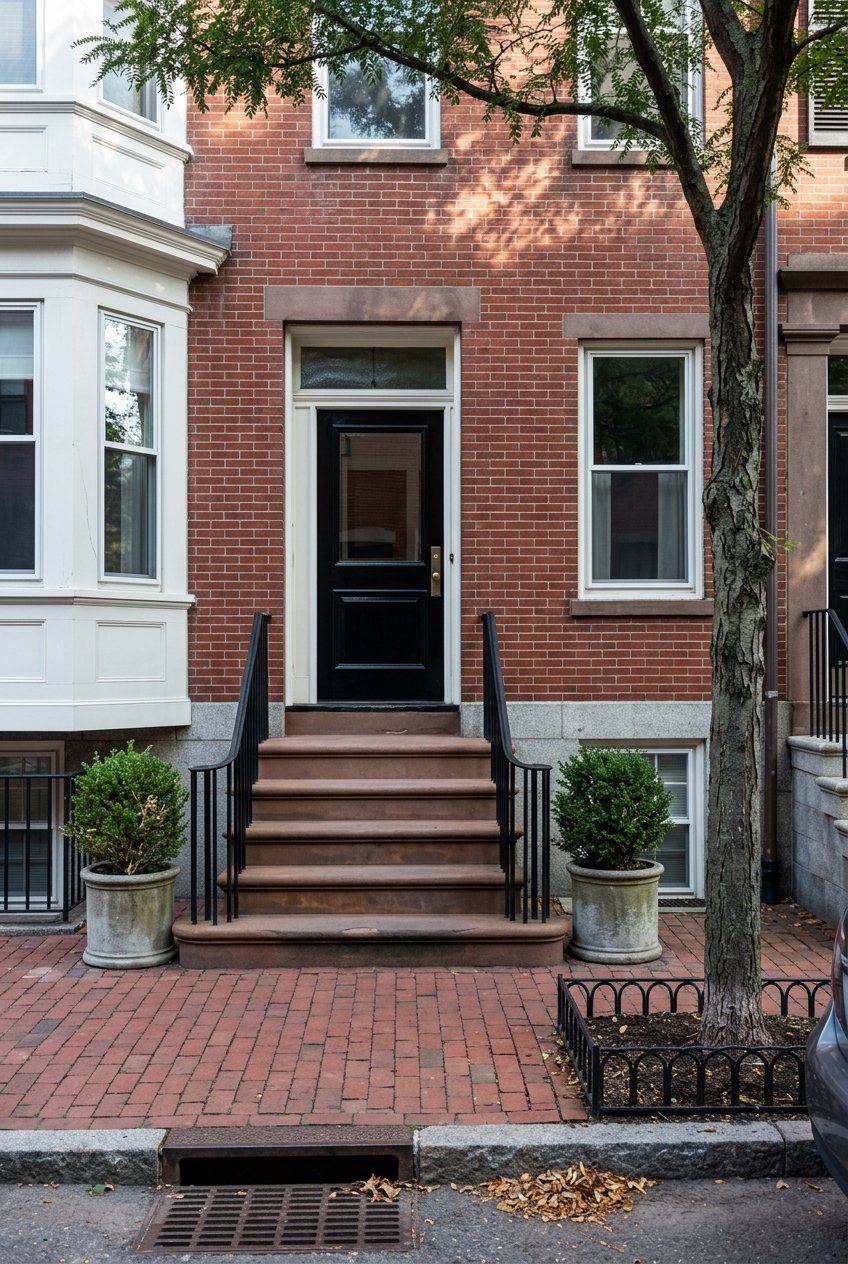
Thinking about listing your Brookline condo this spring? The biggest decision you’ll make is where to set your price. Get this right and you can spark showings, trigger multiple offers, and move on your timeline. Get it wrong and you risk weeks on market and avoidable price cuts. In this guide, you’ll learn how to choose between an aspirational price and a market-right price using local signals like days on market, inventory, and your unit’s features. Let’s dive in.
Spring in Brookline: why pricing matters
Brookline is a transit-oriented, low-supply market next to Boston. Buyer demand benefits from proximity to MBTA lines and local universities, while for-sale inventory stays tight. In spring, buyer traffic typically rises and more condos go under contract than in winter, but outcomes still depend on pricing and presentation.
Because supply is limited and price bands are distinct, your strategy should reflect real-time conditions in your building and neighborhood. A strong spring market rewards precise pricing. A softer patch punishes overreach.
Two pricing paths
What is aspirational pricing?
Aspirational pricing sets your list price above recent comparable sales. Sellers choose it when they believe their unit is uniquely valuable or they want room to negotiate. It can work when the unit has rare, documented premiums or when the market is moving up faster than closed comps show.
Pros include the chance to land a higher sale and a buffer for negotiation. Cons include fewer early showings, longer days on market, and the risk of multiple reductions that can stigmatize the listing.
What is market-right pricing?
Market-right pricing lists at or slightly below perceived market value to maximize showings and encourage multiple offers. This often leads to faster sales and can push the final price over list when demand is strong.
Pros include more traffic, higher odds of multiple offers, and a smoother timeline. Cons include the risk of leaving money on the table if set too low and less control if strong offers include contingencies.
Read your micro-market
The data to pull
Collect fresh, hyperlocal data before you choose a path. Focus on:
- Closed condo sales from the last 3 to 6 months within 0.5 to 1 mile, plus any in your building.
- Active and pending listings nearby to see your current competitors.
- Median days on market and list-to-sale ratios for similar units.
- Months of inventory for your bedroom count and building type.
- Price per square foot by bedroom count, plus HOA fees and what they cover.
- Notes on concessions, parking availability, elevator access, and pet rules.
How to interpret the signals
- Low days on market, list-to-sale ratios near or above 100 percent, and low months of inventory support a market-right strategy aimed at multiple offers.
- Rising days on market, more active inventory, and list-to-sale ratios below about 98 percent suggest aspirational pricing is riskier and may lead to reductions.
- If active listings priced above recent sales are sitting, the market is not rewarding stretch prices.
- High HOA fees compared to comps narrow the buyer pool, so pricing must account for that drag.
Features that shift buyer demand
The following factors can widen or shrink your buyer pool and should shape your price:
- Monthly HOA fee and coverage
- Parking and storage
- Elevator and accessibility
- In-unit laundry and private outdoor space
- Pet policies and any short-term rental rules
Price bands and thresholds
Brookline has distinct demand segments: studios and one-beds draw renters and young professionals, two-beds serve many owner-occupiers, and larger luxury units cater to a smaller pool. Because buyer behavior changes at key price thresholds, listing just below a psychological number can boost visibility if comps support it. For example, $499,000 may draw more searches than $505,000 for a similar one-bed.
Before you choose a threshold, confirm that recent closed sales and active competition support your target range. A threshold only helps if the value story is clear.
Action plans that work
If you price market-right
- Position at or slightly below market value to create urgency and show well in search filters.
- Launch mid-week to capture weekend showings, and invest in premium photography, a floor plan, and accurate condo docs.
- Promote with open houses, agent outreach, and targeted digital exposure to fuel early traffic.
- Prepare to review offers quickly and weigh not only price but contingencies, financing strength, and timeline.
If you test aspirational
- Set a firm review window of 7 to 14 days to assess traffic, feedback, and any offers.
- Establish a step-down plan in advance with 1 to 2 reductions tied to real showing data if interest is light.
- Make your premium features undeniable with staging, pro photos, and clear documentation of upgrades.
- Anticipate appraisal questions if a financed offer exceeds recent comps, and plan for terms that protect your net.
Avoid costly pitfalls
- Ignoring current days on market and pending activity in your building.
- Overvaluing upgrades without recent, local comps to validate the premium.
- Overlooking the impact of HOA fees, parking, and elevator access on buyer demand.
- Launching with weak presentation, missing condo documents, or limited availability for showings.
Terms, appraisals, and net proceeds
A strong price can attract multiple offers, but the best offer is not always the highest. Review contingencies, financing type, appraisal tolerance, and closing timeline alongside price. If a sale price stretches beyond recent comps, a low appraisal could force concessions or a renegotiation unless terms address the gap.
Model your net under different scenarios so you know how price, credits, and timing affect your bottom line. This helps you respond quickly to strong early interest or pivot if traffic is thin.
A simple decision framework
Use these quick checks to choose your approach:
- Fast sales and low inventory for your unit type: lean market-right to spark multiple offers.
- Rare features with clear, recent evidence of premium value: consider a measured aspirational test with a pre-set review and reduction plan.
- Not time-sensitive and open to discovery: test aspirational, but monitor traffic closely.
- Need a predictable sale or coordinating a purchase: go market-right with premium presentation and broad outreach.
Partner with a local pro
The best pricing plan blends data, on-the-ground context, and marketing that gets buyers in the door. A thoughtful launch, precise positioning, and a tight review cadence can lift your final price and keep your timeline on track.
Ready to talk strategy for your Brookline condo this spring? Connect with Urban Circle Realty for a data-driven pricing plan, polished marketing, and a clear path from listing to closing.
FAQs
What is the difference between aspirational and market-right pricing for a Brookline condo?
- Aspirational lists above recent local comps to capture a higher price if demand supports it; market-right lists at or slightly below perceived value to increase showings and encourage multiple offers.
How long should I wait before reducing an aspirational price in Brookline?
- Many sellers use a 1 to 3 week review window; if showings and inquiries are light after that, reassess comps, feedback, and make a planned adjustment.
Which condo features most influence Brookline pricing strategy?
- HOA fees and coverage, parking, elevator access, in-unit laundry, private outdoor space, storage, and pet rules all affect the buyer pool and pricing power.
Will pricing low always create a bidding war and a higher sale?
- Not always; low inventory and strong demand can push the price up, but if similar listings are available, a low list may simply set the final price near that level.
How do appraisals impact an aggressive sale price in Brookline?
- If a financed offer exceeds recent comps, the appraisal may come in low, which can trigger renegotiation unless terms address the gap or the buyer has flexibility.