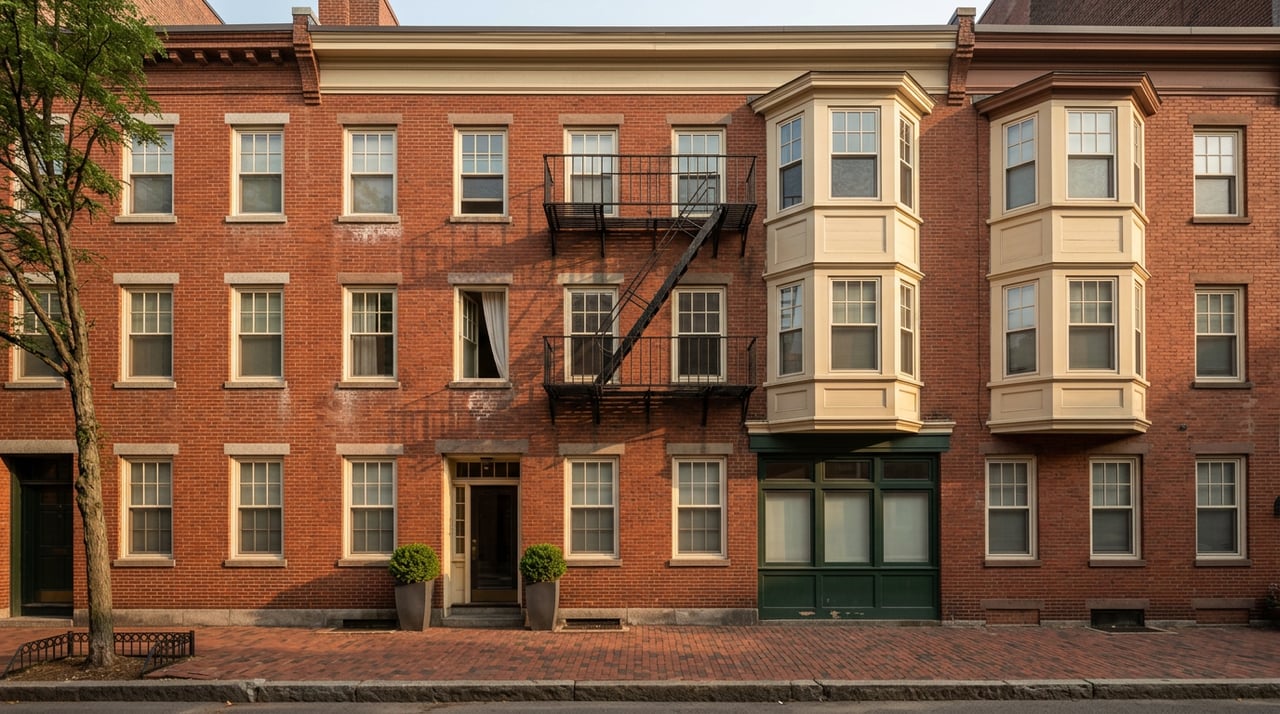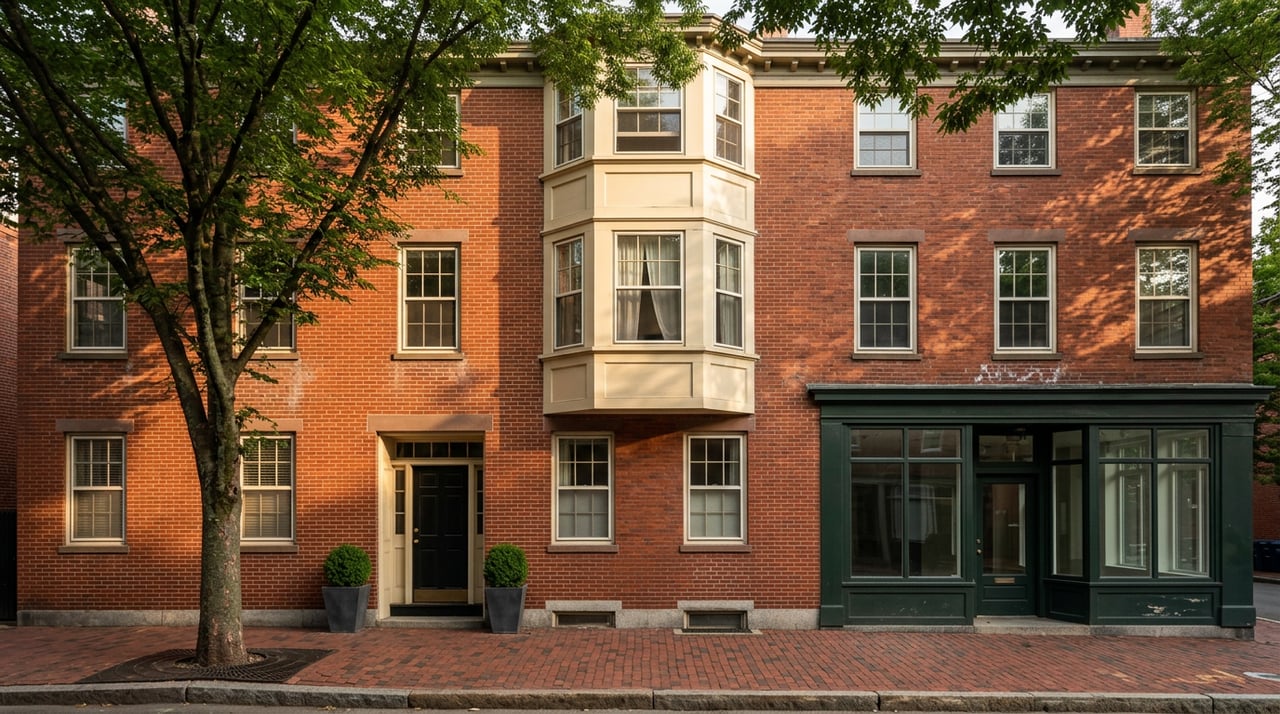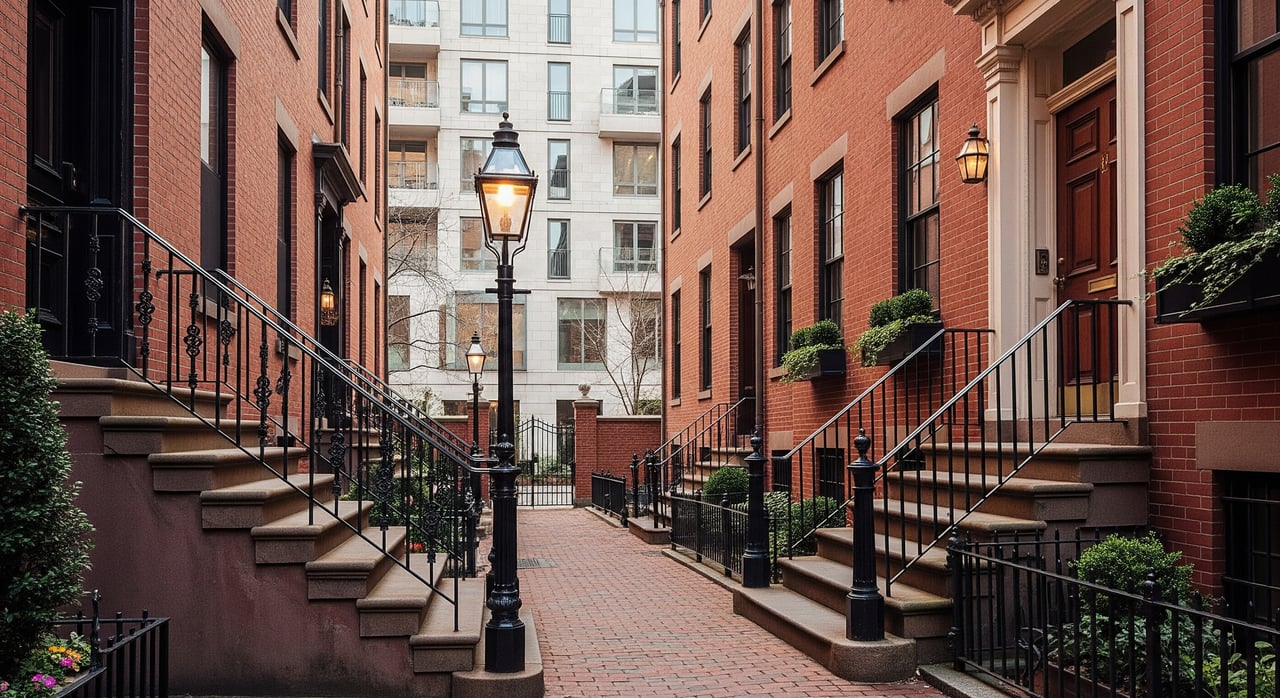
Thinking about buying in Beacon Hill and deciding between a condo or a co-op? With brick sidewalks, gas lamps, and 19th‑century charm, the buildings are as unique as the ownership structures. You want clarity on rules, financing, fees, and resale so you can buy with confidence. This guide breaks down the key differences in Boston, with practical tips tailored to Beacon Hill’s historic setting. Let’s dive in.
Condo vs co-op basics
Condo: You receive a deed to your unit plus a share of the common areas, and an association manages the property. Massachusetts condominium law sets rules for formation, governance, and disclosures. You can review the state framework in the Massachusetts condominium laws and consumer explainers like Nolo’s overview of condo vs co-op.
Co-op: You buy shares in a corporation that owns the building, and you receive a proprietary lease for your unit. A co-op board sets policies and collects monthly maintenance. For a plain‑English comparison of how these models differ, see Nolo’s guide to condo vs co-op.
Approvals and living rules
Board approvals
- Condos usually require buyer notice and basic documentation. Boards are less likely to control title transfers.
- Co-ops often require a full application, financial review, and an interview before approving a share transfer. Boards can delay or deny, which affects timing and certainty. Consumer resources like Bankrate’s comparison of condo vs co-op financing and approvals outline typical expectations.
Renting and short-term stays
- Co-ops commonly limit or prohibit subletting and short-term rentals.
- Condo policies vary by building. Many central Boston associations restrict short-term rentals even if some allow longer-term leases.
Renovations and historic review
Beacon Hill is a designated historic district. Exterior changes and some visible interior modifications may require review by the local commission in addition to your building’s rules. Learn what triggers review on the City of Boston’s Beacon Hill historic district page.
Financing and closing timeline
Condo mortgages
You typically use a conventional mortgage secured by your unit. Lenders review the borrower and the building’s health, including reserves, owner‑occupancy, and litigation. Some buyers use government‑backed programs when a project qualifies. You can check how condo project approvals work through HUD’s condo resources.
Co-op share loans
Lenders make loans secured by your shares and proprietary lease. Underwriting can be stricter, often with larger down payments and more documentation. Access to low‑down‑payment programs is less common for co-ops. For a consumer-friendly summary, review Bankrate’s guide to condo vs co-op.
What this means for timing
- Co-ops often add steps for board approval, which can extend closing timelines.
- Condos can still require association review, but approvals tend to be more predictable.
- In both cases, lenders will analyze the building’s financials and rules.
Monthly costs and taxes
What the fees cover
- Condo HOA fees usually include common area upkeep, master insurance, reserves, and sometimes utilities. You pay your own property taxes and mortgage interest.
- Co-op maintenance fees often include more line items. These can cover the building’s mortgage, real estate taxes, insurance, staff, utilities, and reserves. Fees may look higher, but they bundle costs that condo owners pay separately.
Tax treatment
- Condo owners typically receive a property tax bill and may deduct mortgage interest and property taxes, subject to federal and state limits.
- Co-op shareholders often receive an allocation of the building’s mortgage interest and property taxes through their maintenance statement. Your exact deductions depend on how the co-op reports. Always review current IRS and Massachusetts guidance with a tax professional.
Resale and marketability in Beacon Hill
- Condos usually reach a wider buyer pool because financing is more familiar and title transfers are straightforward.
- Co-ops can have a narrower buyer pool due to approvals and rental limits, yet well‑run co-ops in prime locations can still move quickly.
- Beacon Hill’s scarcity and historic appeal support strong values for both formats. For a snapshot of Boston demand trends, see the Redfin Boston market overview. For neighborhood context, browse the Zillow Beacon Hill overview.
Beacon Hill buyer checklist
Use this list to streamline your due diligence, especially in older buildings:
- Governing documents: condo master deed, declaration, bylaws, rules; or co-op proprietary lease, bylaws, house rules.
- Financials: last 2 to 3 years of budgets and statements, current reserves, and any planned special assessments.
- Building debt: confirm any co-op underlying mortgage or condo association loans.
- Insurance and litigation: master policy details and any active or recent claims or lawsuits.
- Occupancy and leasing: owner‑occupancy ratios and subletting policies, including short‑term rules.
- Historic considerations: ask about recent approvals and any limits from the Beacon Hill historic district.
- Lender fit: if you are considering a co-op, work with a lender experienced in co-op share loans; for condos, check whether project approvals align with your loan type and timeline.
- Professional team: hire a Massachusetts real estate attorney and a home inspector familiar with historic structures.
Which one fits your goals
- Choose a condo if you want broader financing options, simpler transfers, and more flexibility for future resale or renting, subject to building rules.
- Consider a co-op if you prefer a closer‑knit environment, do not need short‑term rental flexibility, and are comfortable with a board approval process and bundled monthly costs.
- In Beacon Hill, your decision often comes down to the specific building’s governance, reserves, and policies rather than the label alone.
How we help you decide
You deserve a clear, confident path from first tour to closing. Our team specializes in Boston condo markets and historic buildings in Beacon Hill and nearby neighborhoods. We will help you request and organize building documents, coordinate with your lender and attorney, and craft a plan that aligns with your lifestyle and long‑term goals.
If you are weighing a condo against a co-op in Beacon Hill, connect with Urban Circle Realty for focused guidance and a smooth, well‑managed purchase.
FAQs
What is the main legal difference between a condo and a co-op in Boston?
- A condo gives you a deed to your unit plus a share of common areas, while a co-op gives you shares in a corporation and a proprietary lease for your unit, as outlined in Nolo’s guide.
How does board approval work in a Boston co-op purchase?
- Co-op boards usually require a full application, financial review, and an interview before approving a transfer, which can add time and uncertainty compared with most condo sales.
Are financing options different for condos versus co-ops in Beacon Hill?
- Yes. Condos typically use conventional mortgages and may qualify for certain programs if the project is approved through HUD’s condo process, while co-ops rely on share loans that often require larger down payments.
Why are co-op monthly fees often higher than condo HOA dues?
- Co-op maintenance often includes building mortgage payments and real estate taxes, plus insurance, staff, utilities, and reserves, which condo owners usually pay separately.
Do Beacon Hill renovations need special approvals in addition to building rules?
- Often yes. Many exterior changes and some visible interior work require review by the Beacon Hill historic district commission, per the City of Boston guidelines.