If you picture Beacon Hill, you might see gas lamps, brick sidewalks, and storybook stoops. Then the confusion kicks in: is that a brownstone or a rowhouse, and does it matter for how you live day to day? If you are weighing a move to Beacon Hill, understanding the difference can shape your budget, maintenance responsibilities, and lifestyle. In this guide, you will learn what each term means in Boston, how properties are owned, and what to expect for layout, parking, and resale. Let’s dive in.
Brownstone vs rowhouse: definitions
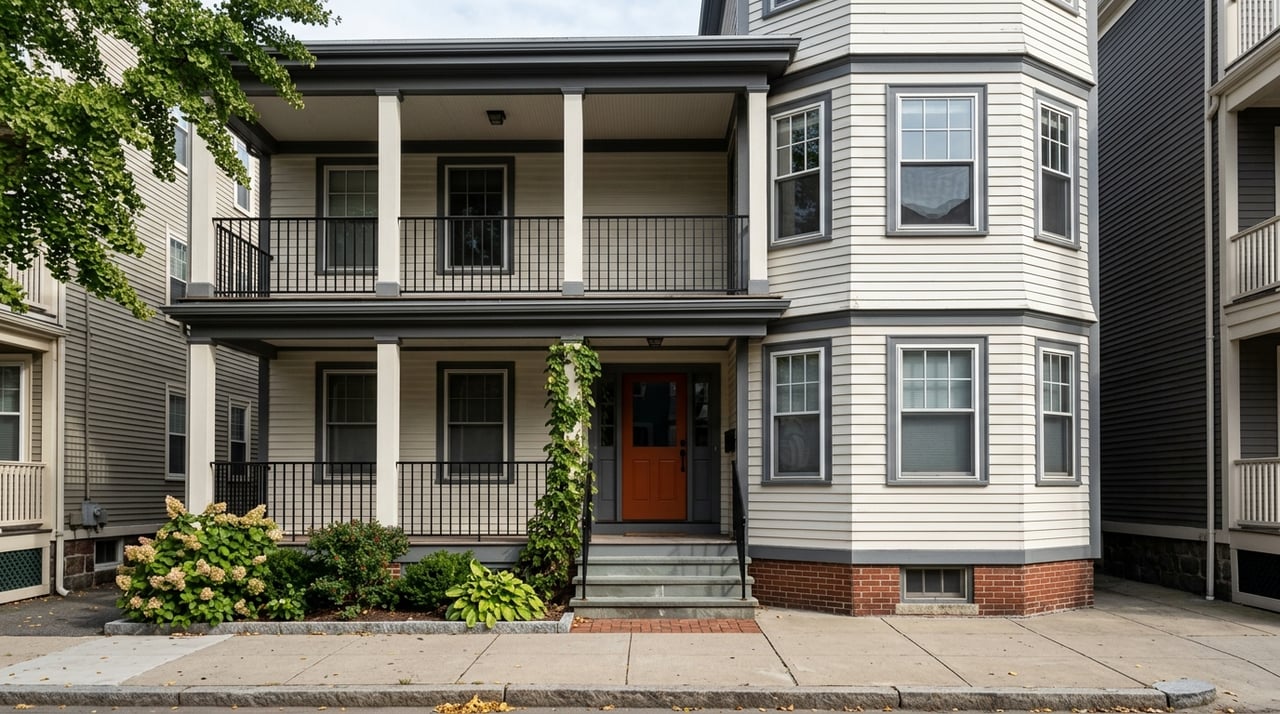
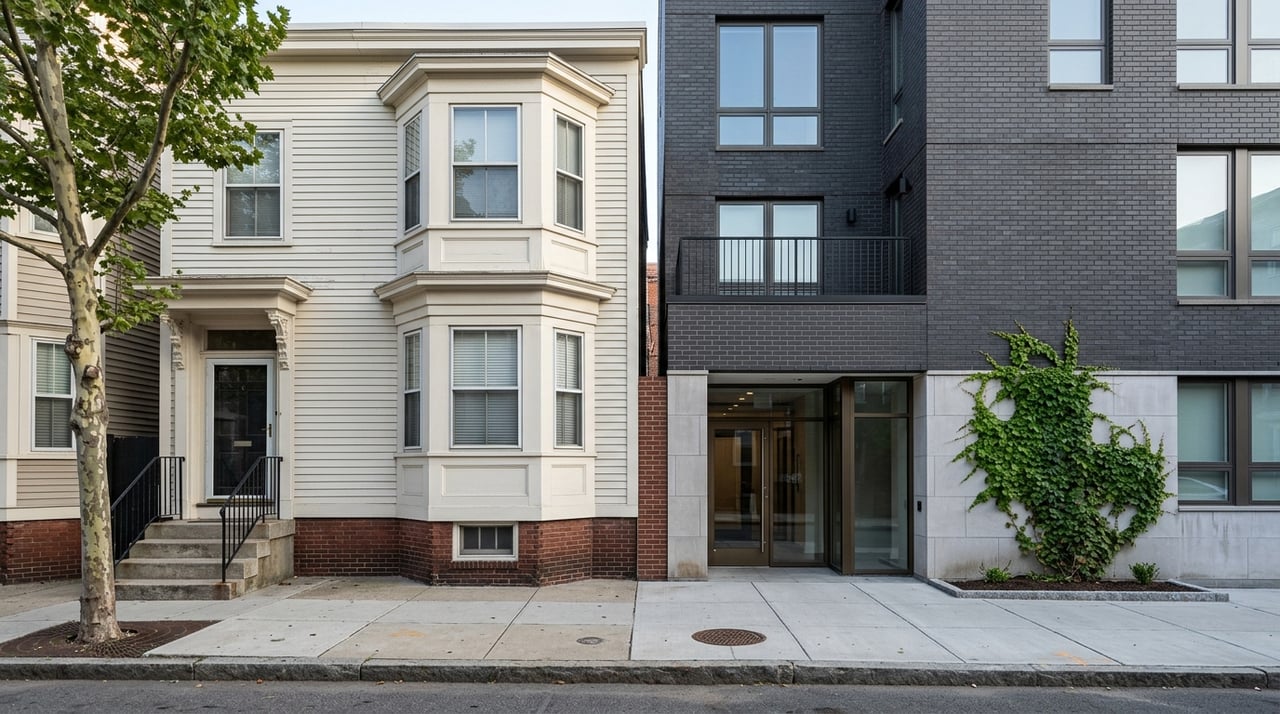
A rowhouse is an attached single-family house in a continuous row that shares party walls with neighbors. In Boston, rowhouses are usually narrow, multi-story homes from the Federal, Greek Revival, or Italianate periods. Brownstone is a townhouse with a façade or trim made of brown sandstone. That stone is a material choice, not a building type.
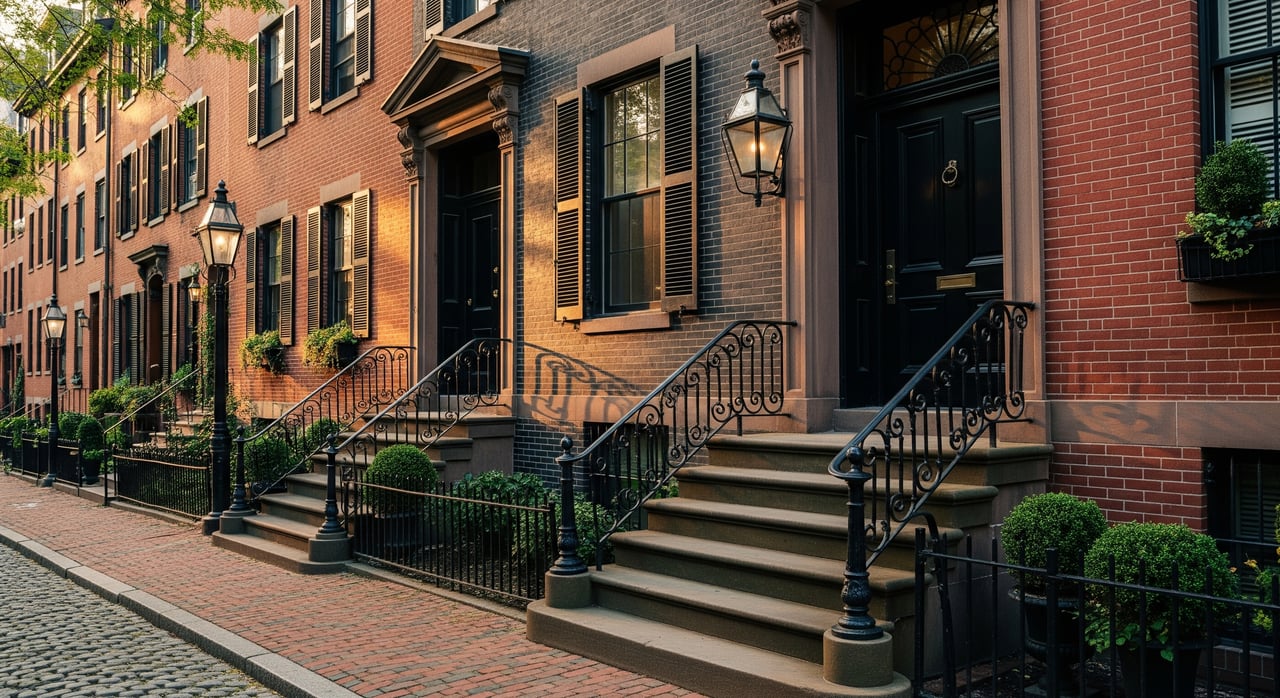
In Beacon Hill specifically, the architecture skews to brick and granite with Federal and Greek Revival influences. True brownstone façades exist in Boston but are less characteristic of Beacon Hill than the South End or Back Bay. You will see brick fronts, granite steps, ironwork, and tall parlor windows far more often than full brownstone façades here.
Beacon Hill architecture snapshot
Beacon Hill’s core housing stock dates to the late 18th and early 19th centuries, with later Victorian elements layered in. Many façades are 16 to 22 feet wide, with high ceilings on the parlor level and tall windows. Typical vertical organization places kitchens and casual space at the garden or basement level, formal rooms on the parlor level, and bedrooms above.
Expect granite steps or stone stoops, wrought-iron details, and narrow historic streets. You will find both full-height single-family rowhouses and buildings that were converted into multiple units.
Ownership: fee simple or condo
You will see two main ownership forms:
- Fee-simple single-family rowhouse. You own the land and building. You handle all exterior and interior upkeep, from roofs to masonry to mechanicals.
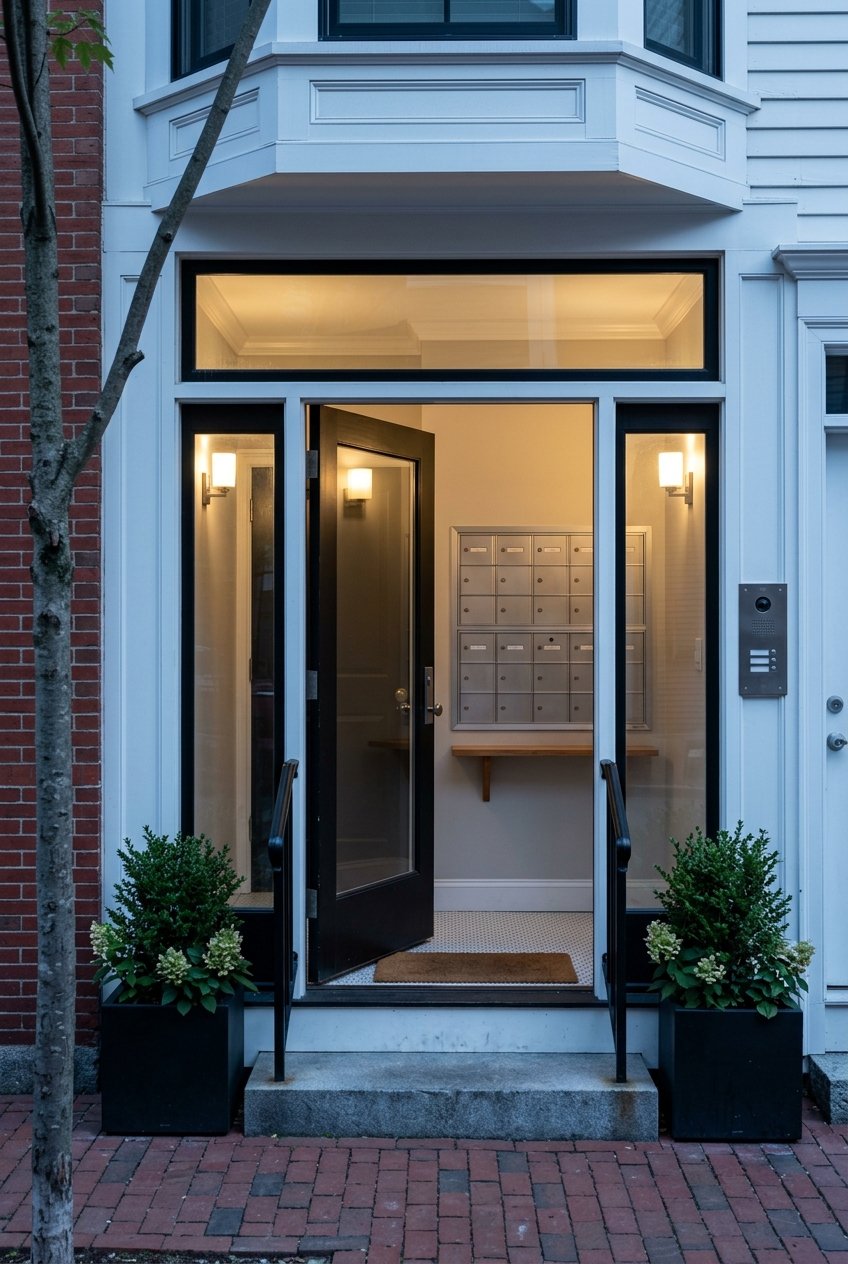
- Condominium unit in a converted rowhouse. You own your unit and share common elements through a condo association. Monthly fees typically cover exterior maintenance, common insurance, and shared services.
Condoization in Massachusetts follows state condominium law, which sets the framework for a master deed, bylaws, and common areas. Lenders review condo financials, reserves, and owner-occupancy. FHA or VA buyers need project approval when using those loan programs. In short, fee-simple gives you control and full responsibility, while condos spread costs and decision-making through the association.
Historic district rules
Beacon Hill is a designated historic district. Exterior changes, including windows, masonry repairs, entry and stoop work, and visible mechanicals, require review and approval by local preservation authorities. The goal is to protect the neighborhood’s character.
For you, this means building timelines should include design review and permitting for exterior work. Interior updates are generally more flexible, but plan early if any upgrades might alter the exterior or be visible from the street.
Daily living and layout
Rowhouses are vertical. Stairs connect multiple short floors, and living often spreads across garden, parlor, and bedroom levels. If you prefer single-level living or have mobility needs, a tall walk-up may be a challenge.
Light and air come from front and back windows because party walls limit side light. Some buildings have small lightwells. Parlor floors shine for entertaining, but your daily routine will include trips between kitchen, living, and bedroom levels.
Maintenance and typical issues
Historic masonry and systems require thoughtful care. In Beacon Hill, brick and granite are common, with periodic repointing and careful mortar matching needed. True brownstone is softer and can spall or erode, which calls for specialized repair when present.
Single-pane historic windows are typical. Many owners restore original windows with weatherstripping or add storm panels to improve comfort and efficiency. Systems may include older plumbing, electrical, or heating, and some buildings still have legacy items like knob-and-tube wiring or cast-iron stacks that need attention.
Roofs can be slate with historic gutter systems that require specialized contractors. Budget for periodic roof and masonry work in addition to interior updates. Condo associations often plan for these expenses with reserve funds, while fee-simple owners budget individually.
Amenities and parking
Private rowhouses and small condo conversions rarely offer doormen, gyms, or large amenity packages. Some buildings provide shared laundry, storage, or bike rooms, but that depends on the conversion.
Off-street parking is scarce and expensive. Many homes have no deeded parking. The tradeoff is exceptional walkability and proximity to parks, transit, dining, and shops. Many residents rely on the MBTA, walking, biking, or ride-hailing.
Energy and comfort
Older buildings can be drafty without upgrades. Window restoration, storm windows, targeted insulation, and efficient heating systems can improve comfort. Exterior energy improvements that change the façade or window appearance may require historic review, so plan solutions that preserve the building’s street-facing character.
Resale and market fit
Beacon Hill’s location and historic charm support strong demand and a pricing premium compared to broader Boston averages. Authentic details and preservation-compliant renovations often command higher prices.
Your ownership type affects your buyer pool. Some shoppers prefer fee-simple single-family control, while others want condo convenience with shared exterior responsibilities. Deferred maintenance, outdated systems, or visible façade issues can weigh on marketability, so proactive care pays off.
Buying checklist for Beacon Hill
Use this quick list to focus your due diligence:
- Structure and envelope: foundation, brick and granite repointing needs, roof condition, gutters, and drainage.
- Systems: age and capacity of electrical service, boiler or HVAC, hot water, and plumbing stacks.
- Moisture and health: basement or garden-level moisture, radon risk, lead paint in pre-1978 homes, and possible asbestos on old insulation.
- Party walls and shared elements: verify agreements for shared chimneys or walls.
- Condo specifics: review the master deed, bylaws, reserve study, meeting minutes, special assessments, owner-occupancy, rental policies, and insurance coverage.
- Permits and history: confirm prior renovations were permitted and closed out.
- Financing and insurance: check lender requirements for condos or multi-unit properties and verify insurability for historic materials.
- Historic review: scope any exterior changes and include time for approvals.
Which is right for you?
Choose a fee-simple rowhouse if you value control over decisions and are ready to manage exterior projects and long-term maintenance. Choose a condo in a converted rowhouse if you prefer to share costs through HOA dues and benefit from coordinated planning for roofs and masonry.
If a brownstone façade is on your wishlist, expect it to be rarer in Beacon Hill than in the South End or Back Bay. If your priority is classic Beacon Hill character, you will likely focus on brick and granite rowhouses with parlor-level charm and intimate, walkable streets.
Ready to explore Beacon Hill?
Whether you are comparing fee-simple rowhouses to condo conversions or weighing lifestyle tradeoffs like parking and stairs, you deserve a clear plan. Our owner-led team pairs neighborhood expertise with full lifecycle service, from purchase to leasing and property management for investor-owners. If you want a thoughtful path to Beacon Hill living, connect with the local team that makes it seamless.
Connect with Urban Circle Realty to discuss your Beacon Hill goals and next steps.
FAQs
Are brownstones common specifically in Beacon Hill?
- True brownstone façades are less common in Beacon Hill, which is better known for brick and granite Federal and Greek Revival rowhouses.
How does condo ownership change maintenance in Beacon Hill rowhouses?
- Condo owners pay HOA fees that typically fund exterior work, shared insurance, and reserves, while fee-simple owners handle all maintenance themselves.
Do historic-district rules allow modern upgrades in Beacon Hill homes?
- Interior updates are usually feasible, but visible exterior changes like windows, masonry repairs, or equipment placement require review and approval.
What daily living differences should I expect in a Beacon Hill rowhouse?
- Expect vertical living with multiple stair runs, front-and-back natural light, parlor-level entertaining, and limited in-building amenities.
How scarce is parking for Beacon Hill rowhouses and condos?
- Deeded parking is rare and costly, so many residents rely on walking, MBTA access, biking, or nearby garages at additional expense.
What factors most affect resale for Beacon Hill properties?
- Authentic historic details, quality preservation work, and sound building systems help value, while deferred maintenance and exterior issues can hinder marketability.