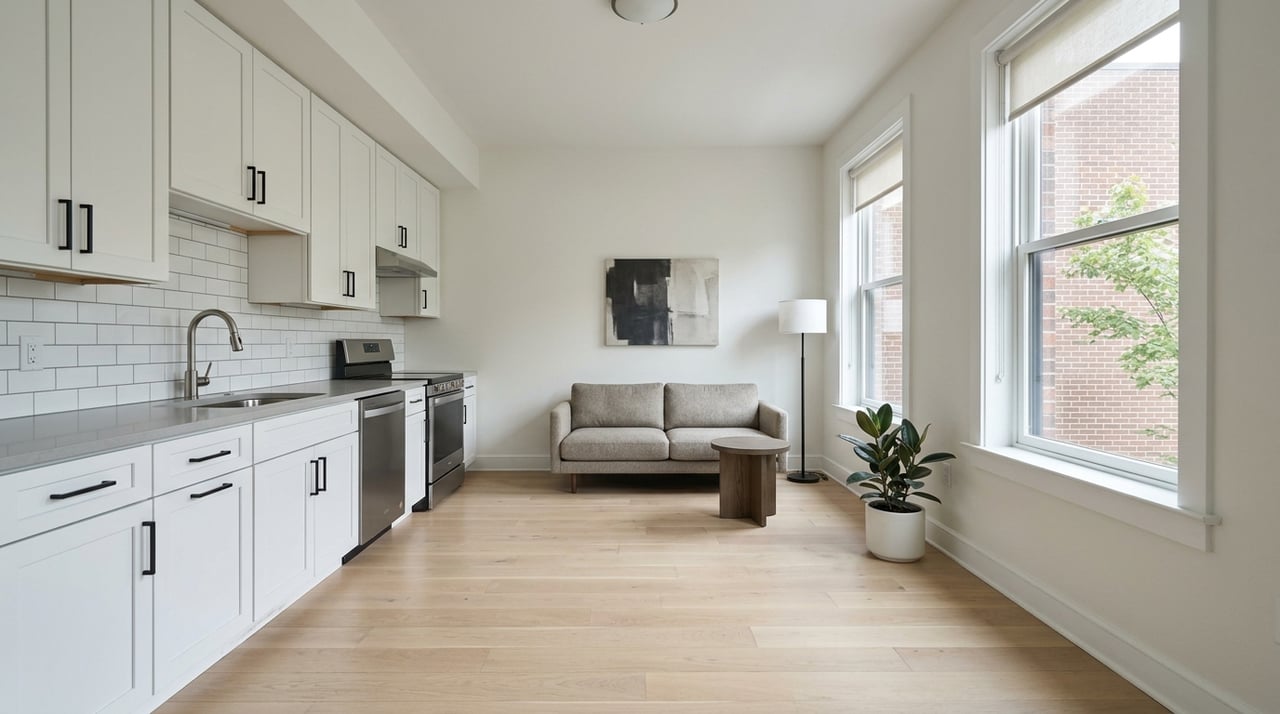
Wondering whether a Back Bay condo can serve you now and still work as a rental later? That is a smart question, especially in a neighborhood where purchase prices, monthly costs, and condo rules all matter as much as location. If you are thinking about buying with flexibility in mind, this guide will help you evaluate what makes a Back Bay condo truly rentable, what due diligence matters most, and where buyers often get tripped up. Let’s dive in.
Why Back Bay stands out
Back Bay has several qualities that support long-term rental appeal. It sits close to Downtown and the Public Garden, offers access to multiple MBTA stations including Arlington, Copley, Hynes, and Back Bay Station, and combines residential streets with active retail and office corridors along Newbury Street, Boylston Street, and Huntington Avenue.
The neighborhood profile also shows a strong base of residents and workers. Boston Planning reports 18,983 residents, 66,965 payroll jobs in 2023, and a population with a high share of adults holding a bachelor’s degree or higher. Nearly half of residents are ages 18 to 34, which helps explain why smaller, well-located rentals can attract steady interest.
Back Bay is also a renter-heavy market. According to Boston Planning’s 2025 profile, 64.7% of housing units were renter-occupied. The same report shows that the housing stock leans heavily toward studios, one-bedrooms, and two-bedrooms, which is useful context if you are deciding what type of condo may be easiest to lease later.
What rental numbers suggest
Back Bay rents sit above many citywide benchmarks. Boston Planning’s 2026 city economy report places one-bedroom rents in Back Bay at about $3,300, and the 2025 neighborhood profile says the 2024 median asking rent for market-rate two-bedroom apartments was $4,800, compared with $3,200 citywide.
Those numbers help show why buyers are drawn to the neighborhood for rental potential. At the same time, high rents do not automatically make every condo a strong investment. A unit still has to compete well on layout, condition, amenities, building rules, and monthly carrying costs.
Best condo types for rental potential
In Back Bay, efficient smaller units often make the most practical sense. Because the neighborhood housing mix skews toward studios, one-bedrooms, and two-bedrooms, a well-designed one-bedroom or a true two-bedroom may be easier to position for future tenants than a larger but less efficient layout.
The key is not just square footage. A condo that feels open, functional, and easy to furnish may perform better than one with more area but awkward flow. In a premium rental market, usability matters.
Look for efficient layouts
If rental flexibility is part of your plan, focus on floor plans that support everyday living without wasted space. Bedroom separation, practical living area, storage, and clean furniture placement all matter.
A true two-bedroom can be especially attractive because it gives renters more options for a roommate setup, a work-from-home room, or guest space. A strong one-bedroom can also perform well if it has good light, enough storage, and a layout that feels larger than the square footage suggests.
Pay attention to livability
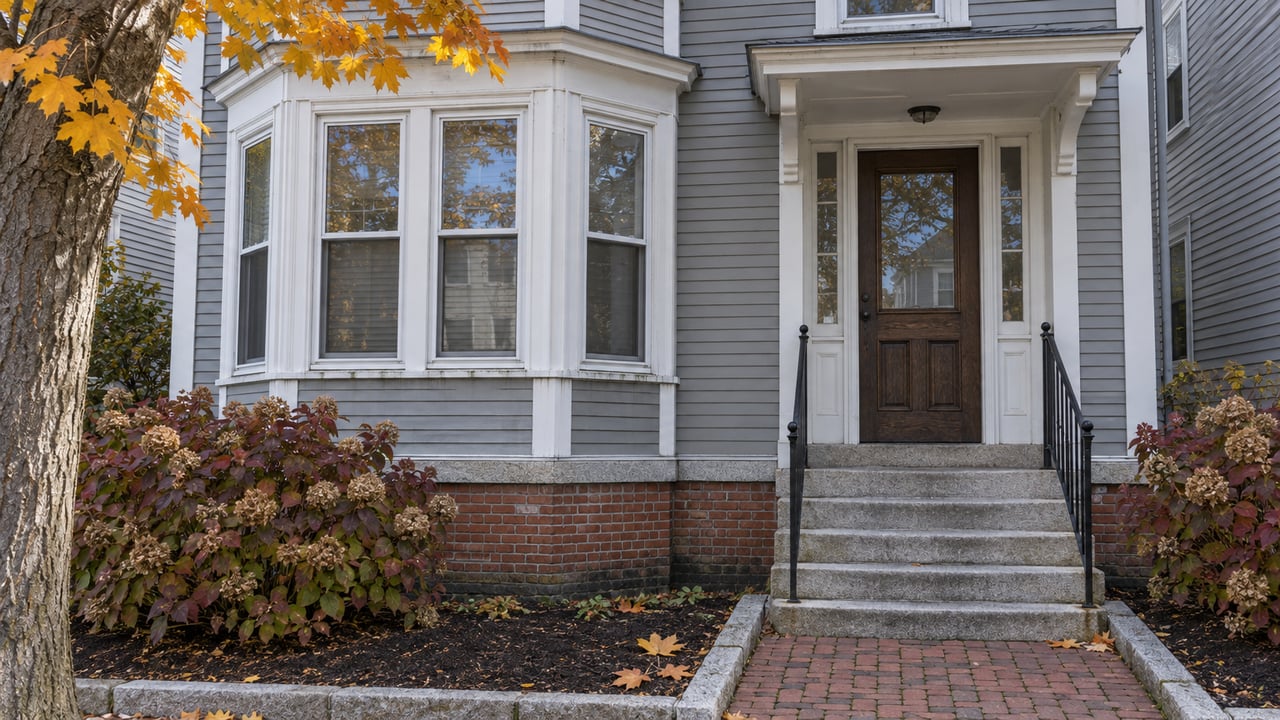
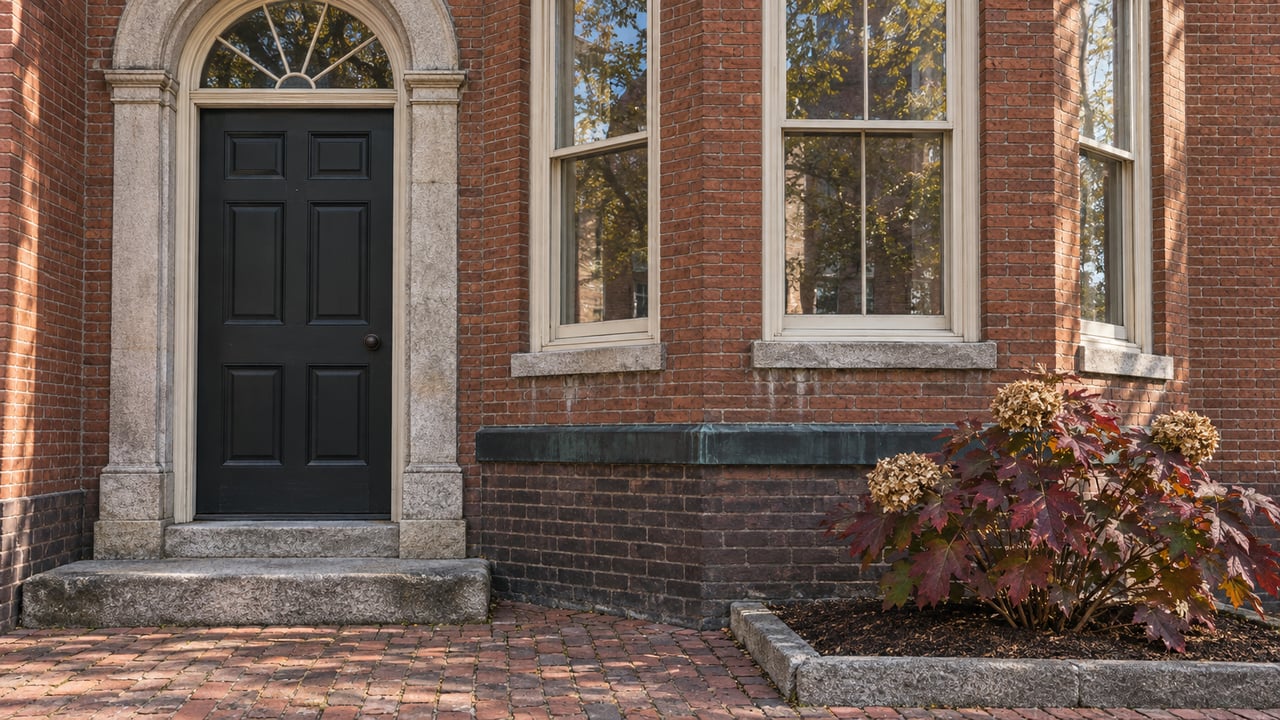
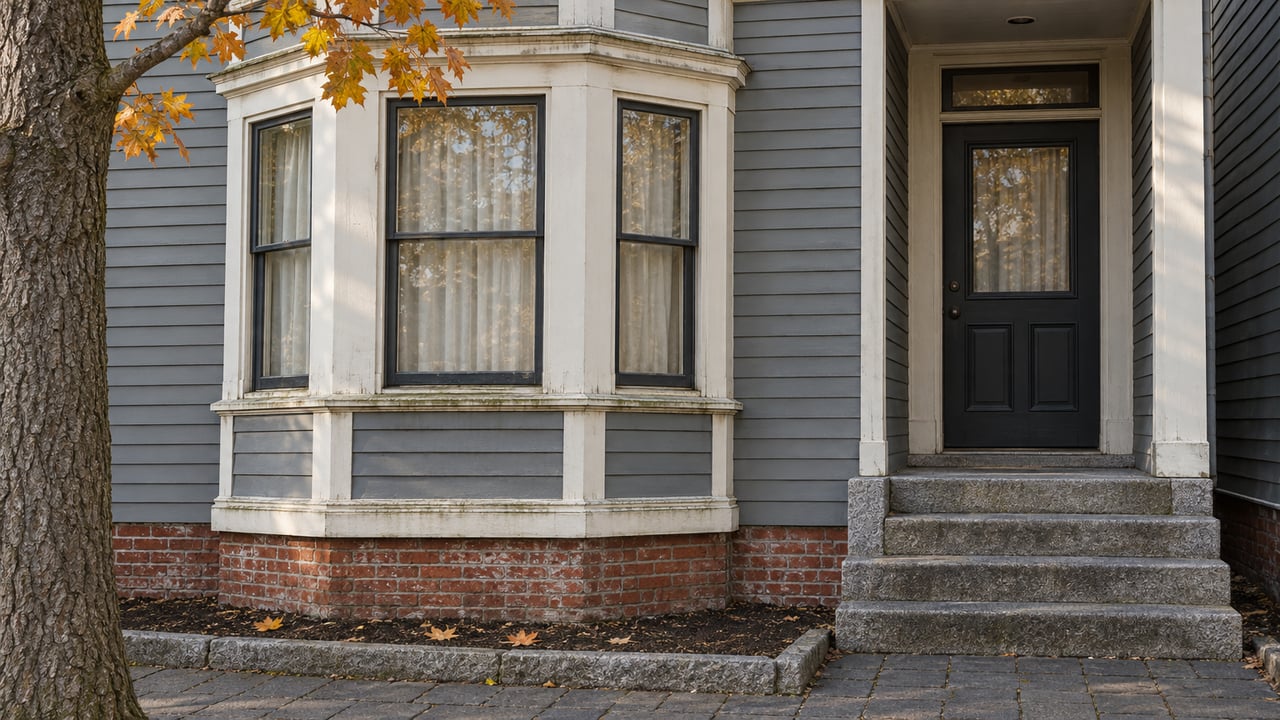
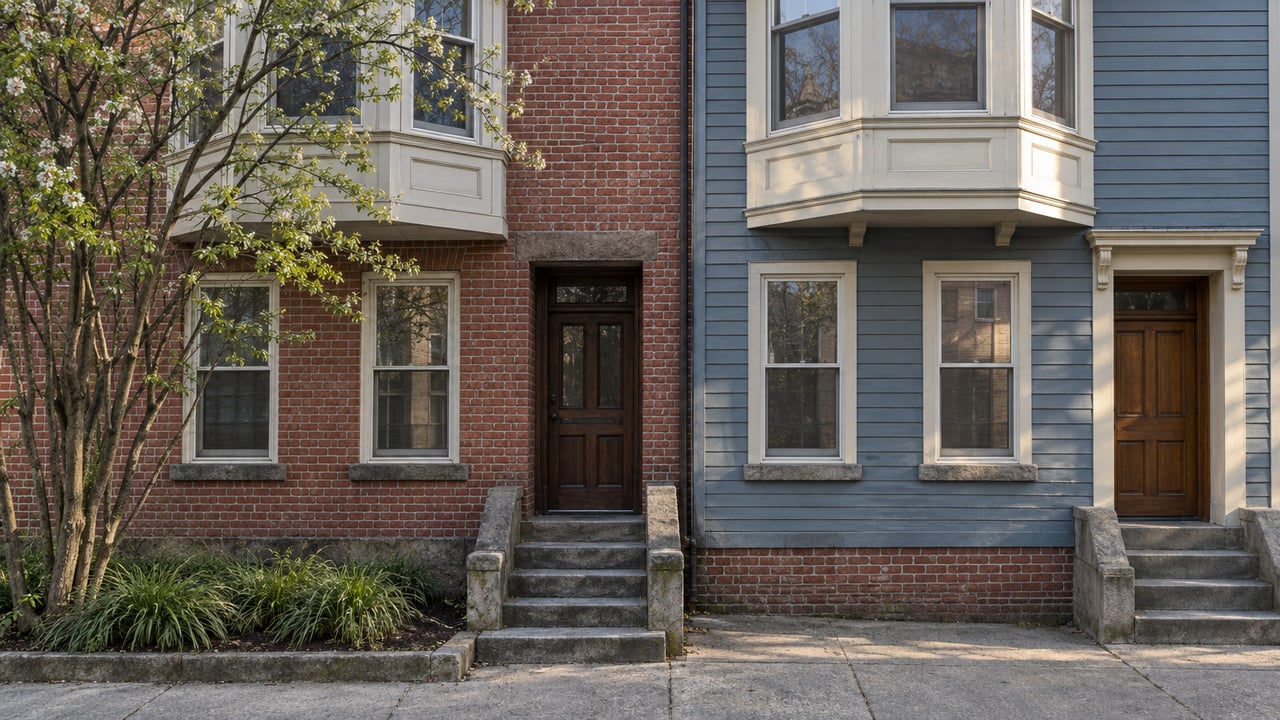
Back Bay includes many Victorian row houses and historic conversions, and that charm can come with tradeoffs. Ceiling height, window placement, sound transfer, and room proportions can all affect how a condo lives day to day.
When you tour, think like both an owner and a future tenant. Ask yourself whether the home still works once furnished, whether there is enough wall space for a bed and desk, and whether the living room can comfortably fit real furniture. Those details can shape demand more than a polished kitchen alone.
Amenities that can improve rentability
In Back Bay, amenities can help a condo stand out, especially in older buildings or smaller units. Features like elevator access, in-unit laundry, air conditioning, parking, and private outdoor space can make a home feel more turnkey.
That does not mean every renter expects every feature. It does mean that when rents are already at premium levels, renters may compare homes closely and place extra value on convenience.
Amenities worth weighing
Here are some features that may improve a condo’s appeal:
- Elevator access
- In-unit laundry
- Air conditioning
- Parking
- Private outdoor space
- Good natural light
- Functional storage
If a condo lacks one of these, another strength may offset it. For example, a beautifully laid-out one-bedroom in a prime location may still be very attractive without parking. The goal is to understand the full package rather than overvalue a single feature.
Condo rules can make or break the plan
One of the biggest mistakes buyers make is assuming they can rent a condo later just because they own it. In Massachusetts, condominiums are privately governed through the master deed, deed, bylaws, and Chapter 183A. The Commonwealth also states that it does not directly regulate condominiums.
That means each building may have its own rental caps, minimum lease terms, sublet rules, approval requirements, and owner-occupancy standards. If rental potential matters to you, these building-level rules should be reviewed before you buy, not after.
Documents to review carefully
Before moving forward, make sure you review key condo documents such as:
- Master deed
- Bylaws
- House rules
- Budget
- Reserve history
- Meeting minutes
These records can help you spot current restrictions and future risks. They may also reveal issues like low reserves, upcoming projects, or patterns of conflict that could affect ownership costs or rental flexibility.
Building questions to ask
As part of your due diligence, confirm answers to questions like:
- Is there a rental cap?
- Is there a minimum lease term?
- Does the association require sublet approval?
- Are there owner-occupancy requirements?
- What is the pet policy?
- Have there been recent or pending special assessments?
A condo can look perfect on paper and still be a poor fit if the legal right to rent is unclear or limited.
Boston rental rules to know
If you plan to rent your Back Bay condo long-term, Boston requires annual rental registration and periodic inspections. If you live out of state, you must also designate a Boston-area emergency contact when you register.
These are not small details to sort out later. They are part of the operating reality of owning a rental in the city, and they should be part of your planning from the start.
Short-term rental limits are strict
Some buyers assume they can use short-term rentals as a backup strategy. In Boston, that path is much narrower.
The city defines a short-term rental as a stay of fewer than 28 consecutive days. Residential short-term rentals are only allowed in owner-occupied condominiums and certain owner-occupied one- to three-family buildings. For many investor-owned Back Bay condos, that means the realistic strategy is long-term leasing, not short-term stays.
Historic district rules matter too
Back Bay’s historic character is a major part of its appeal, but it can also affect ownership decisions. The Back Bay Architectural District Commission reviews proposed exterior changes and alterations, and approved exterior work needs a decision letter before permits are pulled.
If you are buying a condo with plans to change windows, adjust exterior elements, or take on work that touches the building envelope, this review process matters. Even when your focus is rental potential, renovation timelines and approvals can affect your budget and schedule.
Underwrite the condo, not the neighborhood
Back Bay has strong rental appeal, but smart buyers still underwrite the individual condo carefully. Gross rent is only one side of the equation. You also need to weigh HOA dues, property taxes, insurance, maintenance, vacancy, management costs, and the possibility of special assessments.
This is where many buyers benefit from taking a measured approach. A condo with slightly lower projected rent but cleaner building finances and better rental rules may be the stronger choice over time.
A simple underwriting checklist
As you compare options, look at:
- Expected monthly rent
- HOA dues
- Property taxes
- Insurance costs
- Maintenance needs
- Vacancy assumptions
- Potential special assessments
- Leasing and management costs
- Any building restrictions on rentals
That checklist can help you compare condos more objectively. It also keeps you focused on the full ownership picture rather than just the listing price or a headline rent estimate.
Who may rent in Back Bay
Based on Boston Planning’s neighborhood profile, the most likely renter groups in Back Bay may include young professionals, corporate relocators, graduate or professional students, and empty nesters seeking a part-time city home. That mix is a reasonable inference from the neighborhood’s age, education, and employment profile.
Boston Planning also notes that 22.9% of Back Bay residents were enrolled in college or university. That supports the idea that academic-adjacent demand is part of the local rental picture, especially for smaller, well-located units with strong transit access.
How to choose the right condo
If your goal is to enjoy the condo now and keep the option to rent later, the best candidates usually share three traits. They have an efficient layout, helpful amenities, and clear legal permission to rent under the condo documents and city rules.
That combination matters more than chasing the flashiest finish or the biggest unit. In Back Bay, a compact condo with clean flow, good light, and solid building fundamentals can be a smarter long-term buy than a larger home with weaker rentability.
Buying with rental potential in mind takes more than a quick search. It takes local market judgment, document review, and a realistic plan for leasing and ongoing ownership. If you want help evaluating Back Bay condos through both a lifestyle and rental lens, connect with Urban Circle Realty.
FAQs
What makes a Back Bay condo a good future rental?
- A strong future rental condo in Back Bay usually combines an efficient layout, practical amenities, and condo documents that clearly allow long-term leasing.
Are short-term rentals allowed in Back Bay condos?
- In Boston, short-term rentals are limited to owner-occupied situations that meet city rules, so many investor-owned Back Bay condos are effectively limited to long-term rentals.
What condo documents should you review before buying in Back Bay?
- You should review the master deed, bylaws, house rules, budget, reserve history, and meeting minutes to understand rental rules and building finances.
Does Boston require rental registration for a Back Bay condo?
- Yes. Boston requires annual rental registration and periodic inspections for long-term rentals, and out-of-state owners must designate a Boston-area emergency contact.
Which Back Bay condo layouts are often easiest to rent?
- Efficient one-bedroom and true two-bedroom condos are often practical choices because Back Bay’s housing stock already leans toward smaller units.
Do historic district rules affect Back Bay condo owners?
- Yes. Exterior changes in the Back Bay Architectural District may require review and approval, which can affect renovation plans and timelines.