Curious what day-to-day life in a Cambridge condo actually feels like? For many buyers, the answer is less about the city in general and more about the few blocks around a transit stop, a neighborhood square, and the kind of building you choose. If you are thinking about buying in Cambridge, understanding those tradeoffs can help you focus your search and avoid surprises. Let’s dive in.
Cambridge condo life is local
Living in a Cambridge condo often means your routine is shaped by your nearest square more than your mailing address alone. In practical terms, that can affect how you commute, where you grab coffee, how often you use your car, and what kind of street activity you see every day.
The City of Cambridge reports that most of the city is a short walk from public transit, including five Red Line stations, the Lechmere Green Line station, commuter rail service, 26 MBTA bus routes, and multiple shuttles. The city also says more than 100,000 public transit trips start and end in Cambridge each workday, about a quarter of residents commute by transit, and fewer than 31% of residents drive alone to work.
That creates a car-light lifestyle for many condo owners, but not every building offers the same setup. Parking, bike storage, and station access can vary a lot from one property to the next, so your building matters just as much as your neighborhood.
Transit and walking shape daily routines
If you want a home where you can rely less on driving, Cambridge stands out as one of the region’s more transit-oriented cities. The city’s transportation data points to a place where walking, biking, and public transit are part of everyday life rather than occasional alternatives.
Cambridge has also expanded its bicycle facilities from 46.92 miles in 2004 to 105.3 miles in 2023. For condo buyers, that can make short trips easier, especially if your building includes secure bike storage or sits near a route you would use often.
Still, condo living here is not one-size-fits-all. A unit three blocks from a station with no parking may feel very different from a newer building with garage access, elevator service, and more on-site amenities.
Squares define the vibe
Harvard Square and nearby areas
Harvard Square is one of Cambridge’s best-known hubs. The city describes it as an international destination that blends history, learning, arts, and entertainment, with about 900,000 square feet of retail space and one of the busiest Red Line stations in the system.
If you live nearby in places like Mid-Cambridge or Baldwin, you are often close to both residential streets and active commercial corridors. Mid-Cambridge is a high-density residential neighborhood with major commercial centers at Central Square, Harvard Square, and Inman Square, while Baldwin sits between Harvard Square and Porter Square with Massachusetts Avenue as its retail spine.
For you, that can mean easy access to shops, restaurants, and transit, paired with a housing stock that often feels more established and residential just a few blocks off the busiest routes.
Central Square, Cambridgeport, and Riverside
Central Square is one of the city’s main urban cores. The city describes it as a vibrant retail and office district with food and entertainment venues, next to Cambridgeport, Area 4, Riverside, and the MIT campus.
Cambridgeport and Riverside offer a different feel while still staying well connected. Both are residential neighborhoods along the Charles River, and Riverside stretches between Harvard Square and Central Square with Massachusetts Avenue as a key corridor.
If you picture condo life with city access and a residential setting, these areas can appeal to you. Cambridgeport in particular has a long history of denser residential development, including triple-decker homes and later residential conversions.
Kendall Square, East Cambridge, Inman, and Porter
Kendall Square has changed dramatically from a former industrial district into a major center for biotech research and innovation. The city says housing, hotels, restaurants, and shops have grown there alongside a large daytime population and an emerging residential population.
East Cambridge also mixes old and new. It includes one of Cambridge’s oldest residential areas around Lechmere Square, plus former industrial land now occupied by offices, research labs, large apartment buildings, and riverfront hotels and luxury apartment buildings.
Inman Square is known for a lively mix of housing, ground-floor retail, owner-operated businesses, and restaurants. Porter Square functions as a local and regional shopping destination with subway and commuter rail access, independent stores along Massachusetts Avenue, and a strong transit connection.
Condo types vary more than many buyers expect
One of the biggest surprises in Cambridge is how different condo inventory can look from one neighborhood to another. You are not shopping in a market with one standard condo style. You are choosing among very different building forms, layouts, and ownership experiences.
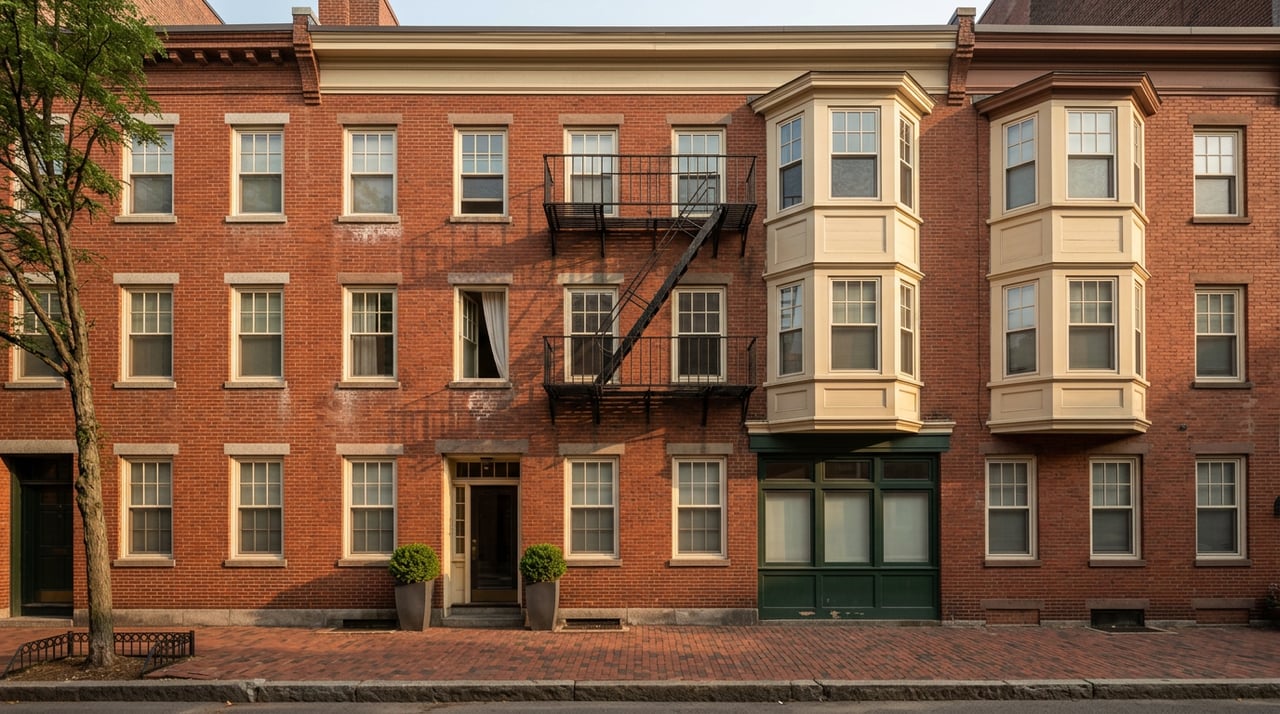
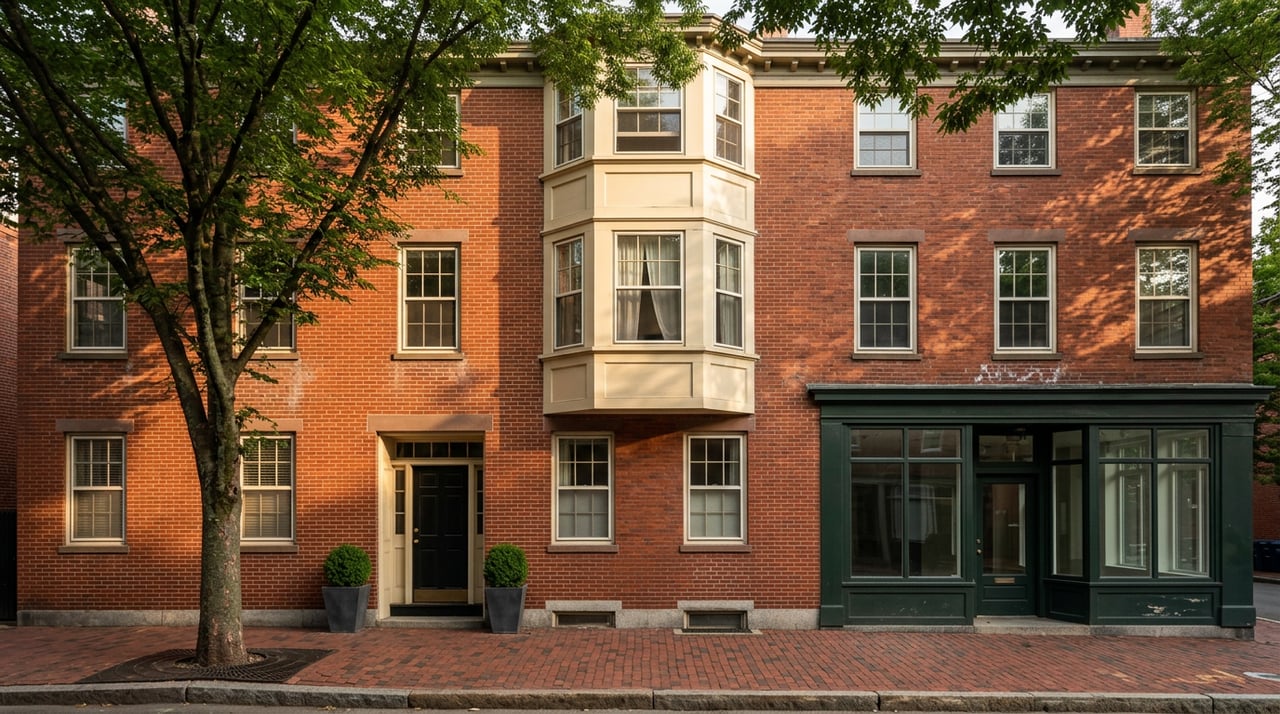
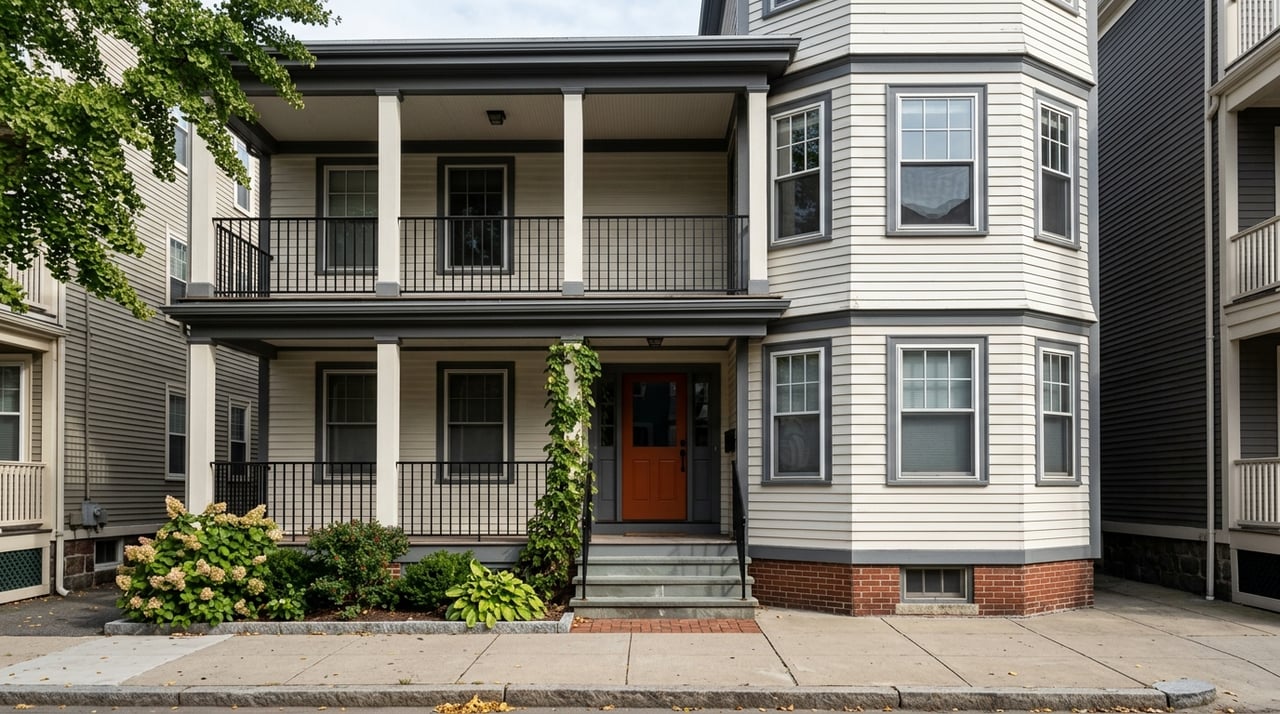
In older residential areas, condos are often found in converted multi-family homes or historic low-rise buildings. Cambridgeport’s neighborhood study notes that many triple-decker type houses were built to meet demand, which helps explain why older condo listings may offer a smaller footprint and a more traditional layout.
East Cambridge has a long history of condo conversion projects as well. A neighborhood study update reported about 60 condominium conversion projects there since 1981, showing that conversion inventory has been part of the local market for decades.
On the other hand, newer and larger-scale development tends to cluster more in East Cambridge and Kendall Square. City descriptions of those areas emphasize large apartment buildings, mixed-use projects, and redevelopment of former industrial land, which often points buyers toward more modern building formats.
Older versus newer condos
If you are comparing building types, it helps to think in terms of tradeoffs rather than winners and losers.
Older condos in places like Cambridgeport, Mid-Cambridge, and Harvard-area neighborhoods may offer character, established streetscapes, and lower-rise living. Some of these areas also fall within historic or neighborhood conservation districts, which helps explain why older building patterns remain such a visible part of the local landscape.
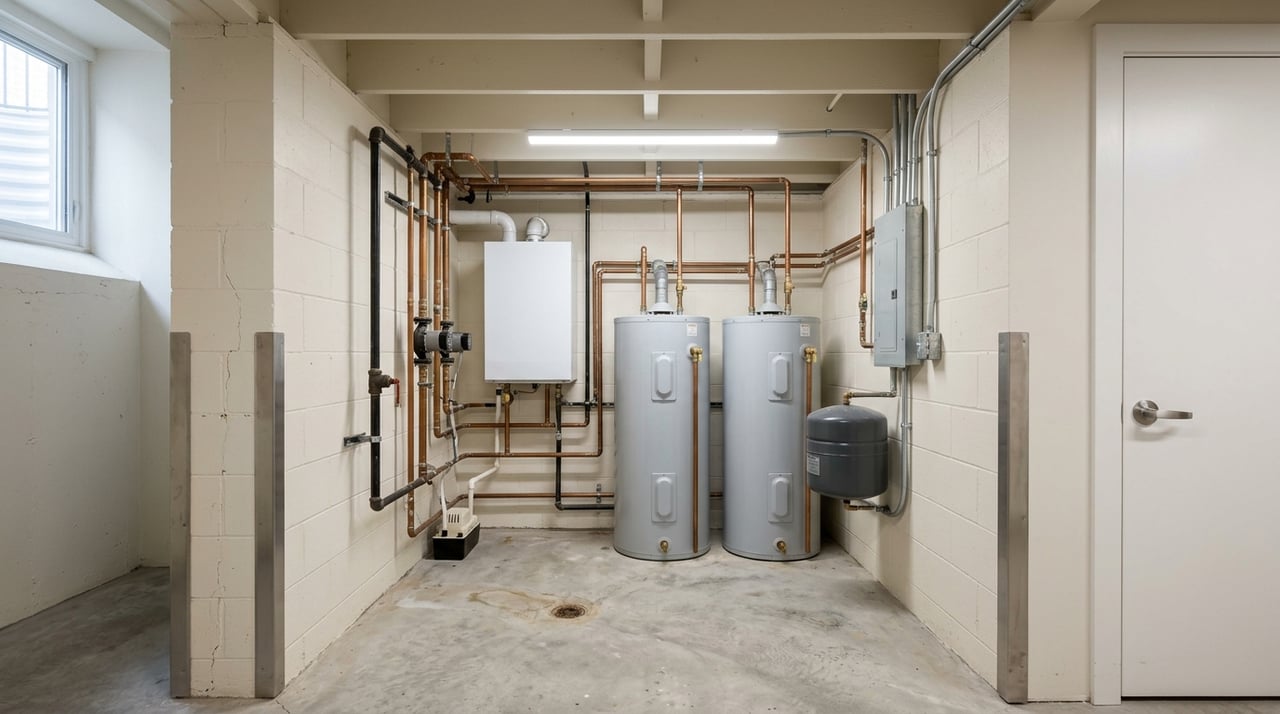
Newer condos in East Cambridge and Kendall Square may appeal if you want a more contemporary building or a larger-scale development setting. Depending on the property, that can mean a different layout, newer common systems, and a more recently built environment.
The right fit depends on how you live. If you care most about charm and neighborhood texture, older conversion stock may feel right. If you prioritize a more modern building experience, newer development may move to the top of your list.
Price matters in every decision
Cambridge condo living comes with a high price point, and that shapes the buying process. According to the City of Cambridge Demographics and Statistics FAQ, 27.6% of Cambridge dwelling units are condominiums, and the city estimates total housing stock at 58,170 units as of June 30, 2024.
The same city FAQ states that the 2024 median market-rate condo sale price in Cambridge was $870,000. That does not mean every condo costs the same, but it does mean buyers usually need to weigh tradeoffs carefully.
In this market, your budget may affect choices like:
- proximity to a Red Line or Green Line stop
- size and layout
- older conversion versus newer building
- parking availability
- bike storage
- level of street activity nearby
How to think about your search
When you tour Cambridge condos, it helps to focus on daily life questions first. That approach can keep you from choosing a unit that looks great online but does not fit how you actually want to live.
Here are a few useful questions to ask yourself:
- Which square do you want to live near most often?
- Do you want older character or a newer building feel?
- How important is parking in your weekly routine?
- Would bike storage make a real difference for you?
- Do you want to be right in the middle of activity or a few blocks away from it?
These questions matter because Cambridge condo living is often a balance between location and building type. The city offers lively urban centers, quieter residential pockets nearby, and a mix of housing stock that ranges from older conversions to newer mixed-use buildings.
Programs that may help some buyers
If you are early in your homebuying journey, it may be worth looking into city-supported ownership programs. The City of Cambridge offers programs including HomeBridge and the Homeownership Resale Pool, which may be relevant for eligible first-time or income-qualified buyers.
Programs like these will not fit every buyer, but they can be part of the conversation if affordability is one of your biggest concerns.
Buying a Cambridge condo is rarely just about the unit itself. It is about the square, the street, the building, the commute, and the lifestyle those pieces create together. If you want help sorting through those details and finding the right fit for how you live, connect with Urban Circle Realty.
FAQs
What is daily life like in a Cambridge condo?
- Daily life in a Cambridge condo is often shaped by your nearest square, transit stop, and building type, with many residents relying on walking, biking, and public transit for routine trips.
What are the main condo areas in Cambridge?
- Key condo-focused areas include Harvard Square, Mid-Cambridge, Baldwin, Central Square, Cambridgeport, Riverside, Kendall Square, East Cambridge, Inman Square, and Porter Square.
What types of condos are common in Cambridge?
- Cambridge condos include older converted multi-family homes and historic low-rise buildings, as well as newer large-scale and mixed-use buildings, especially in East Cambridge and Kendall Square.
How expensive are Cambridge condos?
- The City of Cambridge says the 2024 median market-rate condo sale price was $870,000, which makes tradeoffs around location, size, and amenities especially important.
Is it possible to live in Cambridge without driving every day?
- In many cases, yes, because Cambridge has extensive transit service, strong walkability, and expanded bicycle infrastructure, though parking access still varies by building.
Are there Cambridge homeownership programs for condo buyers?
- The City of Cambridge offers programs such as HomeBridge and the Homeownership Resale Pool that may help eligible first-time or income-qualified buyers.