Wondering whether Seaport’s luxury condo amenities are truly worth the premium? If you are comparing full-service towers in Boston’s Seaport District, it is easy to get pulled in by polished lobbies, roof decks, pools, and concierge desks without fully thinking through the day-to-day tradeoffs. The good news is that when you know which amenities match your routine, you can make a smarter decision about both lifestyle and monthly cost. Let’s dive in.
Why Seaport Is So Amenity-Focused
Seaport was planned as more than a cluster of residential buildings. Boston planning materials describe the South Boston Waterfront and Seaport as a fast-changing district with housing, workplaces, retail, civic uses, transit access, and public waterfront connections all working together. That matters because the amenity package in many Seaport condo buildings is part of a larger convenience-driven lifestyle.
The neighborhood’s growth helps explain why this model is so common. Boston planning says the South Boston Waterfront population grew 195% from 2010 to 2020, which means much of the housing stock is relatively new and built with shared amenities in mind. In practical terms, you are often buying into a managed, service-oriented routine as much as the unit itself.
Seaport also offers strong location-based lifestyle features that support this setup. Harborwalk access, cultural destinations, and transit links via I-90, the Silver Line, and MBTA buses all contribute to a live-work-play pattern that many buyers want. In this setting, amenities are rarely just decorative extras.
What Luxury Amenities Really Offer
In Seaport, amenities tend to fall into a few core categories: service, parking, outdoor living, and work or wellness support. The real value of each one depends on how often you will use it and whether it solves an everyday problem for you.
A building can look impressive on a tour, but the best amenities are the ones that remove friction from your life. If an amenity saves time, improves convenience, or extends your usable living space, it may be worth paying for. If it looks nice but goes mostly unused, it can become an expensive monthly line item.
Concierge and Building Service
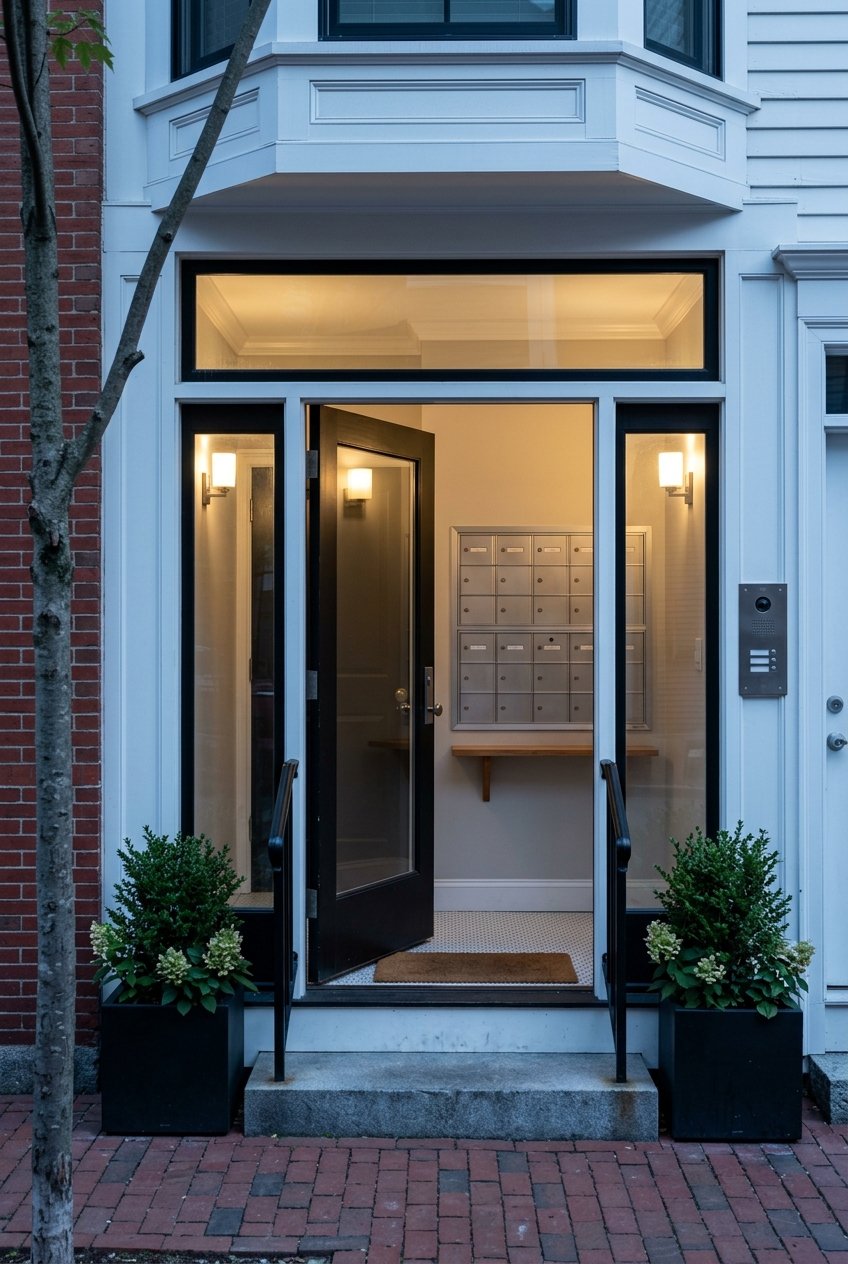
Concierge service is one of the signature features in Seaport’s full-service condo buildings. At properties like 22 Liberty at Fan Pier, concierge service is presented alongside other high-end building features such as private parking and a fitness spa. For many buyers, the appeal is simple: smoother package handling, easier guest access, vendor coordination, and a more polished arrival experience.
If you travel often, work long hours, or receive frequent deliveries, concierge service may feel less like a luxury and more like a practical support system. It can reduce small daily hassles and make the building feel more secure and organized. That convenience is often a major reason buyers choose Seaport over less service-heavy condo options elsewhere in Boston.
The tradeoff is cost. Staffing and service levels have to be funded through the condo association budget, so the convenience you enjoy every day is also part of your ongoing ownership expense. Before you buy, it is worth asking exactly what level of staffing is included and how many hours the desk is actually staffed.
Garage Parking
Parking can be one of the most valuable amenities in Seaport, especially if you drive regularly. In the South Boston Waterfront, city meter rates are $3.75 per hour on city-owned streets except D Street, and the South Boston parking freeze limits off-street parking supply. That makes private garage parking a meaningful quality-of-life feature rather than a minor bonus.
Some buildings build that advantage directly into their identity. 22 Liberty includes three stories of below-grade private parking, and Echelon Seaport advertises shared parking facilities. If you commute by car, want to avoid weather exposure, or simply do not want to think about parking logistics, this amenity can carry real long-term value.
If you rarely drive, the math changes. A deeded or rented parking space may add significant cost to your purchase and monthly carrying expenses without delivering much day-to-day benefit. In Seaport, parking is often a premium feature, so it is smart to treat it as a personal-use decision rather than an automatic must-have.
Roof Decks and Outdoor Space
Outdoor space is one of the easiest Seaport amenities to fall in love with. Gables Seaport, for example, includes a third-floor deck with a pool, yoga deck, green space, grill stations, and lounge and dining areas with harbor views. In a dense urban setting, that kind of shared outdoor access can feel like a real extension of your home.
For buyers who entertain, enjoy waterfront views, or want a place to unwind without leaving the building, outdoor amenities can be a major lifestyle upgrade. They often create the kind of everyday experience that helps justify Seaport pricing. In a neighborhood built around the waterfront, that connection to the outdoors carries special appeal.
Still, Boston’s seasons matter. A roof deck or pool may be heavily used in warm weather and far less useful in winter. If you are weighing cost carefully, ask yourself whether you will use the space enough to make it worth paying for all year.
Fitness, Wellness, and Coworking Space
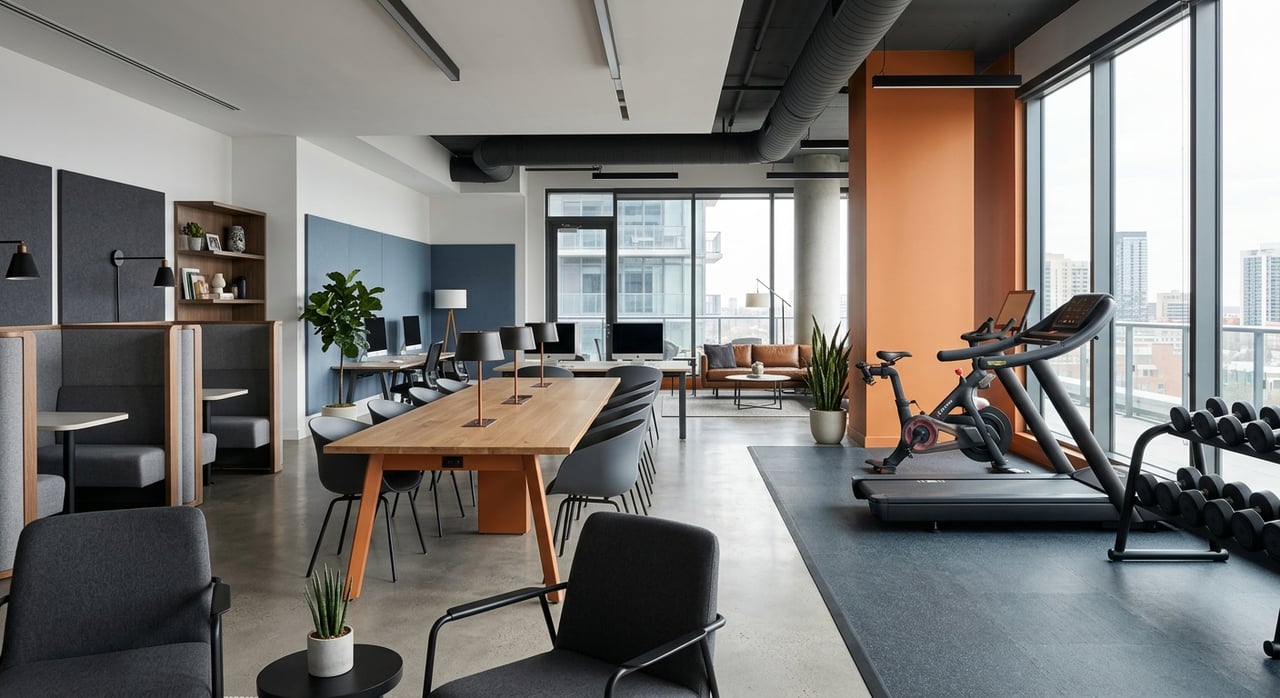
Many Seaport buildings now bundle fitness and remote-work amenities together. Gables Seaport includes co-working areas, study spaces, private conference rooms, and wellness-focused spaces, while Echelon Seaport includes indoor and outdoor pools and shared common areas. These features reflect how many newer buildings are designed around flexible work and convenience-driven routines.
If you work from home often, a coworking lounge or conference room can be very useful. It can give you a change of setting, a place to take meetings, or a better separation between work and home life. For residents who would otherwise pay for outside workspace or a separate gym, these amenities may offer practical savings.
The tradeoff is that shared spaces usually do not match the privacy, scale, or specialization of dedicated outside options. A building gym may not replace a full fitness club for every buyer, and a coworking room may not function like a true private office. The value depends on whether “good and convenient” works for your routine.
How Amenities Affect Condo Fees
This is where lifestyle and budget meet. Condo or HOA dues are generally paid directly to the association, and they can range from a few hundred dollars a month to more than $1,000. In Massachusetts, condo fees are set through the annual budget, with reserve funds used for capital maintenance and contingencies, and special assessments used when extra funds are needed for major repairs.
That structure matters in amenity-heavy buildings. The more your building offers in staffing, cleaning, equipment, maintenance, and shared operations, the more important it becomes to understand the budget behind the scenes. A beautiful amenity package is only part of the story.
A buyer should look beyond the monthly fee number alone. You also want to understand what the fee covers, how strong the reserves are, and whether there have been or may be special assessments. In Seaport, where service levels can be high, this review is a key part of making a confident purchase.
Which Amenities Help Resale Most
Not every amenity carries the same weight when it is time to sell. In Seaport, the strongest amenities tend to be the ones that solve common local needs or support a buyer’s routine in a clear, practical way. Parking, concierge service, outdoor space, and useful work-from-home areas often stand out more than flashy extras that sound impressive but see limited use.
Garage parking is a strong example because of the local parking constraints and cost. Features that save time or reduce friction usually have broad appeal, especially among buyers who want a turnkey urban lifestyle. That fits Seaport well, where many buyers are drawn to convenience as much as architecture or views.
On the other hand, if your top priority is the lowest monthly carrying cost or maximizing interior square footage, a less service-heavy condo elsewhere in Boston may fit better. Seaport’s luxury towers often appeal most to buyers who are comfortable paying a premium for ease, access, and managed common spaces. That is not right or wrong. It is simply a lifestyle choice with financial implications.
How To Prioritize Amenities On Tour
When you tour a Seaport condo, it helps to rank features by how you actually live. A practical order for many buyers is parking if they drive, concierge if they travel or get frequent deliveries, outdoor space if they entertain or want harbor views, coworking if they work from home often, and fitness if they want to replace a separate gym membership.
That order will not be the same for everyone. If your goal is low-friction ownership, Seaport’s full-service buildings may feel worth the premium. If your goal is lower monthly costs or larger private living space, you may prefer a simpler building with fewer shared features.
The key is to move past the showroom effect and ask specific questions. During a tour, focus on how the amenities function in real life, how often they are crowded, and how the building’s finances support them over time.
Smart Questions To Ask
- What exactly is included in the monthly condo fee?
- Are concierge, gym, roof deck, and coworking spaces open daily or only at certain hours?
- Is parking deeded, rented, valet-only, or waitlisted?
- Is EV charging available?
- How busy do amenities get at peak times?
- Are there any planned capital projects or special assessments?
- What are the pet, guest, move-in, and contractor rules?
- What is the owner-occupied versus rented unit mix?
The Bottom Line For Seaport Buyers
In Seaport, luxury amenities can absolutely improve your day-to-day life, but only when they match your habits. The best buildings are not simply the ones with the longest amenity list. They are the ones where the services, spaces, and fees line up with how you want to live in Boston.
If you are deciding between multiple Seaport condos, it helps to compare them through a practical lens: what saves you time, what you will use consistently, and what you are comfortable paying for month after month. That is where the real tradeoff lives.
If you want clear, local guidance on Seaport condos and what truly adds value for your goals, connect with Urban Circle Realty. Their owner-led team can help you weigh amenities, fees, and long-term fit with confidence.
FAQs
What do luxury condo amenities in Seaport usually include?
- Many Seaport buildings focus on concierge service, garage parking, roof decks or outdoor lounge areas, fitness spaces, pools, and coworking or conference rooms.
How do Seaport condo amenities affect monthly fees?
- Amenities can increase monthly condo fees because staffing, maintenance, cleaning, equipment, and shared-space upkeep are typically funded through the association budget.
Is garage parking worth it in Seaport Boston?
- If you drive often, garage parking can be very valuable because parking in the South Boston Waterfront is limited and city meter rates on most city-owned streets are $3.75 per hour.
Are roof decks and pools worth paying for in Boston?
- They can be worth it if you use them regularly for entertaining, relaxing, or enjoying waterfront views, but Boston’s seasonal weather means some outdoor amenities may be used less in winter.
What should you ask before buying a Seaport condo with amenities?
- Ask what the condo fee covers, whether any special assessments are planned, how parking is handled, when amenities are open, and how crowded shared spaces get.
Do luxury amenities help Seaport condo resale value?
- Amenities tend to help most when they solve practical local needs, such as parking, concierge support, useful outdoor space, and well-run work-from-home areas.