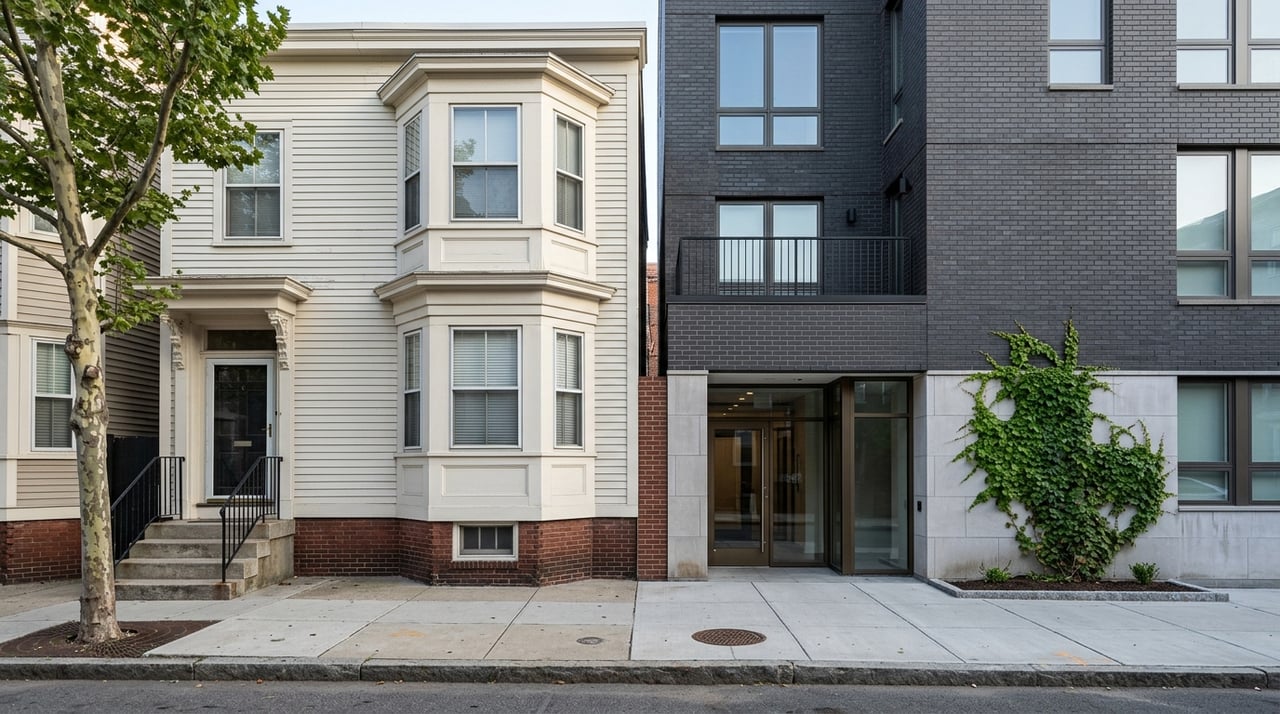
Wondering whether a sleek newer condo or a character-filled older building is the better fit in Fenway? You are not alone. In a neighborhood where brick row houses sit near newer towers and where daily life can revolve around culture, transit, green space, and Longwood access, the right choice often comes down to how you want to live, not just what looks best online. This guide will help you compare the tradeoffs, ask smarter questions, and feel more confident about your next move. Let’s dive in.
Fenway offers two distinct condo experiences
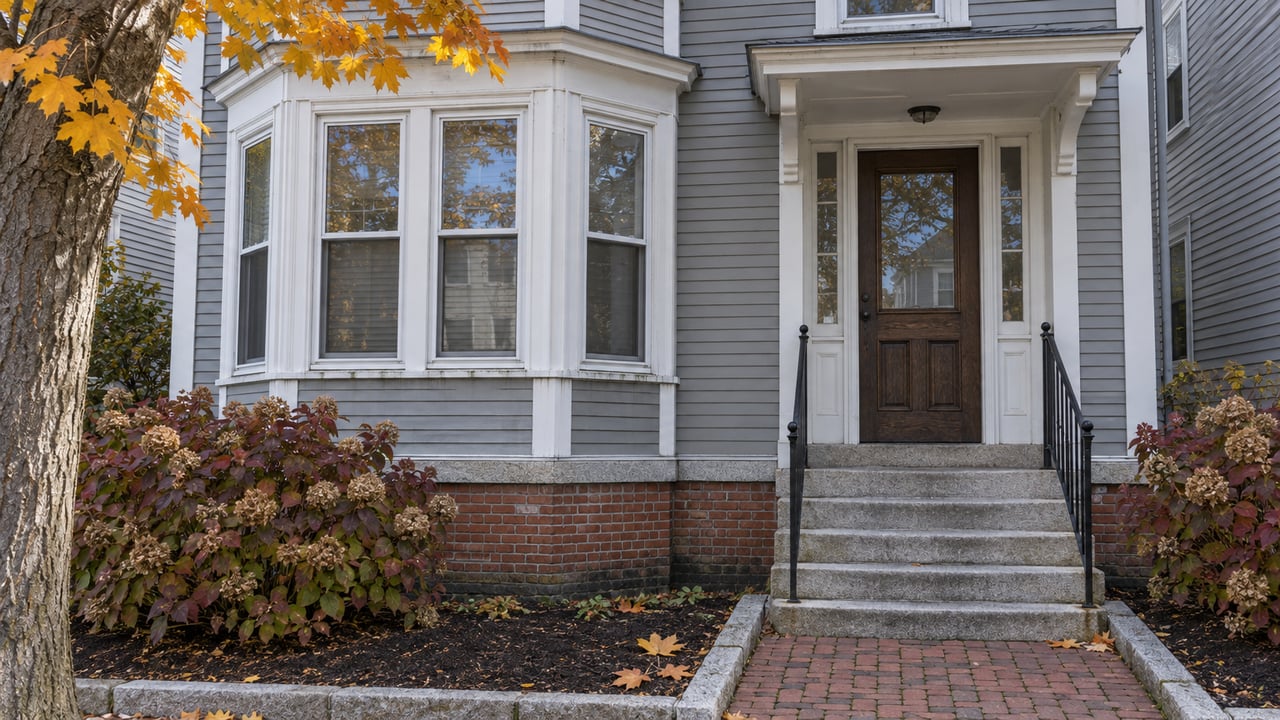
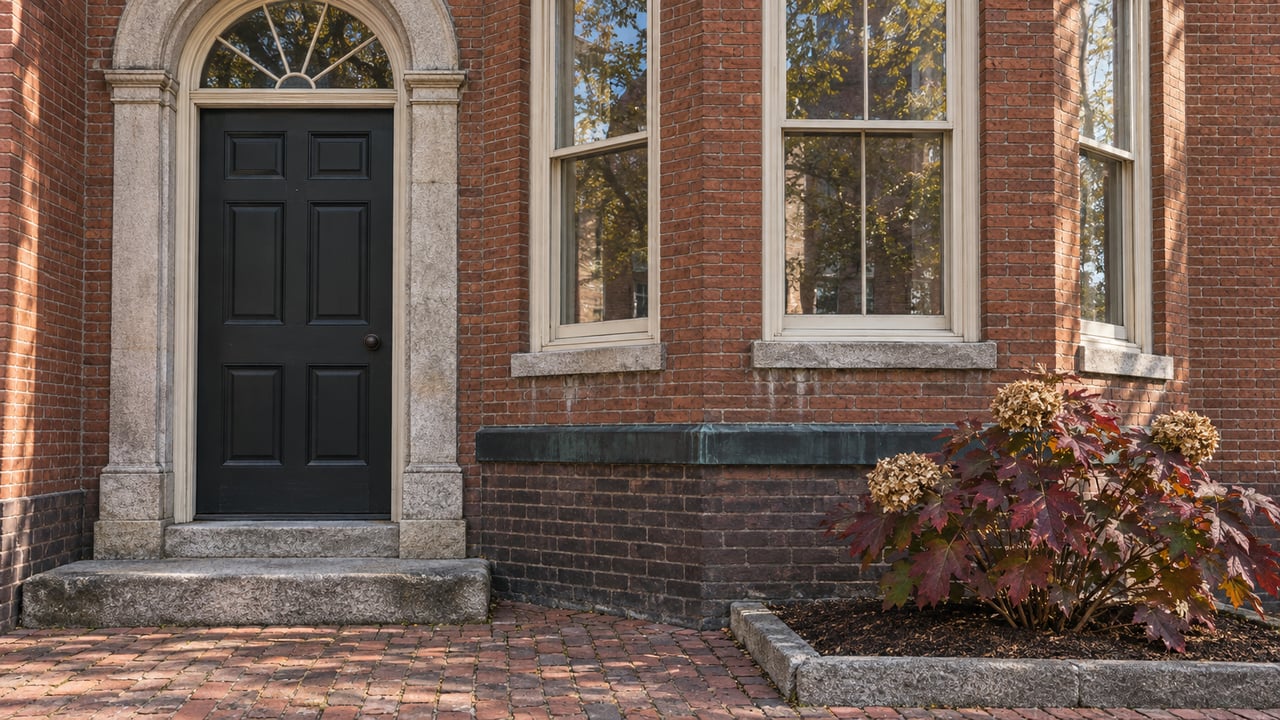
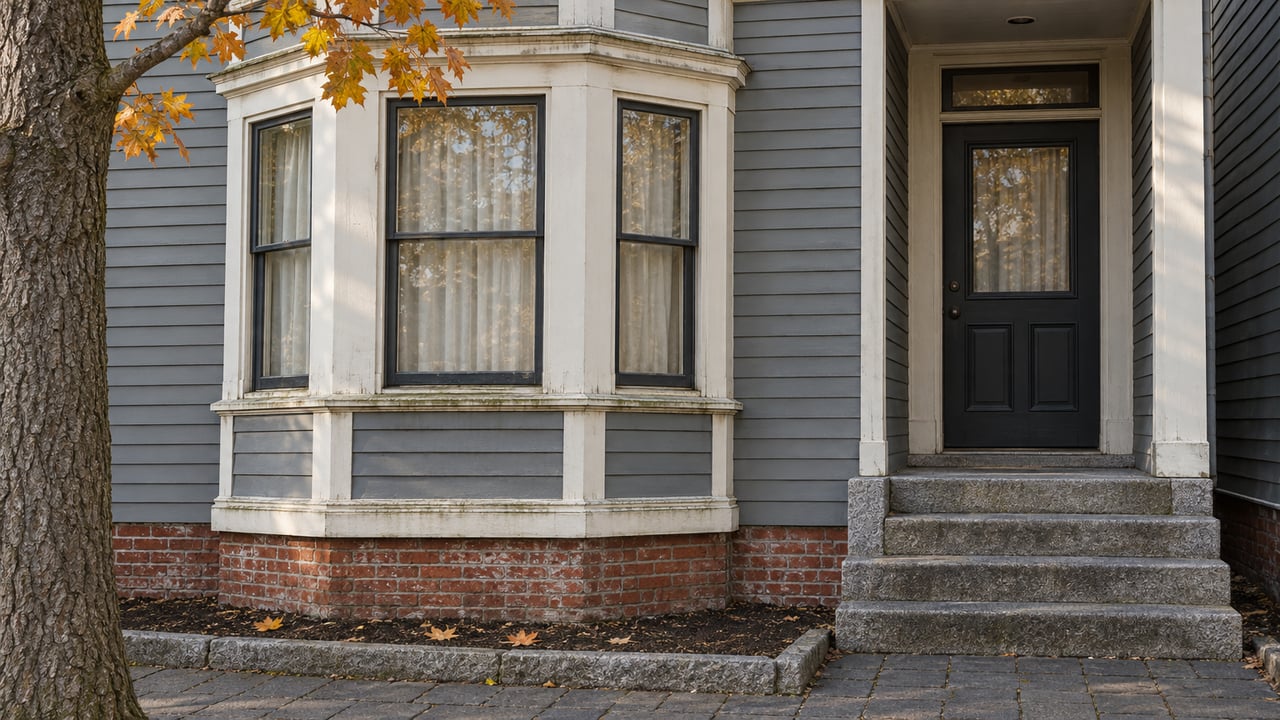
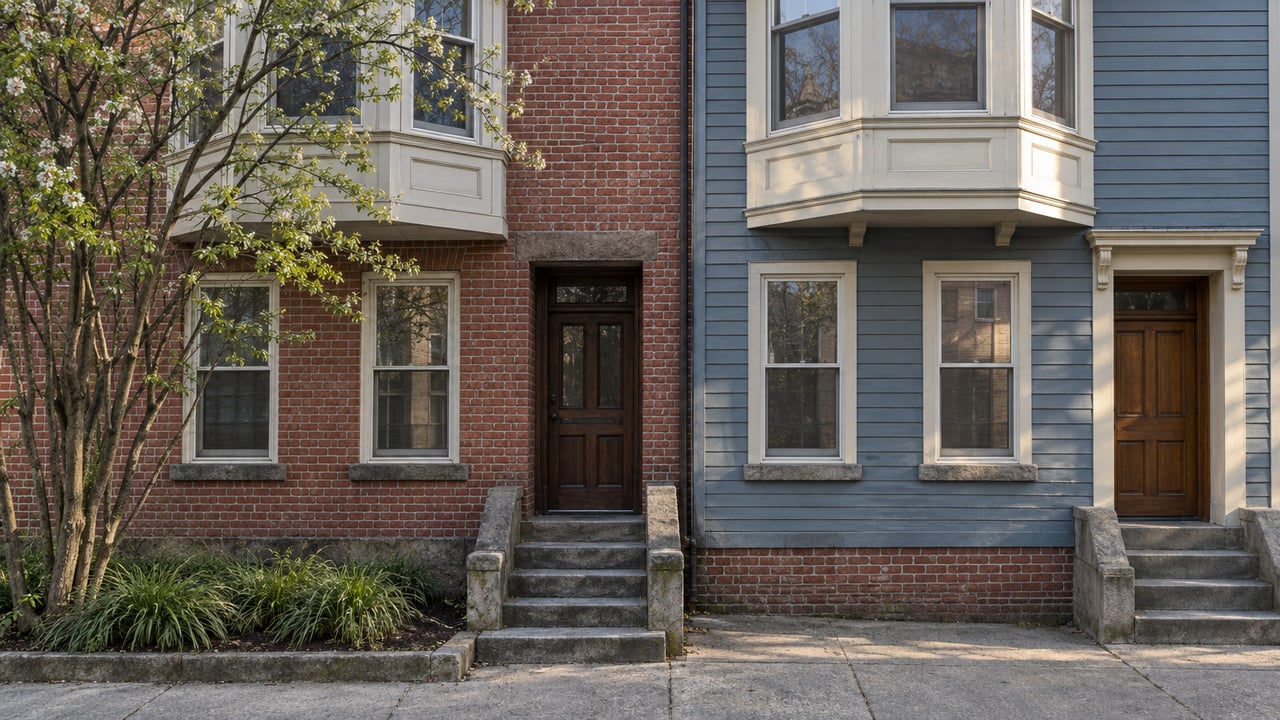
Fenway stands out because it blends older Boston architecture with newer vertical development. Boston Planning describes the area as a mix of stately brick row houses near the Charles River and Emerald Necklace and newer apartment and condominium towers closer to Fenway Park.
That means your condo search may quickly split into two paths. You may be choosing between a more turnkey, modern building or an older property with more architectural detail and a different sense of place.
Fenway is also more than a housing decision. The neighborhood connects Downtown Boston with Allston and Brighton, and it sits near major cultural destinations, parks, and transit connections that shape day-to-day life.
Why buyers choose new condos
Newer condo buildings usually appeal to buyers who want simplicity and predictability. In practical terms, that often means more standardized layouts, larger windows, modern kitchens and baths, and newer building systems.
For busy professionals or relocators, that can be a major advantage. A newer condo may feel more move-in ready, with fewer near-term repair surprises and less guesswork about how recently systems were updated.
The U.S. Department of Energy notes that certified new homes are designed for energy savings, comfort, health, and durability. While every building is different, that general design goal helps explain why many buyers are drawn to new construction when efficiency matters.
Common features in newer buildings
Many newer Fenway condos attract buyers with features like:
- Elevators
- Accessible common areas
- More consistent floor plans
- Contemporary finishes
- A more turnkey living experience
In Fenway, newer construction tends to cluster near the neighborhood’s more recent development patterns. If you value convenience and a polished feel, that may be exactly what you want.
Why buyers choose historic or older condos
Older Fenway condos offer something many newer buildings cannot easily replicate. They often come with brick exteriors, distinctive architectural details, and layouts that feel more rooted in Boston’s built history.
Boston Planning’s description of Fenway’s older brick housing stock helps explain the appeal. These homes can offer a stronger sense of place and a more individual feel than a newer tower with highly standardized units.
For some buyers, that character matters more than having a full amenity package. If you love period detail, unique floor plans, and the experience of living in a classic Boston building, an older condo may feel like the better fit from day one.
What to look at more closely
The tradeoff is that older buildings often need a closer review during due diligence. Pay extra attention to:
- The quality of past renovations
- Whether major systems have been updated
- Sound transfer between units
- Available storage
- How efficient or compact the layout feels
These are not automatic red flags. They are simply the kinds of details that can vary more in older or converted buildings.
Condo fees matter more than you think
One of the biggest mistakes buyers make is comparing condo fees without looking at what sits behind the number. In Massachusetts, condo fees are budget-driven common expenses, and they may cover maintenance, repairs, improvements, and other shared costs.
State guidance also requires an adequate replacement reserve fund that is collected as part of common expenses and kept separate from operating funds. That matters because reserves can tell you a lot about how prepared a building is for future capital needs.
Two Fenway buildings can have the same monthly fee and still offer very different financial pictures. One may have healthy reserves and a proactive maintenance plan, while another may be underfunded and more exposed to future assessments.
Questions to ask about fees and finances
When you compare buildings, ask for clarity on:
- What the monthly fee includes
- The current reserve balance
- Any recent special assessments
- Any planned assessments or major projects
- Whether utilities or services are included
Under Massachusetts guidance, special assessments can be added when costs exceed the current budget and reserves. That makes the building’s financial health just as important as the unit itself.
New versus historic: the real tradeoff
For many buyers, this is not really a debate about better or worse. It is a question of priorities.
A newer building often makes sense if you want turnkey living, more predictable near-term maintenance, and modern systems. An older building often makes sense if you value charm, distinctive architecture, and a more classic Fenway feel.
Here is a simple side-by-side view:
| Consideration | Newer Condo Buildings | Historic or Older Buildings |
|---|---|---|
| Layouts | More standardized | More individualized |
| Systems | Usually newer | More variable by building |
| Style | Contemporary | Character-rich and classic |
| Maintenance outlook | Often more predictable near term | Requires closer review |
| Amenities | More likely to include modern common features | Often lighter on amenities |
| Sense of place | Polished and efficient | Stronger architectural identity |
The best option is the one that aligns with how you plan to use the property and what tradeoffs feel acceptable to you.
Fenway location can outweigh the building type
In Fenway, the location of the building may matter just as much as whether it is new or old. This is especially true if your routine is tied to Longwood, central Boston, or transit access.
Boston Planning describes Fenway as a link between Downtown and Allston-Brighton. The Longwood Collective says its member institutions include major medical and academic organizations employing more than 73,000 people. For many buyers, that makes commute efficiency a key part of the decision.
If you work in or near Longwood, a slightly smaller or less updated condo in the right location may be more valuable to your daily life than a larger unit farther from your routine. The opposite can also be true if you prioritize amenities, parking, or a more modern building setup.
Lifestyle factors worth weighing
Fenway also offers strong access to culture, parks, and active transportation. The neighborhood includes destinations such as Fenway Park, the Museum of Fine Arts, Symphony Hall, and the Back Bay Fens.
The Fenway Cultural District includes major institutions and draws more than 3.9 million visitors annually. Boston also describes the Fenway path network as part of a broader connection to parks, transit stations, jobs, and cultural institutions.
As you compare buildings, think beyond finishes and square footage. Ask yourself how close you want to be to transit, green space, cultural destinations, and your most frequent commute.
How to decide which building type fits you
If you are still torn, simplify the decision by focusing on your top priorities. Most buyers find clarity when they rank convenience, character, budget, and maintenance tolerance.
A newer Fenway condo may be the stronger match if you want:
- Turnkey living
- Newer systems
- A more predictable near-term maintenance profile
- Elevator or accessible common-area features
- A more polished, modern building environment
An older or historic condo may be the stronger match if you want:
- Architectural character
- A more distinctive floor plan
- A classic Boston feel
- Proximity and charm over amenities
- The chance to buy into a building with a strong sense of place
The key is to match the building to your real life, not to an idealized checklist. A condo that works beautifully for one buyer may feel limiting to another.
Due diligence is where confidence comes from
In Fenway, condo shopping should go beyond finishes and staging photos. The smartest buyers look closely at the building, the association, and the location before making a final decision.
That means reviewing the condo budget, reserve balance, fee structure, and assessment history. It also means understanding what kind of insurance you will need as a unit owner, since Massachusetts guidance explains that the association master policy usually covers the building and common areas, while unit owners need coverage for what the master policy does not cover inside the unit.
When you compare new and historic buildings this way, the decision usually gets clearer. You stop asking which one is better in general and start asking which one is better for your lifestyle, risk tolerance, and long-term plans.
If you are weighing condo options in Fenway, Urban Circle Realty can help you compare buildings with a sharper eye, understand the tradeoffs, and make a move with confidence.
FAQs
What is the main difference between new and historic condo buildings in Fenway?
- Newer condo buildings in Fenway usually offer more modern layouts, finishes, and systems, while historic or older buildings often offer more architectural character and more individualized floor plans.
What should you review before buying a Fenway condo with high monthly fees?
- You should review what the fee includes, the building’s reserve balance, any recent or planned special assessments, and whether the overall budget appears to support future maintenance needs.
Why does location matter so much when choosing a Fenway condo building?
- Location matters because Fenway connects to Downtown, Allston-Brighton, Longwood, parks, transit, and major cultural destinations, so your commute and daily routine can be just as important as the unit features.
Are older condo buildings in Fenway always more expensive to maintain?
- Not always, but older buildings usually require closer review because renovation quality, system updates, sound transfer, and reserve planning can vary more from one property to another.
What insurance should you expect to carry as a Fenway condo owner?
- Massachusetts guidance says the condo association master policy usually covers the building and common areas, while you as the unit owner typically need coverage for what is not covered inside your unit.