Craving the North End’s espresso and cannoli but wondering what daily life looks like once the tour groups head home? You are not alone. Many buyers and renters love the charm here and want a clear view of the tradeoffs, from small historic homes to summer festival crowds. In this guide, you will learn what it costs to live here, how the housing stock works, where locals spend time, and the practical steps to take before you buy or lease. Let’s dive in.
North End at a glance
The North End is compact, historic, and extremely walkable. According to Walk Score’s neighborhood snapshot, the area earns near perfect scores for both walkability and transit access, which is exactly what you feel on the ground. You are next to downtown and Boston Harbor, with daily errands and nightlife within a few blocks.
On pricing, the neighborhood commands a premium. Redfin reported a median sale price of about 824,000 dollars in January 2026, while Zillow’s neighborhood index showed a typical home value near 891,000 dollars through January 31, 2026. Rents also run high for Boston, with Zumper’s February 2026 snapshot showing a median around 3,600 dollars per month across unit types, with many one bedrooms in the high 2,000s and two bedrooms in the mid 3,000s.
What the homes are like
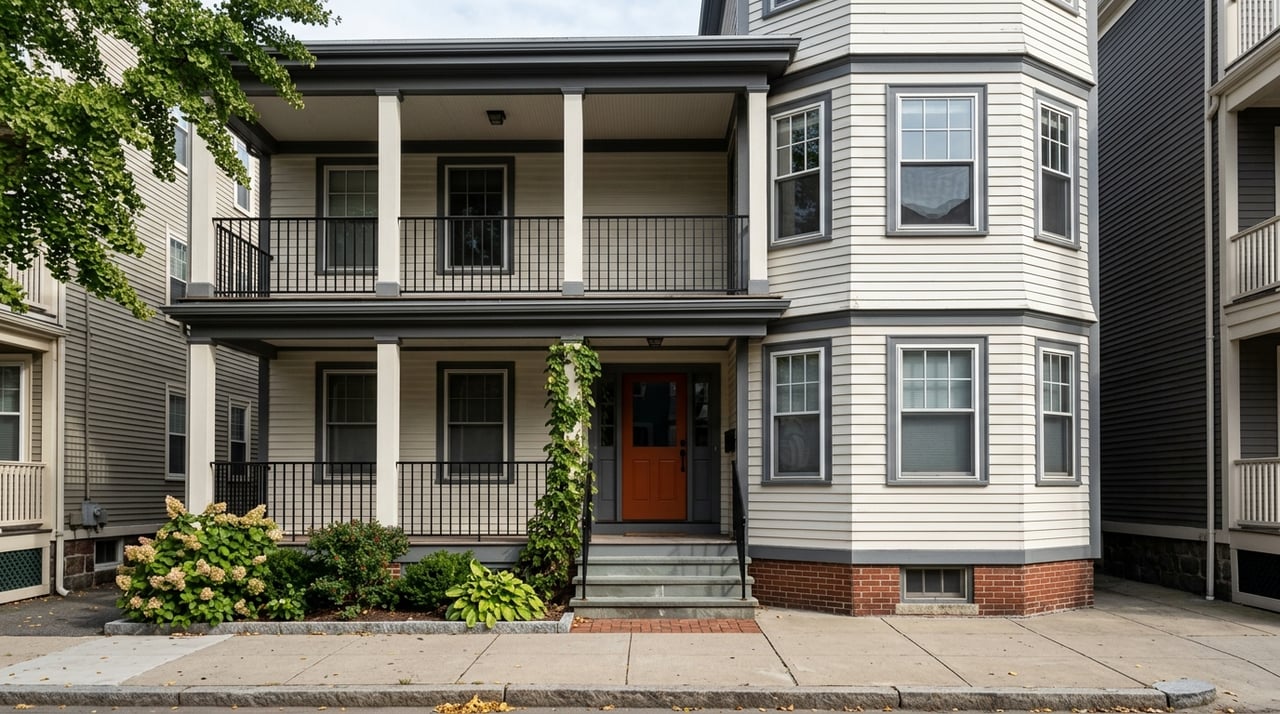
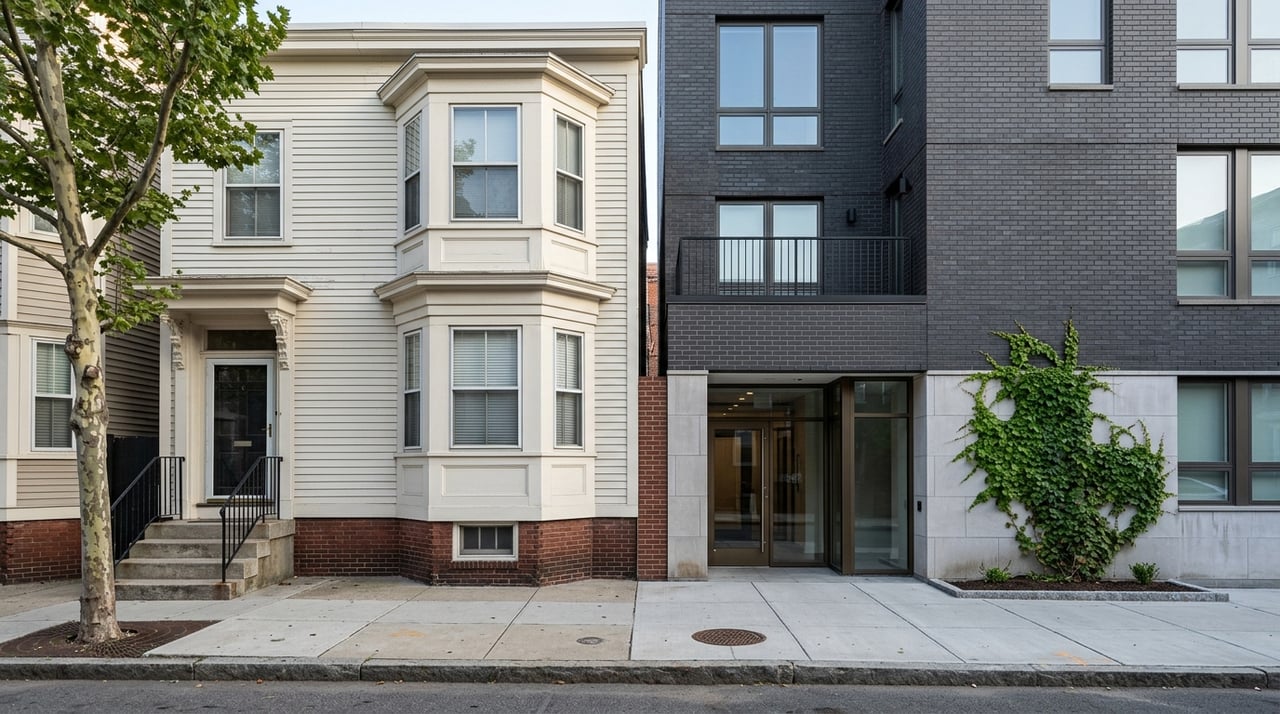
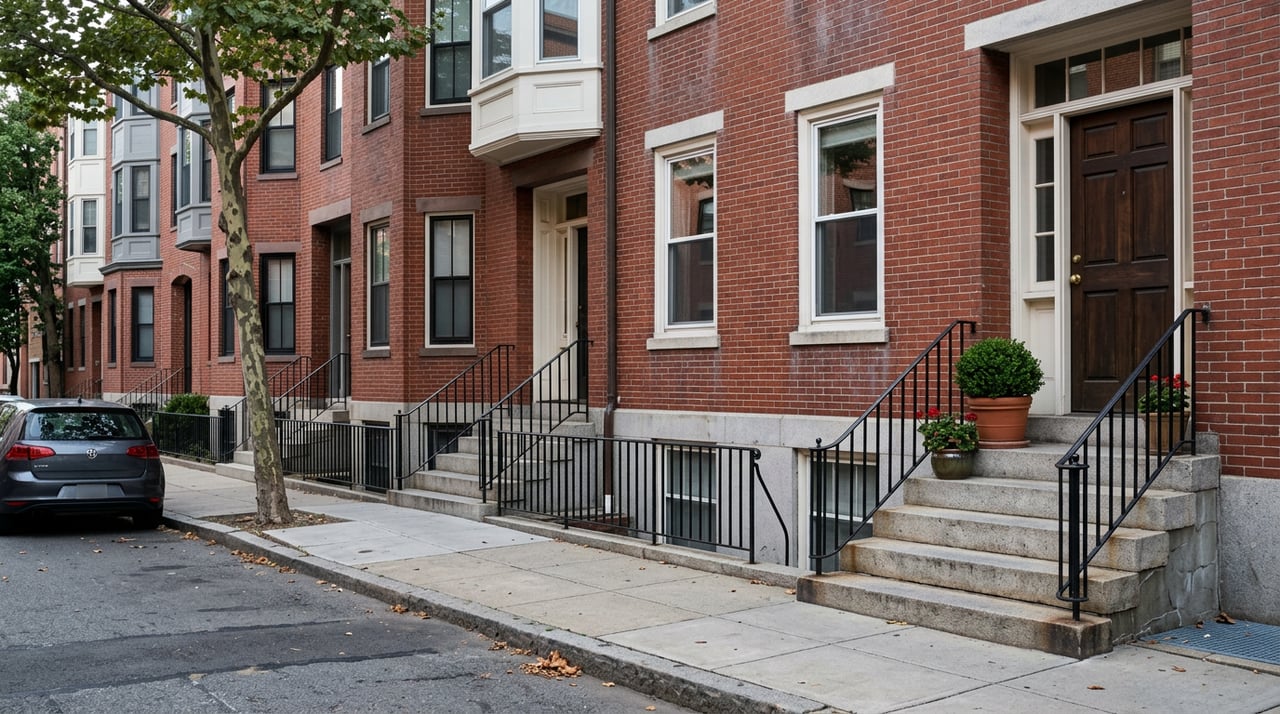
Most homes are in brick rowhouses and small multi-unit buildings. Many of these are older properties that were later converted to condos, so you will see compact floor plans, narrow staircases, and floor-through or stacked layouts rather than sprawling open concepts. Studios and one to two bedroom condos are common, and elevators are less common in smaller walk-ups.
Newer waterfront buildings exist, but they are fewer and often command higher prices per square foot. Expect a wide range of finishes. Renovated units can feel fresh and efficient, while unrenovated spaces might have petite kitchens and baths that reflect the building’s age. Condo fees also vary. Small associations may have modest monthly dues, while full-service waterfront buildings can carry higher assessments to cover amenities and utilities. Ask for recent reserve studies and a multi-year history of fees before you make an offer.
Daily rhythm beyond the tourist spots
The North End is a residential neighborhood with a lively public face. Hanover Street and the surrounding blocks are lined with restaurants, bakeries, and specialty shops, which create steady foot traffic year round. Summer is the busiest season. Longstanding Italian feasts bring street closures, parades, and big crowds, especially in August. If you want a flavor of that calendar, browse Boston.com’s coverage of the Fisherman’s Feast.
With that energy comes noise and nightlife. Residents and the city work together on nuisance issues, and patrols step up in peak months. If you are sensitive to nighttime sound, consider a home a block or two off the busiest corridors and ask about window upgrades or association rules that address quiet hours.
Parks, waterfront, and places to breathe
One of the biggest upsides to living here is direct access to the water and green space. The Harborwalk connects piers and promenades along the waterfront, linking to Long Wharf and Rowes Wharf, and it is a favorite for morning runs and sunset strolls. For a map and context, see the Boston Harborwalk public access resource.
You will also use Christopher Columbus Park and the Rose Kennedy Greenway for dog walks, picnics, and weekend lounging. Small neighborhood fields like Puopolo and Langone Park serve pickup games and kids’ activities. Community life is active too. The North End Waterfront Residents Association, or NEWRA, is a key voice on zoning, licensing, and quality of life, and the Nazzaro Community Center hosts programs and meetings that keep neighbors connected.
Getting around is simple
The North End is a walker’s neighborhood first. Many residents skip car ownership altogether because errands, dining, and downtown offices are close by. Transit is a strong backup. North Station and Haymarket are within walking distance of most blocks, and the Blue Line at Aquarium is also nearby for airport and Waterfront access. For a quick feel of how easy that makes daily life, start with Walk Score’s breakdown.
Safety, policing, and common-sense tips
Like any dense urban area with visitors, petty theft can occur, especially in crowded areas. The Boston Police A-1 district, which includes the North End, reported a 4 percent drop in Part One crime in 2025 compared with the prior year, according to the Beacon Hill Times. Standard urban habits go a long way. Keep bags closed, secure bikes properly, and consider small safes or smart locks for peace of mind.
Practical living: cars, fees, and fine print
Parking is limited and many streets are resident-permit only. The City outlines eligibility and how to apply for a permit on its resident parking permit page. If you need off-street parking, expect monthly garage rates downtown to range from the low to high hundreds per month depending on location and amenities. Some condo buildings have deeded or leased spaces, but many do not.
If you plan to host short-term rentals, learn the rules early. Boston requires registration, safety compliance, and owner occupancy for many categories. Start with the City’s guide to short-term rentals and confirm that your building allows them. Many associations prohibit STRs outright or restrict them to protect neighbors.
Exterior renovations and window changes may trigger historic review. The City’s Historic Preservation framework helps maintain the neighborhood’s character, but it can add time and cost to exterior projects. Always check permit histories and ask your contractor to scope review requirements before you budget.
Flood risk is also part of the conversation for waterfront neighborhoods. The City and partners are advancing plans under Resilient Boston Harbor to protect the coastline. Ask for a property’s elevation, review current flood maps, and check whether your lender will require flood insurance.
Who loves living here
- Urban professionals who want a quick walk to downtown offices, restaurants, and harbor paths.
- First-time buyers who value location and charm over square footage.
- Investors who prefer smaller, easy-to-lease units with strong walkability and dining access. If you plan to rent, factor in building rules and the City’s STR framework.
- Households that enjoy community life. Families often mention the Eliot K to 8 public school nearby as part of their decision set, along with access to parks and the Harborwalk. As with any public school option, learn about admissions timelines and seat availability early.
Buyer and renter checklists
Size, layout, and access
- Measure square footage carefully and compare price per foot across recent sales.
- Walk the stairwells. Narrow stairs and limited elevator access can affect moves and daily life.
- Note storage options, ceiling heights, and daylight. In small condos, these details matter.
Condo fees and building health
- Request the last two years of condo budgets, current reserves, and any special assessments.
- Ask what utilities or services are included in the monthly fee.
- Review meeting minutes for capital projects like roof, masonry, or window work.
Parking and transportation
- Confirm eligibility for a City resident parking permit.
- Price nearby garage options if you need a dedicated space.
- Map your daily routes to transit, grocery, and green space.
Noise, festivals, and seasonal patterns
- Visit at different times of day and on a summer weekend. Streets can be closed during feasts highlighted by Boston.com’s festival coverage.
- Ask about association quiet hours and any building sound mitigation.
Short-term rentals and leasing
- Verify eligibility and building policy using the City’s short-term rental rules.
- If you plan to lease long term, confirm any minimum lease length or move-in rules.
Historic review and permits
- For exterior work, check the City’s Historic Preservation resources and review past permits.
Flood risk and insurance
- Ask about elevation, past flood history, and the need for flood insurance.
- Review waterfront plans under Resilient Boston Harbor for context on future shoreline improvements.
Renting in the North End
If you are renting, set expectations around space, price, and timing. As of February 2026, Zumper’s neighborhood data shows median asking rents near 3,600 dollars per month, with many one bedrooms in the high 2,000s and two bedrooms in the mid 3,000s. Listings can move quickly, and many have broker fees. Have your documents ready, tour promptly, and be prepared to act when a well-located unit with good light and updated finishes comes up.
Final take
Living in the North End means trading square footage for character, location, and convenience. You get waterfront walks, a deep sense of history, and a true neighborhood feel. You also plan around crowds during feast season, limited parking, and the quirks of older buildings. If that balance fits your lifestyle, the North End can be an incredibly rewarding place to call home.
Ready to explore North End listings or compare this neighborhood with nearby options like Beacon Hill, Back Bay, or East Boston’s waterfront? Connect with the team at Urban Circle Realty for expert guidance on buying, renting, or managing in central Boston.
FAQs
How much does it cost to buy a condo in Boston’s North End in 2026?
- Redfin reported a median sale price near 824,000 dollars in January 2026, and Zillow’s neighborhood index showed a typical value around 891,000 dollars through January 31, 2026. Exact prices vary by size, condition, and whether the building is waterfront.
What are typical rents in the North End right now?
- As of February 2026, Zumper’s data shows a median around 3,600 dollars per month, with many one bedrooms in the high 2,000s and two bedrooms in the mid 3,000s.
Is the North End walkable and close to transit for daily commutes?
- Yes. Walk Score rates the neighborhood near the top for walkability and transit, with North Station, Haymarket, and Aquarium stations within a short walk of many blocks.
What is parking like for residents?
- On-street spaces are limited and many streets are permit only. Check the City’s resident parking permit requirements, and price a monthly garage if you need guaranteed parking.
How noisy is it during summer festivals on or near Hanover Street?
- Expect lively crowds, street closures, and extended hours during major feasts like the Fisherman’s Feast covered by Boston.com. Visiting on a summer weekend is the best way to test your noise tolerance.
Are there flood risk or climate resilience plans that affect the North End?
- Yes. The City’s Resilient Boston Harbor initiative outlines projects to protect the coastline. Ask about a property’s elevation and any flood insurance requirements.
What should investors know about short-term rentals in the North End?
- Boston requires registration and has owner occupancy and safety rules for many STR types. Always confirm eligibility and building policy using the City’s short-term rental guide before underwriting any income.