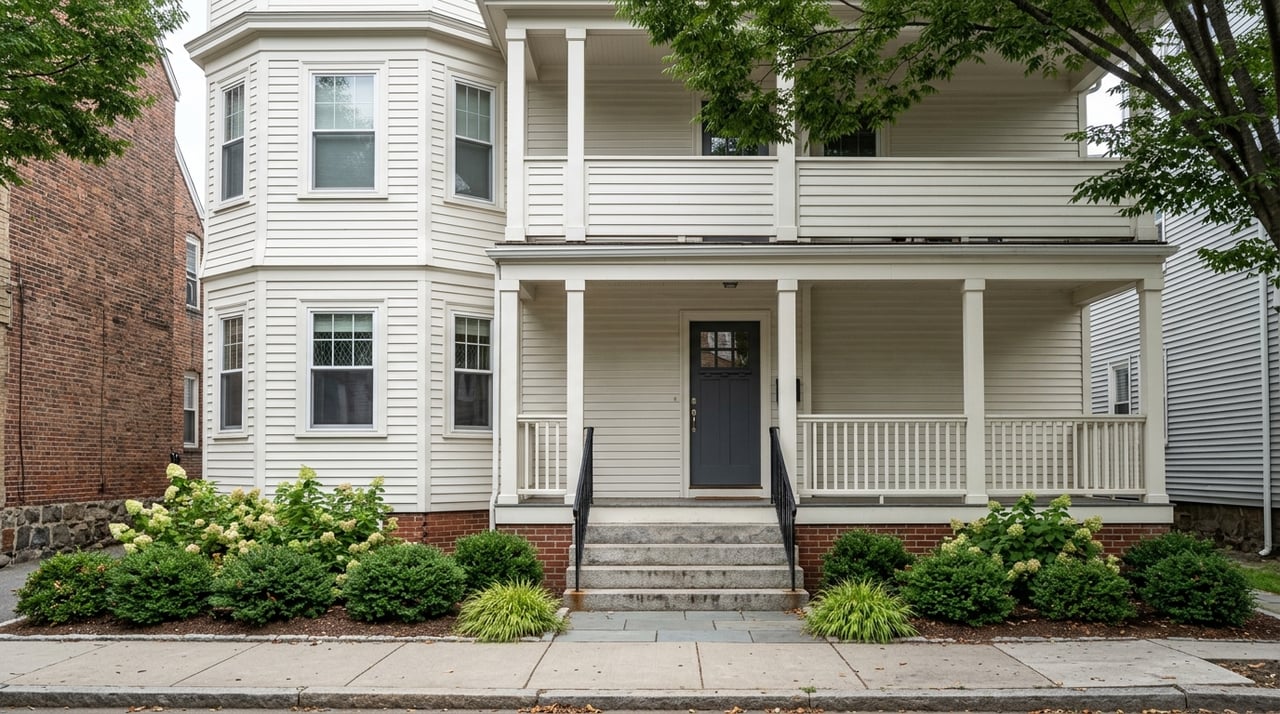
Trying to choose between Cambridge and Somerville for your next condo? You are not alone. Many buyers assume Cambridge is always the pricier option and Somerville is always the better value, but the current data tells a more nuanced story. If you are weighing commute, building style, lifestyle, and long-term upside, this guide will help you compare the two markets with more clarity. Let’s dive in.
Price Differences Today
If you look at the broader housing market, Cambridge still carries the higher price tag. In March 2026, Cambridge posted a median sale price of $1.35 million and a median price per square foot of $886, according to Redfin’s Cambridge housing market data. Somerville came in lower, with a median sale price of $952,000 and a median price per square foot of $657.
But condo buyers should not stop there. Current Redfin condo data for Cambridge shows something many buyers find surprising: the median condo listing price is $899,000 in Cambridge and also $899,000 in Somerville. That means the city name alone may not tell you as much as the specific building, association, and location within each market.
Inventory and pace differ a bit, too. Cambridge currently has 127 condos for sale, compared with 90 in Somerville. Cambridge condo listings are also staying on the market a little longer, at about 27 days, while Somerville condos are averaging about 20 days.
What the Numbers Mean for You
The simplest takeaway is this: Cambridge has a higher overall pricing floor, but condo list prices can overlap more than expected. If you are shopping in the same price band in both cities, your decision may come down less to city limits and more to what you get for the money.
That could mean comparing square footage, parking, association size, monthly condo fees, outdoor space, noise exposure, or the walk to transit. In this market, those details matter just as much as the address.
Condo Building Types
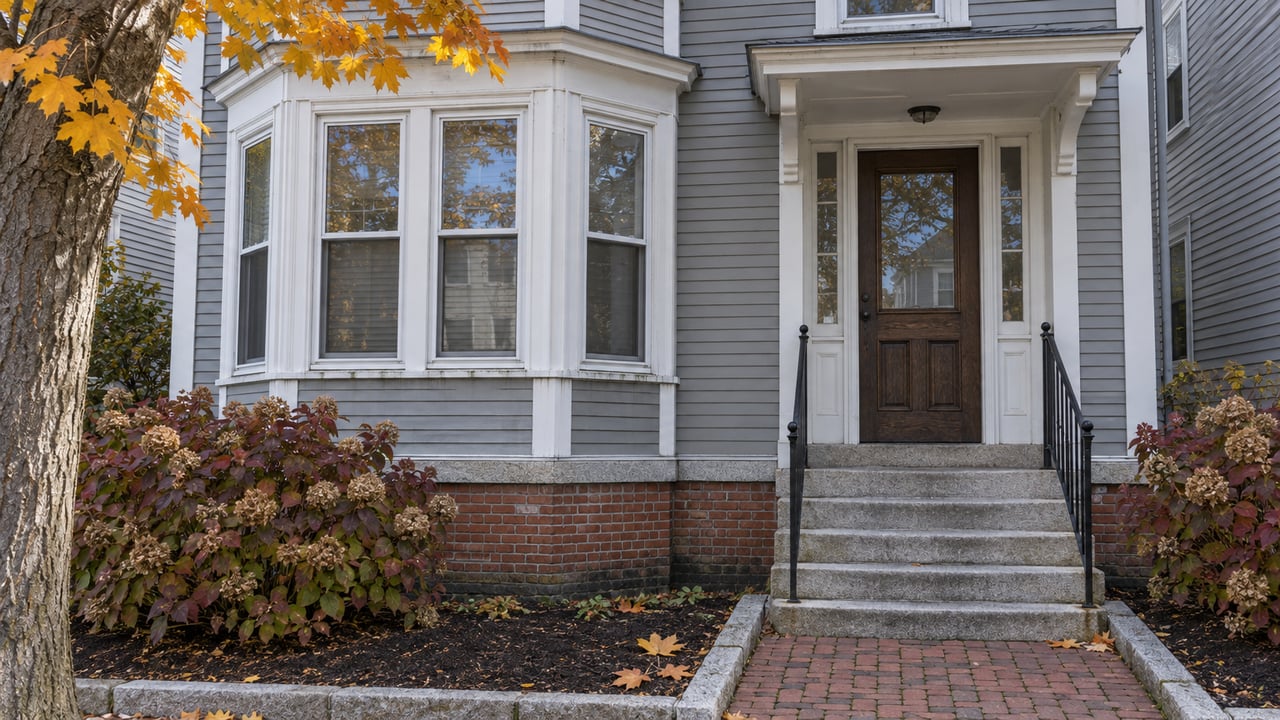
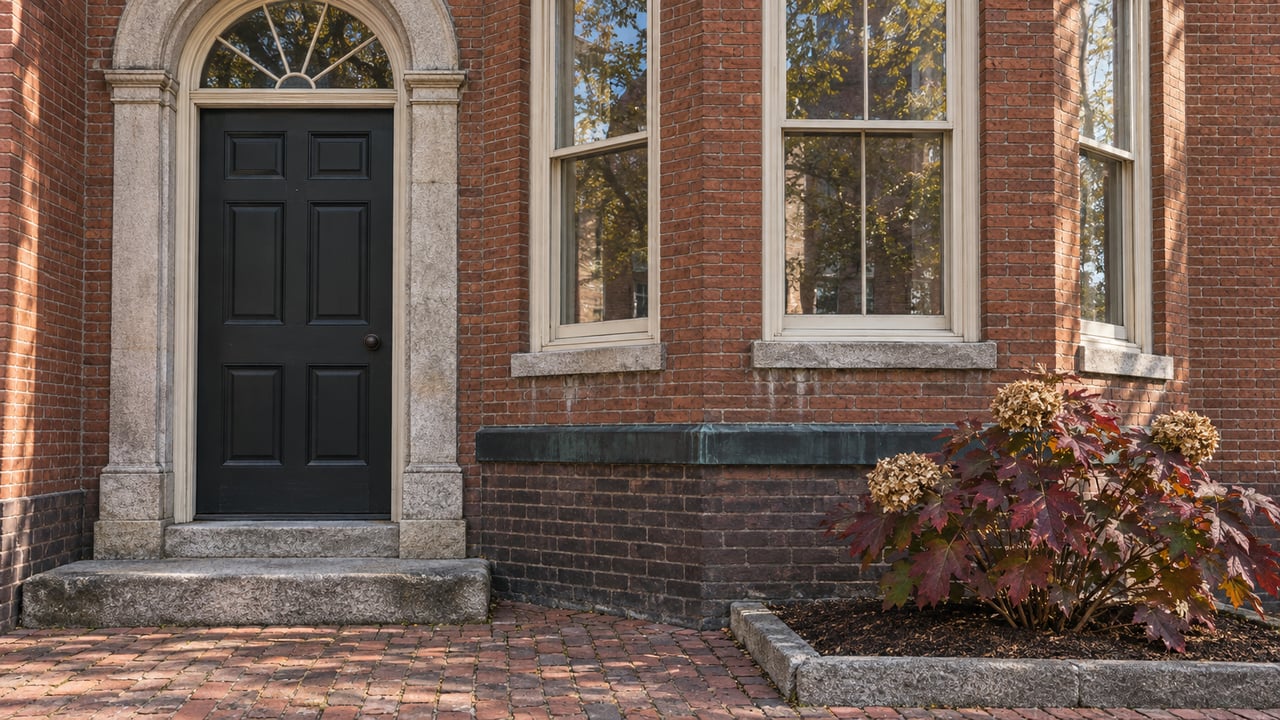
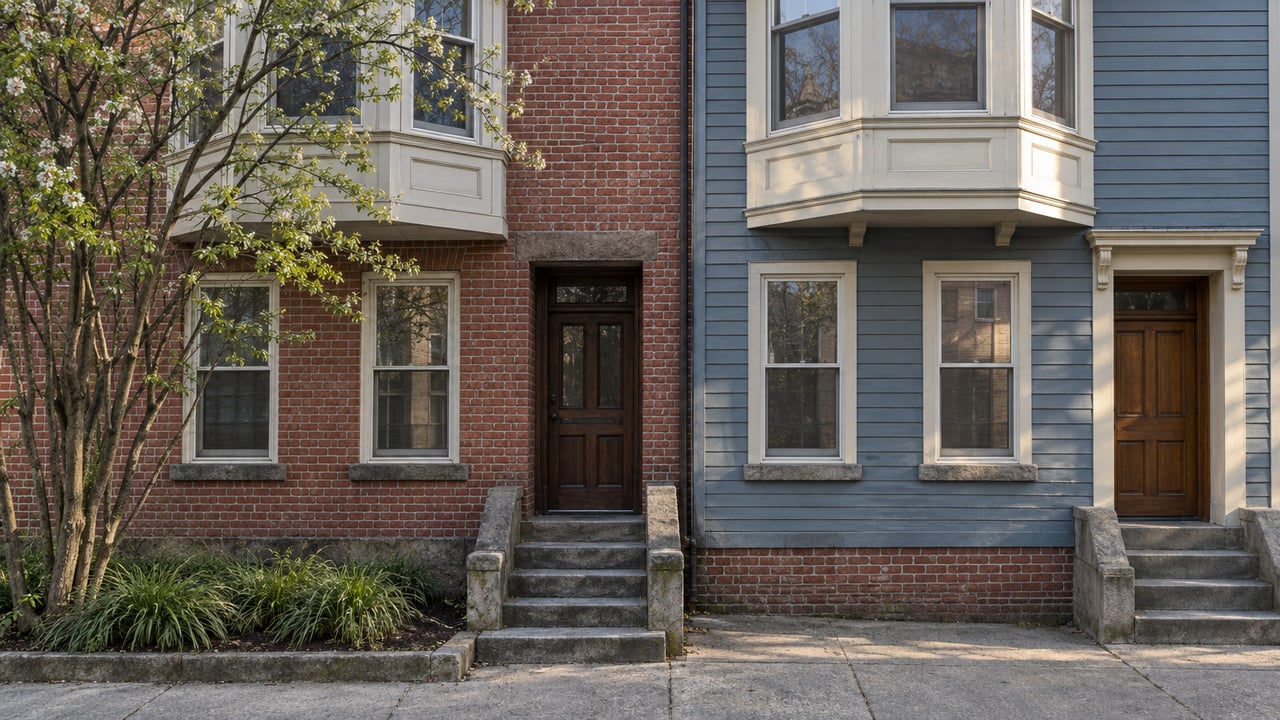
One of the biggest differences between Cambridge and Somerville is the kind of condo stock you are likely to tour. Cambridge’s multifamily design guidelines note that much of the city’s housing is multifamily, including triple-deckers, fourplexes, and larger apartment or condominium communities. The city also highlights older multifamily buildings dating back to the mid-19th century, along with many 5- and 6-story brick apartment buildings.
Cambridge may also continue to evolve over time. The city’s 2025 multifamily zoning update allows multifamily housing citywide, with projects up to four stories by right and up to six stories when required affordable housing is included. For condo buyers, that matters because it may influence future housing supply and the mix of buildings that come to market.
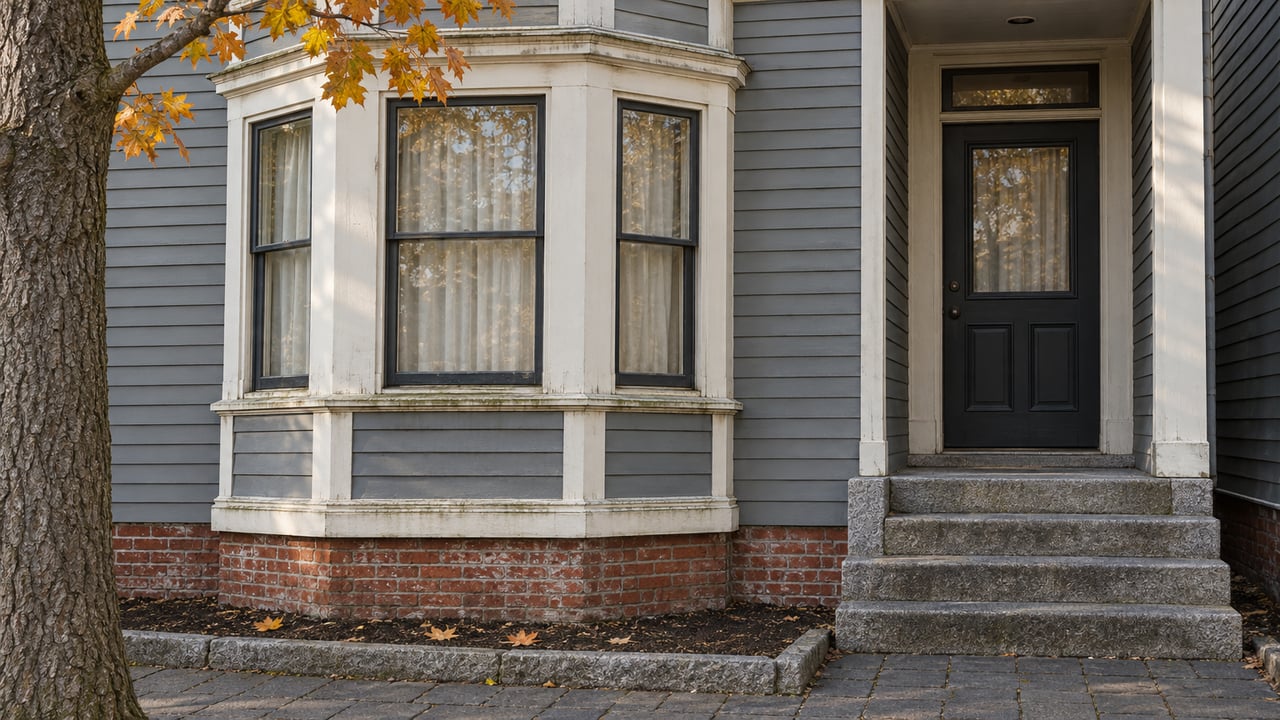
Somerville offers a different feel. The city’s comprehensive plan describes housing that ranges from apartment buildings to triple-deckers, single-family homes, and condominiums. Somerville also has a formal condo conversion process, and the city notes that the Condo Conversion Review Board oversees those rules.
How the Building Stock Feels in Real Life
In practical terms, Cambridge often gives you a mix of older multifamily homes and larger condo communities, especially near major employment centers and transit. Somerville more often brings the classic Greater Boston pattern of converted triple-deckers and smaller condo associations, along with newer transit-oriented buildings near the Green Line Extension corridor.
If you want a larger building with more units, an elevator, or a more institutional association structure, Cambridge may offer more of those options in certain areas. If you prefer a smaller association in a classic multifamily home, Somerville may feel especially familiar and appealing.
Transit and Daily Life
Transit access is a major reason buyers compare these two cities so closely. Cambridge has broad transit coverage, and the city says that most of Cambridge is a short walk from transit. Its transportation overview highlights five Red Line stations, Lechmere on the Green Line, commuter rail, 26 MBTA bus routes, and multiple shuttles.
For buyers focused on a Red Line-centered lifestyle, Cambridge is hard to ignore. The city notes that Harvard Square Station is one of the busiest on the line, and its Harvard Square overview describes the area as a major destination with restaurants, shops, and cultural offerings. Cambridge also points to Central Square as a hub for restaurants, bars, clubs, music, and nightlife.
Somerville has strong transit access too, but the pattern is a little different. The city’s mobility page notes access to the Red Line, Orange Line, and Green Line, along with the Community Path stretching about 3.2 miles from the Cambridge line to Lechmere. Davis Square remains one of the city’s most established Red Line anchors, while Porter Square sits just outside Somerville’s boundary.
The Green Line Extension changed the transit conversation in a big way. The MBTA’s Green Line Extension project description states that the project added seven new stations, including service to Union Square and stations along the Medford branch through East Somerville, Gilman Square, Magoun Square, Ball Square, and Medford/Tufts.
Which City Fits Your Commute?
If your daily routine revolves around easy Red Line access, Cambridge often has the stronger citywide edge. If you want a mix of Red Line access, Green Line Extension service, and a more square-by-square transit map, Somerville may offer more flexibility depending on where you buy.
This is why your actual condo address matters so much. A unit that is technically in the less expensive city may not feel like better value if the walk to your preferred station is longer, noisier, or less direct.
Lifestyle and Neighborhood Feel
Beyond pricing and transit, the buyer experience often comes down to how each city feels day to day. Cambridge tends to offer a more concentrated mix of major job centers, established commercial districts, and high-demand transit nodes. Buyers drawn to Harvard Square, Central Square, or Kendall-adjacent living often value that density and convenience.
Somerville tends to feel more neighborhood-driven from square to square. The city describes Union Square as a vibrant area with restaurants, shops, and nightlife, and Davis Square is widely recognized as a food, entertainment, and transit destination. For many condo buyers, that creates a more local, block-by-block decision process.
Neither style is better across the board. It depends on whether you want a condo search centered on a major urban node or one built around a specific neighborhood rhythm.
Appreciation and Long-Term Value
Many buyers ask which city has better appreciation potential, but there is no one-size-fits-all answer. Cambridge has the stronger current price floor, supported by its higher median sale price and higher price per square foot. It also benefits from durable demand drivers tied to transit, universities, and job centers.
At the same time, Cambridge’s zoning changes could gradually shape future supply. That does not guarantee slower or faster appreciation, but it is part of the long-term picture buyers should keep in mind.
Somerville’s long-term story is more connected to transit expansion and evolving neighborhood access. Zillow’s March 31, 2026 snapshot shows Cambridge’s average home value at $1,041,569, down 1.5% year over year, while Somerville’s average home value was $940,239, up 0.8% year over year. Zillow also reports homes going pending in about 22 days in Cambridge compared with 13 days in Somerville, suggesting active buyer demand in Somerville’s market.
The Smarter Way to Compare Value
The best way to think about long-term value is not Cambridge versus Somerville in the abstract. It is building versus building, block versus block, and lifestyle fit versus compromise.
When condo list prices are this close, buyers should pay close attention to:
- Building age and condition
- Association size and management structure
- Condo fees
- Parking availability
- Noise exposure
- Floor plan efficiency
- Exact distance to transit
- Future resale appeal within that micro-location
Those details can shape your ownership experience just as much as the city name on the listing.
Which City May Suit You Best?
Cambridge may be the better fit if you want:
- Stronger Red Line-centered access
- A higher-priced market with a strong existing value base
- More options in larger multifamily or condo communities
- Easy access to major commercial districts like Harvard Square and Central Square
Somerville may be the better fit if you want:
- A neighborhood-by-neighborhood condo search
- More triple-decker conversions and smaller associations
- Access to both Red Line and Green Line Extension stations
- A market where transit expansion has added new buying opportunities
In the end, the right condo is often less about choosing a winner between Cambridge and Somerville and more about matching the right building to your budget, commute, and daily routine.
If you are comparing condos in Cambridge and Somerville, working with a local team can help you sort through pricing nuance, building differences, and tradeoffs that are easy to miss online. To talk through your options with a boutique, owner-led brokerage, connect with Urban Circle Realty.
FAQs
Is Cambridge always more expensive than Somerville for condo buyers?
- Not at the condo listing level. Current Redfin data shows a median condo listing price of $899,000 in both Cambridge and Somerville, though Cambridge is more expensive on broader sale-price and price-per-square-foot measures.
Which city is better for Red Line access for condo buyers?
- Cambridge generally offers stronger Red Line coverage citywide, while Somerville’s best-known Red Line access points are around Davis Square and nearby Porter Square just outside the city boundary.
Which city offers more variety in condo building types?
- Cambridge often includes a mix of older multifamily buildings and larger condo communities, while Somerville often features converted triple-deckers, smaller associations, and newer buildings near the Green Line Extension corridor.
Which city has a faster-moving condo market right now?
- Current data suggests Somerville is moving faster. Condo listings are averaging about 20 days on market in Somerville versus about 27 days in Cambridge, and Zillow also shows homes pending faster in Somerville.
Which city has better long-term appreciation potential for condos?
- Neither city guarantees a stronger outcome. Cambridge has the higher current pricing baseline, while Somerville has a strong transit-expansion story, so long-term value often depends more on the specific building and location than the city name alone.