Thinking about buying a condo conversion in Somerville? It can be a smart way to enter a high-demand market, but it also calls for closer review than many buyers expect. If a building was recently turned from a rental into condos, the paperwork, finances, and city approval timeline all matter. This guide will help you spot what to review before you commit, so you can move forward with more clarity and confidence. Let’s dive in.
Why Somerville condo conversions need extra review
In Massachusetts, condos are governed by recorded condo documents and Chapter 183A, rather than direct state oversight. In Somerville, condo conversions also fall under a local ordinance and review process through the Condominium Review Board, or CRB. That means your due diligence should cover both the recorded condo documents and the city conversion timeline.
This matters because a unit can look ready for sale while the conversion file is still incomplete. Somerville’s process includes different permit stages, including preliminary and final approvals, and permits are issued by unit. In the same building, one unit may be further along than another.
Confirm the conversion status first
Before you focus on finishes or layout, verify where the unit stands in the city’s process. Somerville’s rules make timing important, especially when a building was occupied by tenants before conversion. The permit trail and the recorded documents should make sense together.
Ask for the date the owner formed intent to convert, when notice was given to tenants, and the current CRB permit status. Somerville also states that marketing a unit as a condo before conditional approval is not allowed, and filing the master deed before tenant purchase rights are honored violates the ordinance.
Why timeline details matter
Somerville’s updated ordinance took effect October 1, 2025, and includes notice and waiting periods tied to tenant protections. Occupied units generally involve a one-year notice period. Vacant units that were previously rented may involve a two-year notice and waiting period before a final permit.
Certain protected tenants have longer timelines. Elderly, disabled, and low- to moderate-income tenants receive five years of notice plus higher relocation payments if they vacate within the notice period. If a conversion is recent or still underway, ask whether any tenant purchase rights, relocation obligations, or hearing notices remain unresolved.
Read the master deed carefully
The master deed is one of the most important documents in a condo conversion purchase. Under Massachusetts law, it should describe the land and building, each unit’s location and dimensions, common areas, limited common elements, percentage interests, use restrictions, the managing entity, and certified floor plans.
For you as a buyer, the key question is simple: what exactly are you buying, and what is shared? The master deed should help you understand whether a deck, parking area, storage space, yard area, or hallway is part of your unit, a limited common element, or a general common area.
What to compare in the master deed
When you review the master deed, compare the paperwork to what you physically see. Pay special attention to:
- Unit boundaries
- Parking rights
- Storage areas
- Decks, porches, or patios
- Yard or outdoor-use rights
- Percentage interest in common areas
- Use restrictions
If something is shown in marketing materials but not supported by the recorded documents, that deserves a closer look.
Review the unit deed and all amendments
The unit deed sets out your ownership rights and percentage interest. In the first conveyance, floor plans are attached. This is another chance to confirm that the legal description matches the actual unit you toured.
Do not stop with the original documents. Amendments can change trustee names, management details, common expense allocations, common-area rights, or transfer restrictions. A clean review means looking at the full recorded package, not just the first set of papers.
Study the bylaws and rules
A small condo association can feel informal, but the bylaws still shape your day-to-day ownership experience. Massachusetts law requires the bylaws to address maintenance and repair of common areas, collection of common expenses, management authority, rule changes, and use restrictions.
This is where practical ownership questions often get answered. You may find rules about pets, rentals, move-in procedures, outdoor spaces, or owner use of shared systems. Some condo documents may also include a right of first refusal or other transfer restrictions, which can affect future resale or leasing plans.
Key bylaw questions to ask
As you review the governing documents, look for answers to these questions:
- Who repairs and pays for roof, siding, windows, and shared systems?
- How are common expenses divided?
- Can the association impose fines or late fees?
- Are there rental restrictions?
- Are there approval requirements for sales or leases?
- How are rules changed?
- Who manages the building today?
Review finances like an owner
In a condo conversion, the monthly condo fee is only part of the picture. Massachusetts law requires common expenses to be assessed at least annually based on an annual budget, and owners are personally liable for their share of common expenses and related charges.
That is why you should ask for the current budget, year-to-date financials, reserve balance, delinquency report, meeting minutes, and insurance declarations. These records can show whether the association is operating in a steady, organized way or if bigger costs may be coming.
Financial items that deserve close attention
A few areas matter more than most:
- Reserve fund balance: Massachusetts requires an adequate replacement reserve fund separate from operating funds.
- Special assessments: Ask whether any are planned, discussed, or recently imposed.
- Delinquencies: A pattern of unpaid common charges can strain a small association.
- Budget realism: Confirm whether the condo fee appears to match actual building needs.
- Recent minutes: Meeting notes can reveal repair discussions, owner disputes, or pending projects.
In a newly converted building, a low condo fee can look attractive at first glance. But if reserves are thin and major systems are aging, you may want a fuller picture of future costs.
Verify insurance coverage
Insurance is another item buyers sometimes review too late. Massachusetts requires current insurance policies to be kept as part of the condo records. For buildings with more than 10 units, the law also requires blanket fidelity insurance covering dishonest acts by people handling organizational funds.
Even in smaller converted buildings, ask what the association actually carries. You will want to understand property coverage, liability coverage, deductibles, and any exclusions that could affect owners if there is a claim.
Check the building’s physical condition
A fresh kitchen and staged living room can distract from the systems that matter most. In Somerville, the CRB rules require a property-condition report by an independent licensed engineer or architect for the final hearing. That report should describe the condition of structural components and major mechanical systems, along with approximate ages, major repairs, and expected useful life.
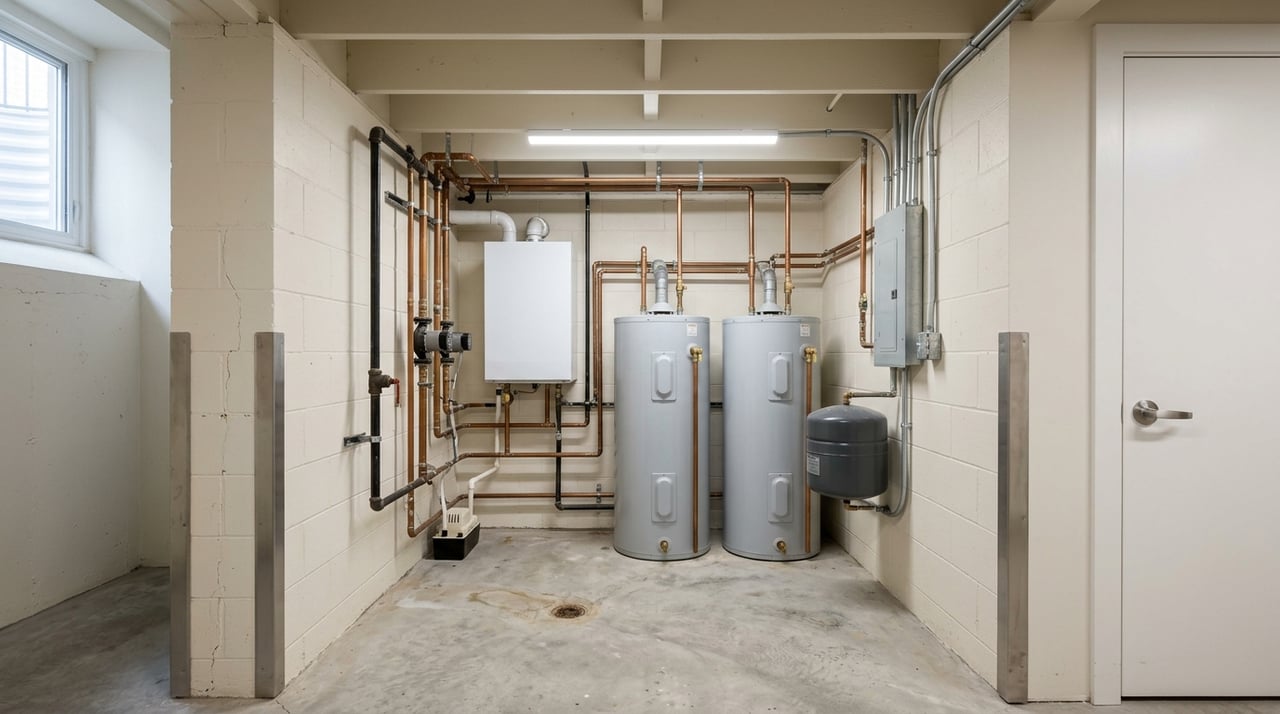
For buyers, that points directly to where you should focus. In many Somerville multifamily buildings, the real questions are not cosmetic. They are about the roof, structure, foundation, façade, heating, plumbing, electrical, drainage, windows, and any systems shared among units.
Physical-condition checklist
Ask for and review:
- The property-condition report
- Roof age and repair history
- Heating system details
- Plumbing and electrical updates
- Foundation or drainage concerns
- Window condition and replacement history
- Shared system responsibilities
- Evidence of major repairs or deferred maintenance
Review permits and final sign-offs
If renovation work was done as part of the conversion, ask for the permit history and final sign-offs. Somerville says building permits are required before work begins for construction, reconstruction, alterations, repairs, or demolition. In many cases, a certificate of occupancy is also required.
The city also notes that major renovations must comply with the current stretch energy code and the 10th edition building code. For you, the practical takeaway is simple: if the building was upgraded for resale, confirm the work was properly permitted and closed out.
Do not skip the home inspection
Even if the unit looks move-in ready, a licensed home inspection still matters. Massachusetts now requires a separate disclosure of your home inspection right before or at the first purchase contract, and you must have a reasonable opportunity to obtain and review an inspection and withdraw based on the results.
In a condo conversion, the inspection can help you identify issues that are easy to miss during a showing. It can also help you understand how unit-level concerns connect to shared building systems.
Ask whether tenant-related obligations remain
If the building was recently converted from rental housing, ask direct questions about any open tenant-related obligations. Somerville’s materials explain that tenants may have notice periods, purchase rights, relocation protections, and protections tied to renovation timing and notice.
This does not mean every conversion has a problem. It does mean unresolved issues can affect timing, documentation, and your comfort level as a buyer. A clear file should show that the proper steps were followed.
Build the right review team
Condo conversions involve legal, financial, and physical due diligence. Massachusetts says condo-law questions are legal in nature and should be directed to an attorney with real estate experience, including condominium law. Your attorney should review the master deed, bylaws, amendments, and closing documents before you move ahead.
Your real estate agent also plays a practical role by helping you compare the recorded documents to the property itself, spot missing items early, and keep the transaction moving with fewer surprises. In Somerville’s conversion market, good guidance can save you time and help you ask better questions.
If you are weighing a Somerville condo conversion, a careful review up front can make the difference between a confident purchase and an expensive surprise later. Urban Circle Realty can help you evaluate the details, understand what to ask for, and navigate the process with clear, owner-led guidance.
FAQs
What should buyers review before buying a condo conversion in Somerville?
- You should review the unit’s CRB permit status, master deed, unit deed, bylaws, amendments, financial records, insurance, property-condition report, permit history, and inspection results.
Why does condo conversion permit status matter in Somerville?
- Permit status matters because Somerville issues permits by unit and a building can appear to be a condo conversion even if the city file is still incomplete.
What does the master deed show in a Somerville condo conversion?
- The master deed shows the legal description of the land and building, unit boundaries, common areas, limited common elements, percentage interests, use restrictions, and management structure.
What financial documents should buyers request for a Somerville condo conversion?
- You should ask for the annual budget, year-to-date financials, reserve balance, delinquency report, meeting minutes, contracts, and insurance declarations.
Should buyers get a home inspection for a Somerville condo conversion?
- Yes. A licensed home inspection is still important because converted condos can look updated on the surface while underlying structural or shared-system issues remain.
Why should buyers ask about past tenants in a Somerville condo conversion?
- You should ask because recent conversions may still involve tenant notice periods, purchase rights, relocation obligations, or other city-required steps that affect the unit’s timeline and documentation.